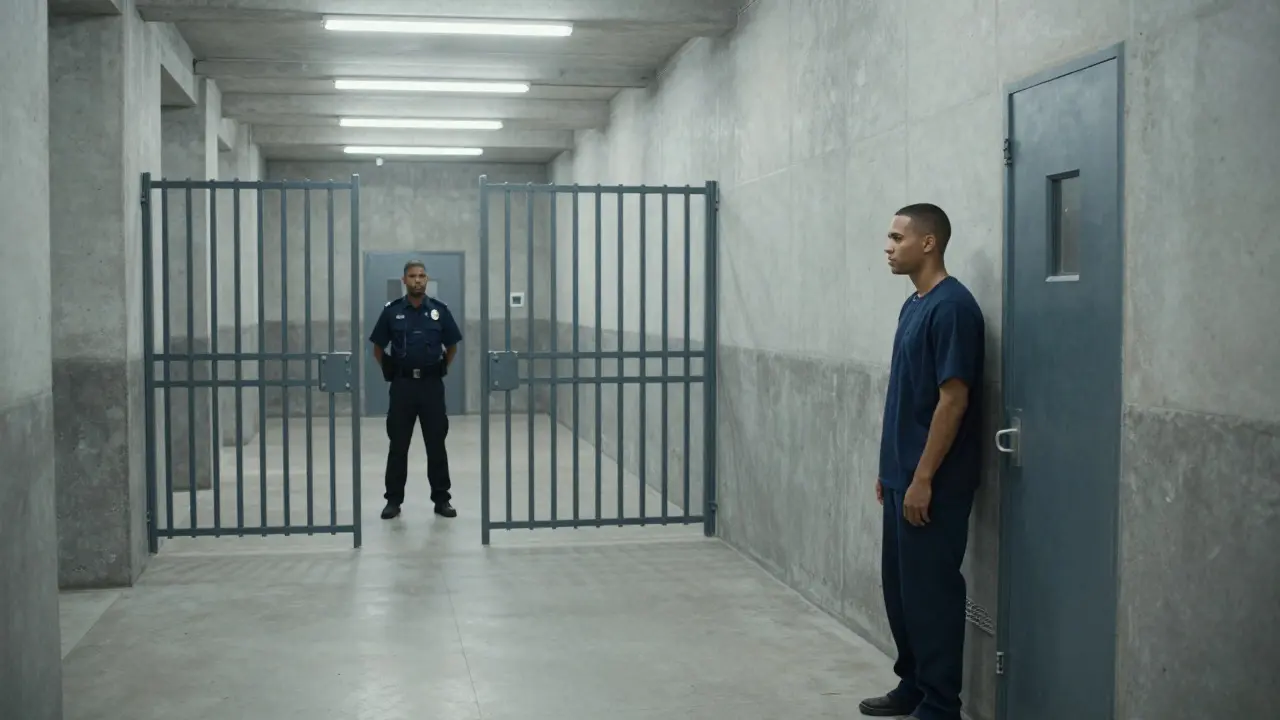
Most people assume that if a prison wants to fix its inmates, it just needs to build more classrooms or hire better counselors. But the reality is messier. The biggest hurdles aren't usually about lack of good intentions; they are structural walls built into the very design of how corrections systems operate. When we talk about institutional barriers, we are looking at the rigid hierarchies, budget constraints, and cultural resistances that keep effective programs from reaching the people who need them most.
You might wonder why these barriers persist despite decades of research showing that rehabilitation works. It’s because prisons are designed for containment first and care second. Every dollar spent on therapy or vocational training is often seen as a cost rather than an investment. This mindset creates a cycle where staff are overworked, programs are underfunded, and inmates are left with few real opportunities to change before they walk back out into society.
The Structural Roots of Resistance
To understand how to overcome these obstacles, you first have to see them clearly. The primary barrier is often what experts call "security-first" culture. In many facilities, any activity that moves inmates from their cells is viewed as a potential risk. If a classroom gets too loud, it’s shut down. If a vocational workshop requires tools, those tools are restricted to prevent escapes or fights. These safety measures make sense in isolation, but when applied broadly, they strangle educational and therapeutic progress.
Then there is the staffing crisis. Correctional officers (COs) often work double shifts with high stress levels. They are expected to maintain order, manage medical needs, and oversee programs, all while dealing with chronic understaffing. When a CO is managing 40 inmates instead of the recommended 15, they don’t have time to mentor or support rehabilitation efforts. They are in survival mode. This isn’t a moral failing; it’s a resource failure.
- Security Protocols: Excessive restrictions on movement and materials limit program access.
- Staffing Ratios: High inmate-to-officer ratios reduce capacity for supportive interactions.
- Budget Allocation: Maintenance and security typically consume the majority of correctional budgets.
Why Traditional Programs Often Fail
Many prisons offer programs, but they rarely stick. Why? Because they are often fragmented. An inmate might get anger management counseling one week and a GED class the next, with no coordination between the two. There is no holistic plan. Furthermore, these programs are frequently voluntary but not incentivized. If completing a course doesn’t lead to tangible benefits like reduced sentence time or job placement, participation rates drop significantly.
Consider the case of vocational training. A prison might teach welding, which is a solid skill. But if the local labor market outside the prison doesn’t value that specific certification, or if the transportation system doesn’t allow graduates to attend interviews, the program is essentially decorative. The barrier here isn’t the teaching; it’s the disconnect between the prison environment and the outside world.
| Barrier Type | Specific Example | Impact on Outcomes |
|---|---|---|
| Cultural Resistance | Viewing education as "soft" or unnecessary | Low funding priority, limited hours |
| Logistical Constraints | Lack of secure transport for off-site classes | Reduced access to specialized training |
| Data Silos | No shared records between mental health and education teams | Inconsistent treatment plans |
| Policy Rigidity | Strict dress codes banning work-appropriate attire | Difficulty transitioning to professional roles |
Strategies to Break Through the Walls
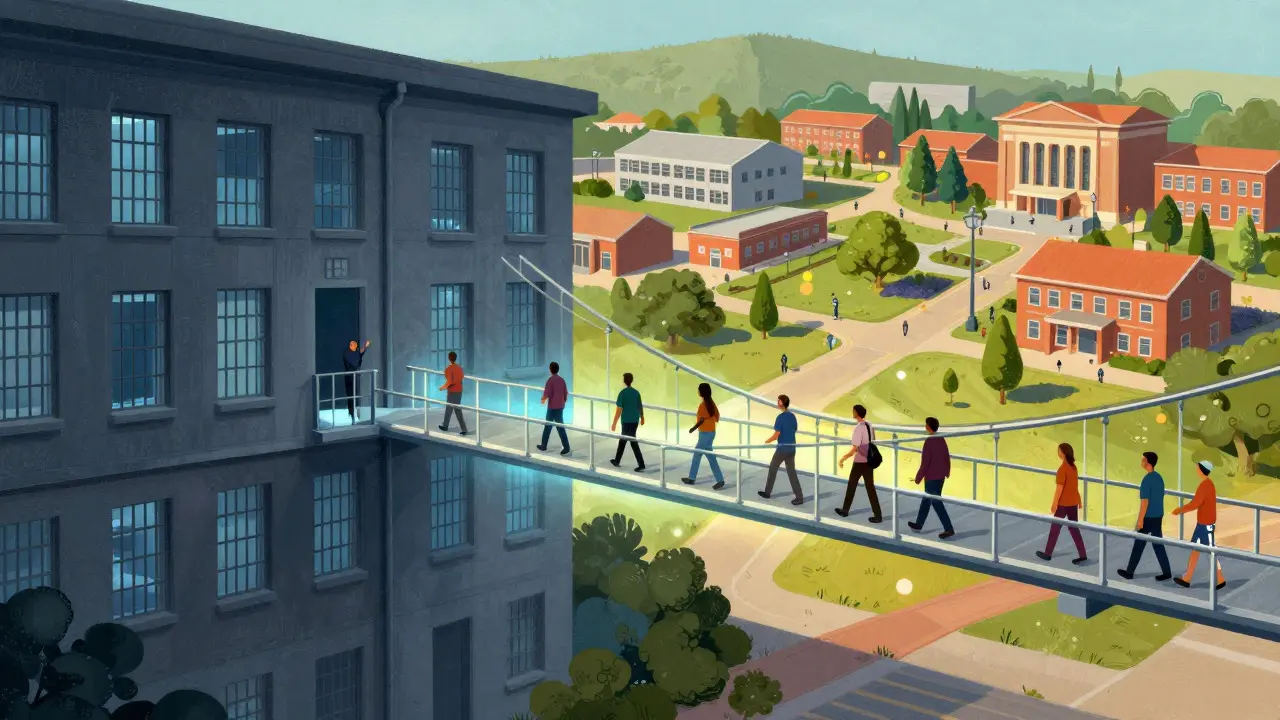
So, how do we actually fix this? It starts with changing the metric of success. Instead of measuring a prison’s performance by how few escapes occur, we should also measure it by recidivism rates and post-release employment. When data shows that every dollar spent on a well-designed rehab program saves five dollars in future incarceration costs, the argument becomes financial, not just moral. This shift in perspective is crucial for gaining buy-in from administrators and taxpayers alike.
One effective strategy is the integration of technology. Digital learning platforms can reach inmates who are locked down or in solitary confinement. Unlike physical classrooms, digital modules can be paused, resumed, and tracked without requiring a CO to be present for every minute. This flexibility allows for personalized pacing, which is essential for adult learners who may have learning disabilities or trauma histories.
- Implement Data-Driven Decision Making: Use analytics to track which programs correlate with lower reoffending rates and allocate resources accordingly.
- Partner with Local Workforce Boards: Align prison curricula with actual local job openings to ensure skills are relevant upon release.
- Train Staff as Facilitators: Move beyond security-only training to include basic conflict resolution and motivational interviewing techniques.
The Role of Community Partnerships
Prisons exist in communities, yet they often feel isolated from them. Overcoming institutional barriers requires opening the gates-metaphorically and literally. Non-profit organizations, local businesses, and universities can fill gaps that state budgets cannot. For example, a local tech company might sponsor a coding lab inside a facility, providing both equipment and mentorship. This not only provides skills but also builds a network of supporters who will advocate for the inmate’s release and hiring.
These partnerships also help humanize the process. When a business owner visits a prison to interview candidates, they start seeing individuals rather than numbers. This social capital is invaluable during the reentry phase. Studies have consistently shown that having even one stable connection in the community reduces the likelihood of returning to crime by up to 30%. The barrier here was social stigma; the solution is direct engagement.

Measuring Success Beyond the Cell Door
How do we know if we’ve succeeded? We look at long-term outcomes, not just short-term compliance. Did the inmate stay employed for six months after release? Did they avoid new arrests? These metrics require collaboration between correctional departments, probation offices, and employers. Currently, these agencies often don’t share data due to privacy concerns or bureaucratic silos. Breaking these silos is a technical challenge, but it’s necessary for accountability.
We must also consider the quality of life inside. An inmate who feels respected and heard is more likely to engage with programs. Simple changes, like allowing family visitation without excessive searches or permitting personal hygiene products, contribute to a stable environment where learning can happen. Stability is the foundation of rehabilitation. Without it, even the best curriculum will fail.
Frequently Asked Questions
What is the most significant barrier to prison rehabilitation?
The most significant barrier is often the "security-first" culture that prioritizes containment over development. This leads to restrictive policies, understaffing, and a lack of focus on long-term behavioral change, making it difficult for programs to function effectively.
How does technology help overcome these barriers?
Technology enables flexible learning through digital platforms that can be accessed regardless of lockdown status. It allows for personalized pacing, remote instruction, and better tracking of progress, reducing the logistical burden on correctional staff.
Why are community partnerships important for reentry?
Community partnerships provide real-world connections, such as job placements and mentorship. They help bridge the gap between the prison environment and society, reducing stigma and offering stable support networks that are critical for preventing recidivism.
What role does staff training play in effective rehabilitation?
Staff are the frontline implementers of any program. Training them in soft skills, such as conflict resolution and motivational interviewing, helps create a supportive environment. Well-trained staff can de-escalate tensions and encourage participation, turning security personnel into facilitators of change.
How can data improve prison rehabilitation efforts?
Data allows administrators to identify which programs actually work. By tracking outcomes like recidivism and employment rates, facilities can allocate resources to proven methods rather than relying on tradition or anecdote. It transforms rehabilitation from a guesswork exercise into an evidence-based practice.