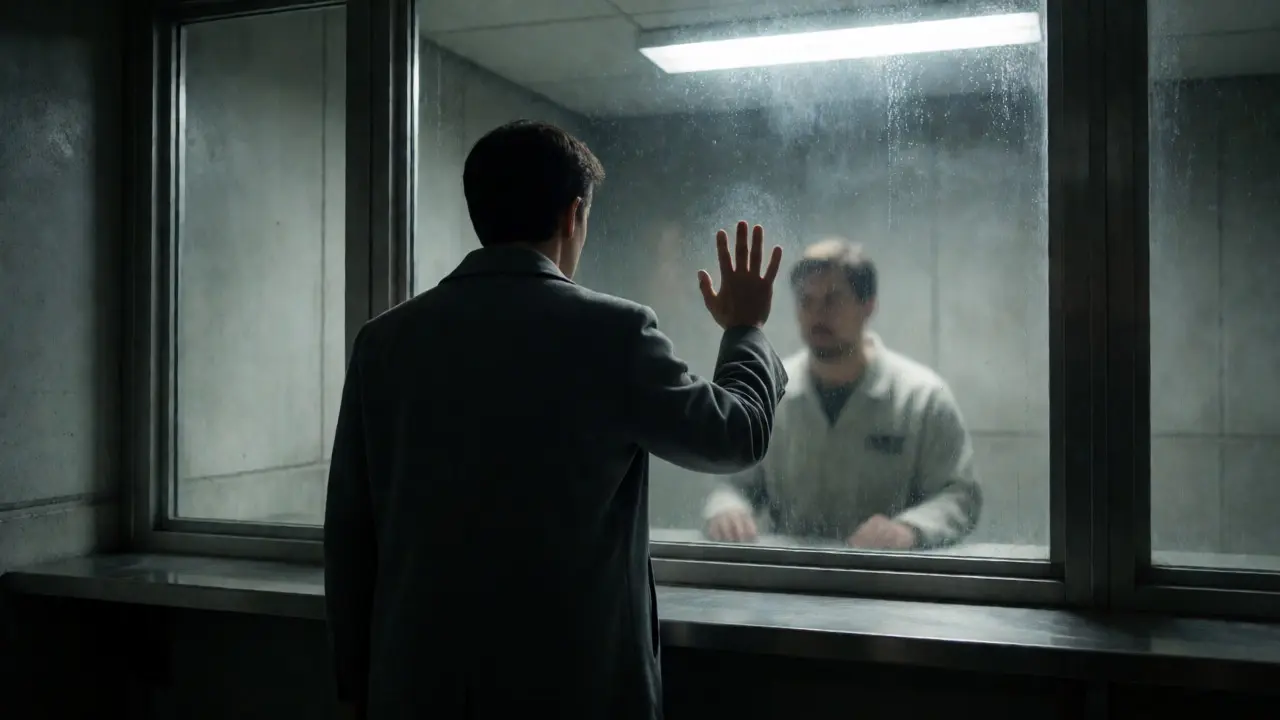
You show up at the prison gate with a printed form, a valid ID, and maybe a bag of snacks you’re not even sure they’ll let through. Then the guard tells you the visit is non-contact. No hugs. No hand-holding. Just glass or video screens separating you from someone you haven’t seen in months. It feels cold, bureaucratic, and frankly, confusing if this is your first time navigating the system. But understanding how weekly non-contact visits work-specifically the time limits and scheduling quirks-can save you hours of waiting and heartache.
Non-contact visits are standard in many correctional facilities, especially for new inmates, those under disciplinary review, or when security protocols tighten due to staffing shortages or health concerns. Unlike contact visits where families can share a meal or sit close together, these sessions are strictly regulated. The core issue isn’t just that you can’t touch; it’s that the clock is ticking on a very specific schedule, and missing it means losing your slot for the week. Here’s what actually happens behind the scenes and how to make the most of your limited window.
What Exactly Is a Non-Contact Visit?
A non-contact visit is a supervised interaction between an incarcerated person and their visitors where physical touch is prohibited by institutional policy. This restriction usually applies during initial intake periods (often the first 30-90 days), after disciplinary infractions, or in high-security units. In some states, like Oregon, certain minimum-security camps allow contact visits sooner, but state prisons often default to non-contact until an inmate earns privileges.
The setup varies. Some facilities use glass partitions similar to attorney-client rooms. Others rely on video kiosks or tablets where you talk via microphone and camera. The goal remains the same: maintain security while allowing communication. Because there’s no physical barrier to manage other than distance, these visits are often faster-paced and more rigidly timed than contact visits.
Standard Time Limits You Need to Know
Time is money, but in prison, time is access. Most facilities allocate fixed slots for non-contact visits. While policies vary by jurisdiction, here are the common benchmarks:
- Duration: Typically 15 to 30 minutes per session. Thirty minutes is becoming the norm in larger state systems because it allows enough time for meaningful conversation without overwhelming staff resources.
- Frequency: As the title suggests, "weekly" implies one visit per calendar week. However, "week" might mean Monday-Sunday or Sunday-Saturday depending on the institution’s fiscal or operational cycle.
- Buffer Zones: You rarely get exactly 30 minutes. Expect 5-10 minutes of buffer time before and after for entry processing, ID checks, and clearing the room. If your slot starts at 10:00 AM, don’t plan to leave at 10:30 sharp; you might be stuck in line until 10:45.
Some prisons offer "extended" non-contact slots for legal consultations or special circumstances, but these require prior approval and often come with higher scrutiny. Don’t assume you can stay longer just because the queue is short. Guards enforce timers strictly to keep the rotation moving.
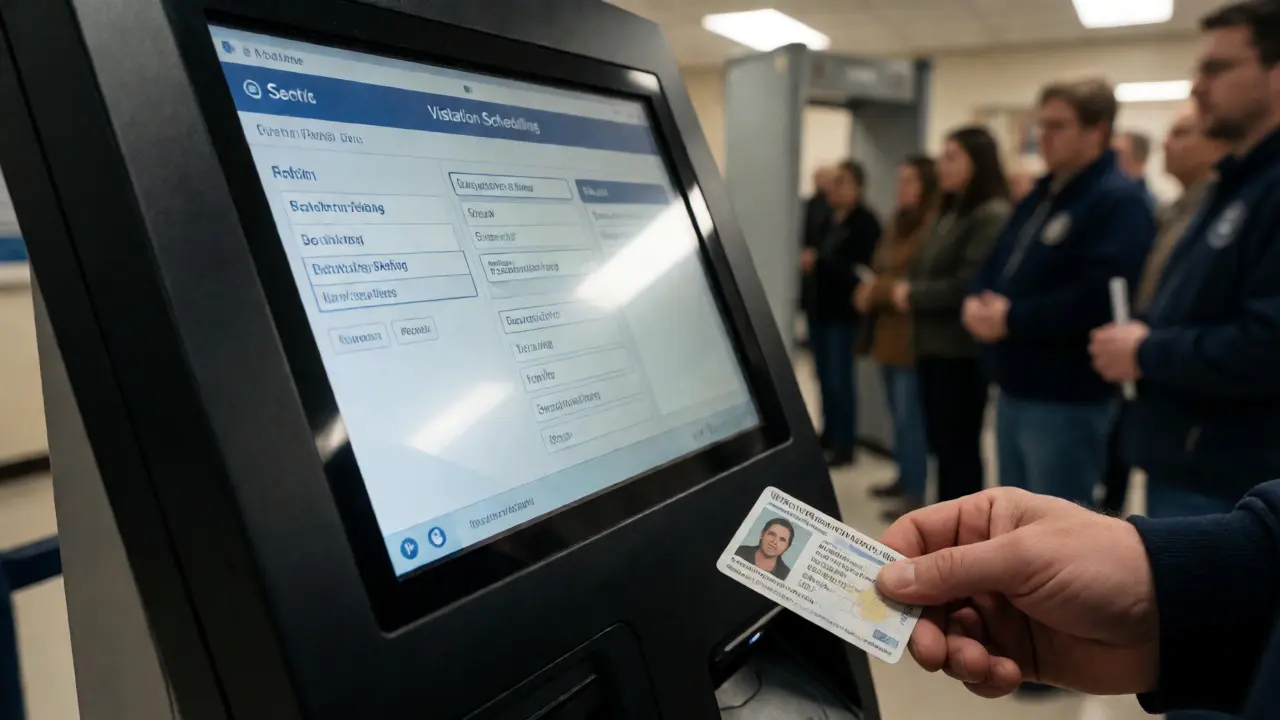
Scheduling Systems: How to Book Your Slot
Gone are the days of showing up and hoping for the best. Modern prison visitation relies heavily on digital booking systems. Two major platforms dominate the US landscape: Securus Technologies and GTL (Global Tel Link). These companies provide the tablet and kiosk infrastructure used in most federal and state prisons.
To schedule a visit, you typically need to create an account on the provider’s website or app. You’ll enter your full name, date of birth, and the inmate’s registration number. Once linked, you see available slots. Here’s where people trip up:
- Advance Booking Windows: Slots open 7-14 days in advance. Popular times (evenings, weekends) vanish instantly. Set alarms.
- Cancellation Policies: If you cancel less than 24 hours before the slot, you might lose future booking privileges for a month. Always cancel early if plans change.
- Multiple Visitors: Most slots allow two adults and children. Adding a third adult often requires a separate reservation or leads to denial at the gate.
If your facility uses paper-based scheduling (rare now, but still exists in rural jails), you call a specific number during business hours. Have your inmate’s ID ready. Note the representative’s name and reference number. Paper schedules are prone to errors, so follow up via mail or email if possible.
| Feature | Federal Bureau of Prisons (BOP) | State Prisons (e.g., Oregon DOC) | Local Jails |
|---|---|---|---|
| Typical Duration | 15-30 mins | 30 mins | 15-20 mins |
| Booking Method | Digital (Securus/GTL) | Digital or Phone | Phone or Walk-in |
| ID Requirement | Government-Issued Photo ID | Government-Issued Photo ID | Photo ID + Proof of Address |
| Guest Limit | 4 visitors per inmate | 2 adults + children | Varies by capacity |
| Contact Allowed | No (unless privilege earned) | No (initial phase) | Rarely |
Security Checks and What You Can Bring
Even though you won’t touch the inmate, you’re still entering a secure zone. Security protocols for non-contact visits are identical to contact visits. You will walk through a metal detector. Your belongings go through an X-ray machine. Bags are inspected manually.
What can you bring? Usually, nothing except:
- Valid government-issued photo ID (driver’s license, passport, military ID).
- Keys (sometimes stored in lockers outside).
- Small amount of cash for vending machines (if allowed).
- Prescription medication in original bottles (declare it upfront).
Leave phones, wallets, purses, and jackets in your car or locker. Some facilities have lockers for $1-$2, but bring quarters. Clothing matters too. Avoid camouflage patterns, blue denim (in some states), and white tops (which can look like uniforms). Dress conservatively. If you violate dress code, you turn around, and your visit is forfeited.

Troubleshooting Common Scheduling Glitches
Technology fails. People forget. Things go wrong. Here’s how to handle the most frequent issues:
The "Slot Disappeared" Problem: Sometimes a slot shows as available online but gets blocked when you try to book. This often happens if another visitor booked it seconds before you, or if the system has a lag. Refresh the page. Try again in 10 minutes. If it persists, call the facility’s visitation coordinator directly.
Denied Entry Due to Name Mismatch: Your ID says "Jonathon Smith," but you registered as "John Smith." The database flags this as a mismatch. Fix this proactively. Update your profile to match your ID exactly. Include middle names if they appear on your license.
Inmate Transfer or Lockdown: If the inmate is transferred to another unit or the facility goes into lockdown, visits may be suspended without notice. Check the facility’s automated phone line or social media updates daily. Do not drive two hours only to find out the visit was canceled an hour ago.
Video Connection Issues: For video non-contact visits, poor internet connectivity on either end can cut the session short. Use a wired connection if possible. Position yourself near a router. Have a backup plan: if the video drops, ask if you can switch to a phone call immediately, though this may incur extra fees.
Maximizing Your Limited Time
Thirty minutes flies by. To make it count, prepare ahead. Write down three key topics you want to discuss. Keep them positive or practical. Discussing court dates, family news, or simple memories works well. Avoid heavy arguments or complex problems that require long explanations-you don’t have time for them.
Bring a notebook and pen (check if pens are allowed; many places ban ballpoints but allow pencils). Jot down notes during the visit so you remember details later. Ask direct questions. Instead of "How are you?", try "Did you get the book I sent?" or "Is your cellmate okay?" Specifics generate better responses.
Remember, the inmate sees you once a week. You are their lifeline. Be present. Put away distractions. Eye contact through glass still counts. Smile. Nod. Show engagement. Your energy affects theirs, which can impact their behavior and ultimately their path toward earning contact visit privileges.
Can I bring gifts to a non-contact visit?
Generally, no. Most facilities prohibit bringing physical items into the visiting area for non-contact sessions. Items must usually be mailed or purchased through the commissary system beforehand. Exceptions sometimes apply for religious texts or medical devices, but you must pre-approve these with the warden's office.
Do children count toward the visitor limit?
It depends on the facility. Many prisons define the limit as "two adults plus minor children." However, some strict systems count every person over age 18 as an adult against the cap. Always check the specific inmate handbook for the facility you are visiting.
What happens if I arrive late to my scheduled slot?
Policies vary, but most institutions have a grace period of 10-15 minutes. If you arrive after that window, you may be denied entry entirely for that day. There is usually no rescheduling option for lateness unless there was a documented emergency. Plan to arrive at least 30 minutes before your start time.
Are non-contact visits monitored?
Yes. All conversations are subject to monitoring and recording. Guards listen in, and audio/video is often recorded for security purposes. Do not discuss ongoing legal cases in detail unless using a privileged attorney-client channel, which is different from standard family visits.
Can I request a longer visit for a special occasion?
You can request an extended visit for birthdays, holidays, or release preparations, but approval is discretionary. Submit a written request to the visitation coordinator at least two weeks in advance. Approval rates are low during peak seasons, so do not count on it.