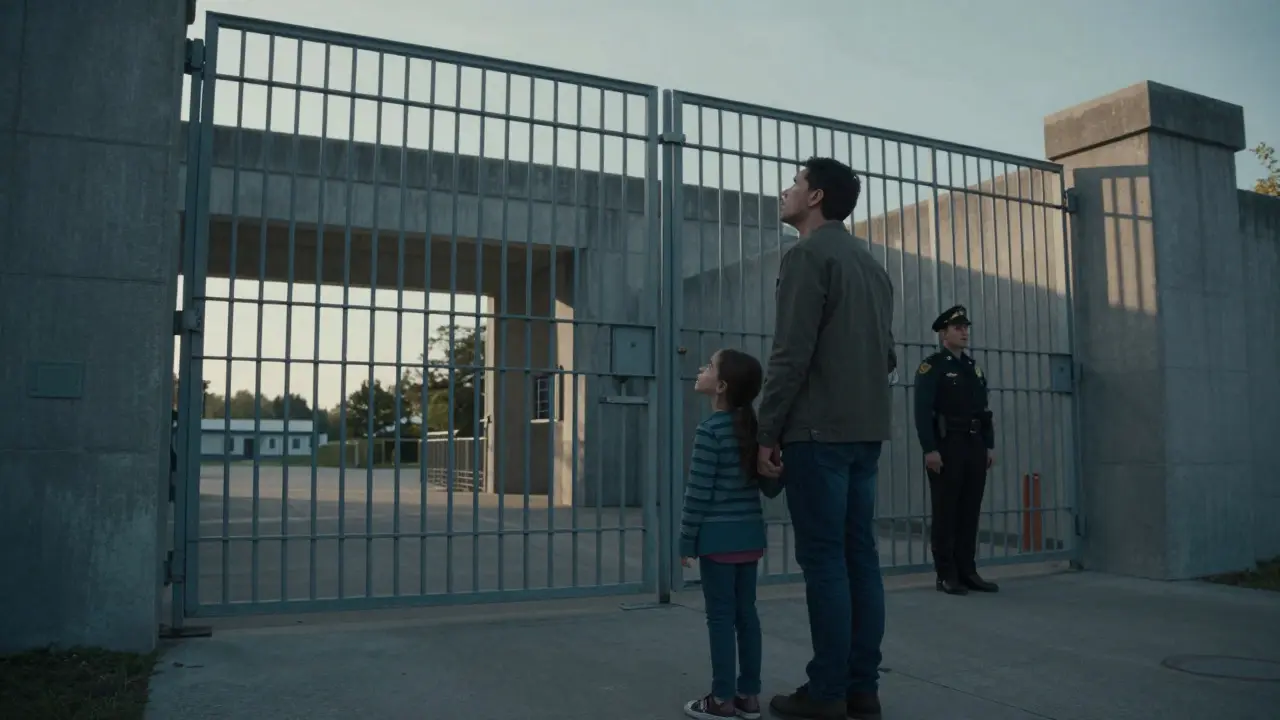
Imagine showing up to the prison gates at 8 AM, having waited three weeks for this slot, only to be told your son’s visitation privilege is suspended. No prior notice. No explanation. Just a closed door. For families of incarcerated individuals, this isn’t just an inconvenience; it’s a rupture in the primary thread holding family bonds together during incarceration. Yet, suspensions happen more often than you’d think, and they usually follow a pattern that, once understood, becomes much easier to navigate.
The core issue isn’t always about bad behavior. Sometimes it’s a paperwork error. Sometimes it’s a misinterpreted rule. And sometimes, it’s a systemic failure within the correctional facility itself. Understanding why these suspensions occur-and exactly how to fight them-is the difference between losing contact for months and restoring normalcy in days.
Why Visitation Gets Suspended: The Real Triggers
Correctional facilities operate on strict protocols, but human error and rigid enforcement create common pitfalls. When a visit is canceled or a privilege is stripped, it rarely happens in a vacuum. It’s usually tied to one of four specific triggers that administrators look for when deciding whether to allow entry.
- Schedule Conflicts and Capacity Limits: This is the most frequent cause of confusion. If a visitor arrives outside their designated time window-even by five minutes-some facilities automatically flag the attempt as a violation. Overcrowding also plays a role; if the visiting room hits capacity, late arrivals are turned away, which can sometimes be logged incorrectly as a "no-show" against the inmate’s record rather than the visitor’s.
- Documentation Errors: A missing ID, an expired license, or a name mismatch on the visitor list can lead to immediate rejection. In many states, if the visitor’s name doesn’t match the database exactly (including middle initials), the system may freeze the visit pending verification. This administrative delay often looks like a suspension to the family.
- Behavioral Infractions: These range from minor issues like wearing prohibited clothing (often items with logos or dark colors) to major ones like bringing contraband. Even non-contraband items, such as a large bag not scanned properly, can trigger a search that leads to a temporary ban if the officer feels the process was obstructed.
- Inmate-Specific Restrictions: Sometimes the problem isn’t the visitor, but the inmate. If the inmate has accumulated disciplinary points for talking back to staff or breaking unit rules, their visitation status might be downgraded from open visits to supervised phone calls only. Families often find out about this downgrade only when they show up to the gate.
Understanding the Difference Between Cancellation and Suspension
This distinction is critical because the remedy depends entirely on which one happened. A cancellation is usually logistical-a date change due to staffing or weather. A suspension is punitive or protective. It means the right to visit has been temporarily removed until certain conditions are met.
When a suspension occurs, it is typically recorded in the inmate’s disciplinary file. This record can linger longer than the actual ban. For example, a one-week suspension for arriving late might stay on the file for six months. During that period, any new infraction could trigger a longer ban. This cumulative effect is what catches families off guard. They fix the immediate issue, but don’t realize the underlying record is still active, setting them up for future trouble.
Step-by-Step Process for Challenging a Suspension
If you’ve been denied entry or received a letter stating a suspension, don’t just accept it. Here is the practical workflow used by successful advocates and families who have restored their access.
- Request the Written Notice Immediately: Verbal explanations from gate officers are unreliable. Ask for a copy of the incident report or the disciplinary memo. If they refuse, note the officer’s badge number and the time. You have a right to know the specific rule cited.
- Check the Facility’s Specific Policy Manual: Every state department of corrections (DOC) has a public policy manual. Look up the exact section referenced in your notice. Often, you’ll find that the penalty applied exceeds what the policy allows for that specific infraction. For instance, some manuals state that a first-time tardiness results in a warning, not a suspension.
- File an Internal Grievance: Most prisons have a grievance procedure. Fill out the form (usually available online or at the visitation desk). Be factual. Avoid emotional language. State: "On [Date], I was denied visitation citing [Reason]. However, per Policy Section [X], the penalty should be [Y]. Requesting reversal." Attach any proof you have, like photos of your ID or receipts proving you arrived on time.
- Contact Your Local Representative or Ombudsman: If the internal grievance stalls, reach out to your local state legislator’s office or the state’s Prisoner Ombudsman. These offices track patterns of abuse or error. They don’t always intervene directly, but their inquiry often speeds up the review process significantly.
- Consider Legal Aid for Systemic Issues: If the suspension seems arbitrary or based on discrimination, consult a civil rights attorney specializing in prisoner rights. Many offer free initial consultations. While full litigation is rare for simple visitation issues, the threat of a formal complaint often prompts a quick resolution.
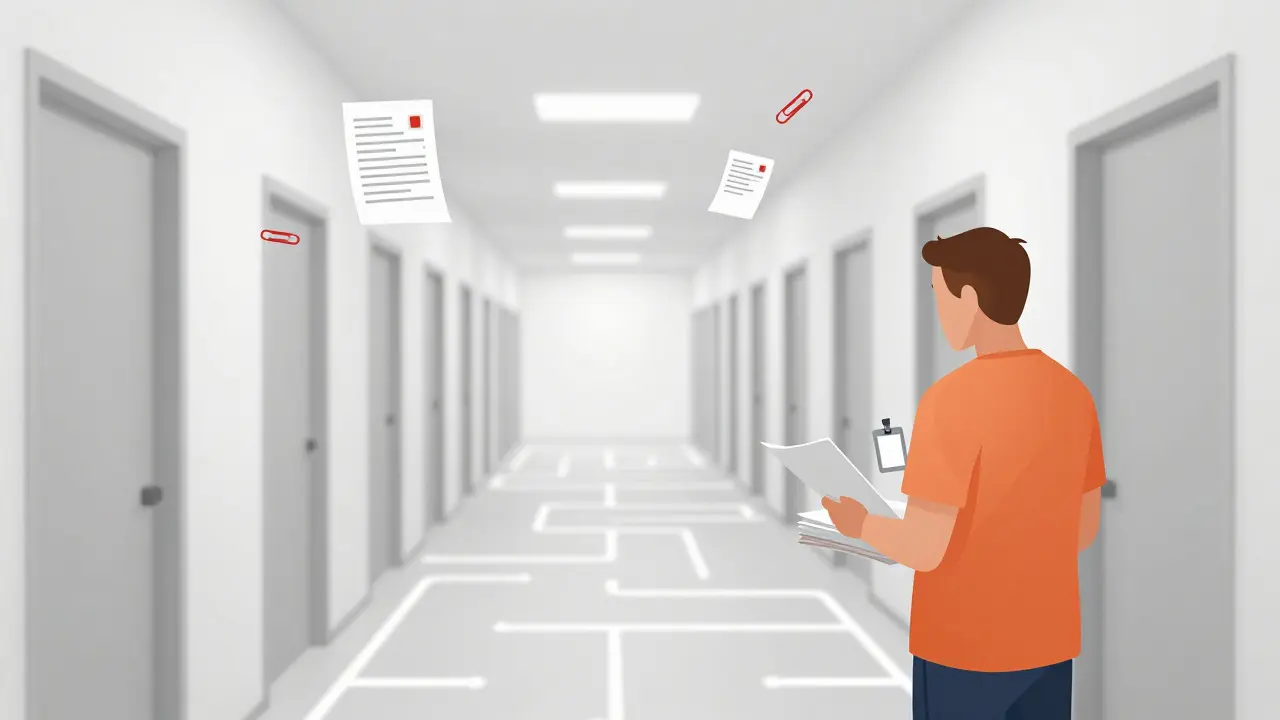
Common Pitfalls That Extend the Ban
Families often make mistakes that unintentionally prolong the suspension. Avoid these traps to keep your case moving forward.
- Arguing at the Gate: Confronting officers publicly rarely helps. It can lead to additional charges for disorderly conduct. Save your arguments for the written grievance process where facts matter more than volume.
- Ignoring Deadlines: Grievances usually have strict filing windows, often 7 to 14 days from the incident. Miss this window, and you lose the right to appeal internally. Mark your calendar the moment you receive notice.
- Assuming One Size Fits All: Federal prisons, state prisons, and county jails all have different rules. A tactic that works in a federal facility might fail in a local county jail. Always verify the specific jurisdiction’s rules before acting.
- Not Keeping Records: Keep a log of every call, email, and visit attempt. Note names, times, and outcomes. If you need to escalate later, this paper trail is your strongest evidence.
Comparison of Remedial Actions
Choosing the right path depends on the severity of the suspension and the reason behind it. The table below outlines the most effective strategies for different scenarios.
| Scenario | Primary Action | Secondary Action | Average Resolution Time |
|---|---|---|---|
| Administrative Error (ID/Name) | Correct records at front desk | Written confirmation request | Same day to 3 days |
| Misapplied Rule (Tardiness) | Internal Grievance | Cite specific policy section | 2 to 4 weeks |
| Disciplinary Points Accumulation | Review Disciplinary File | Request point reduction hearing | 4 to 8 weeks |
| Arbitrary/Discriminatory Denial | Legal Aid Consultation | Ombudsman Complaint | 1 to 3 months |

Preventive Measures for Future Visits
The best way to handle a suspension is to prevent it. Building a routine that minimizes risk ensures that when you do show up, the focus stays on reconnecting, not fighting bureaucracy.
- Arrive Early: Aim to be at the check-in counter 30 minutes before your scheduled slot. This buffer accounts for traffic, security lines, and unexpected delays.
- Verify Names Digitally: Before traveling, call the facility to confirm the visitor’s name matches their database character-for-character. Small discrepancies like hyphens or apostrophes can cause rejections.
- Dress According to Code: Check the facility’s dress code online. Avoid bright colors, logos, and heavy jewelry. Some facilities ban denim entirely. Wearing compliant clothing eliminates a common excuse for denial.
- Bring Minimal Items: Only bring what is explicitly allowed. Usually, this means no bags, or only clear plastic bags. Reducing items reduces search time and potential friction with officers.
Long-Term Impact on Family Bonds
While the administrative side of visitation suspensions is frustrating, the emotional toll is significant. Research consistently shows that regular family contact reduces recidivism rates and improves mental health outcomes for both inmates and visitors. When that contact is severed arbitrarily, it creates stress that can ripple through the entire family unit.
However, the act of advocating for these rights can also strengthen family resilience. Working together to solve a bureaucratic problem fosters communication and shared purpose. It reminds everyone involved that despite the walls, the connection remains intact. By understanding the system, you transform from a passive victim of policy into an active participant in your loved one’s journey toward reintegration.
How long does a typical visitation suspension last?
Most standard suspensions for minor infractions last between one week and one month. Major infractions, such as bringing contraband, can result in bans lasting six months to one year. Administrative errors are usually resolved within days once corrected.
Can children visit if a parent's privileges are suspended?
It depends on the facility. Some prisons suspend all family visits, while others allow child-only visits under stricter supervision. Always check the specific policy regarding minors, as age limits and guardian requirements vary by state.
What is the fastest way to get a suspension lifted?
The fastest method is correcting administrative errors immediately at the front desk. For rule-based suspensions, filing a detailed internal grievance citing specific policy sections is the most effective route. Escalating to legal aid is slower but necessary for arbitrary denials.
Do visitation suspensions affect parole eligibility?
Generally, no. Visitation suspensions are separate from disciplinary points that affect parole. However, if the suspension resulted from a disciplinary hearing, those points may impact parole timing. Check the inmate's disciplinary record to see if points were added.
Where can I find my state's prison visitation policies?
Most state Departments of Corrections publish their policy manuals on their official websites. Look for sections titled 'Visitor Rights' or 'Institutional Rules.' If online copies are outdated, call the facility's main line and ask for the current version of the visitor handbook.