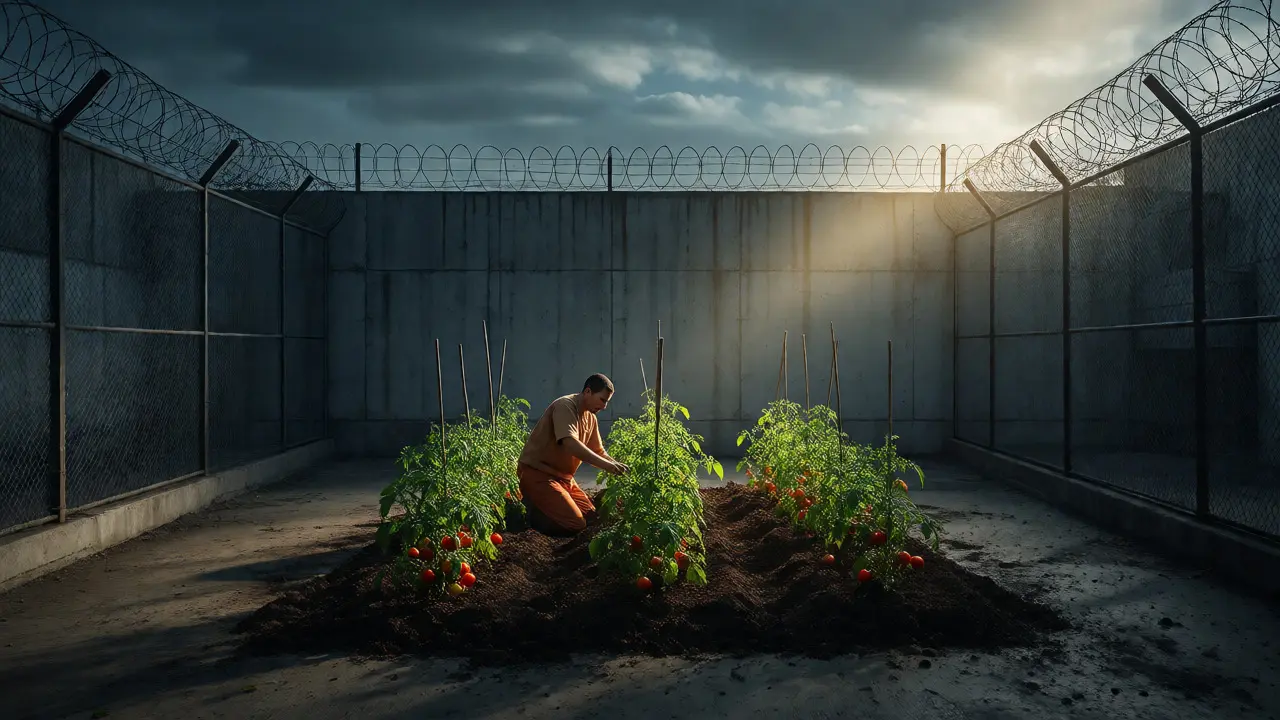
Imagine standing in a concrete yard, surrounded by high fences and razor wire, and seeing someone gently prune a tomato plant. It sounds like a scene from a movie, but it is happening right now in correctional facilities across the United States. Prison gardening is more than just a hobby; it is a powerful tool for restorative practices that help incarcerated individuals rebuild their lives. When you look closely at these programs, you see they do something traditional punishment often fails to do: they restore dignity, teach responsibility, and connect people back to nature.
Why does digging in the dirt matter so much behind bars? The answer lies in how our brains react to nature and routine. For years, researchers have studied what happens when inmates participate in horticulture therapy. This type of therapy uses plants and gardening activities to improve mental health and physical well-being. The results are striking. Participants often report lower stress levels, reduced aggression, and a stronger sense of purpose. But it goes deeper than just feeling calm. Gardening forces you to slow down. You cannot rush a seed into becoming a flower. This patience translates directly to life skills needed for reintegration into society.
The Psychology Behind Green Spaces
Think about your own experience with nature. Do you feel calmer after a walk in the park? Now imagine not having access to trees or grass for years. That is the reality for many prisoners. Restorative practices focus on repairing harm and building relationships rather than just punishing behavior. In prison yards, gardening becomes a vehicle for this restoration. It shifts the environment from one of control and surveillance to one of growth and care.
Studies show that exposure to natural elements reduces cortisol levels, the body’s primary stress hormone. A study published in the *Journal of Environmental Psychology* found that even brief views of greenery can lower blood pressure and heart rate. For an incarcerated person living in a high-stress environment, a small garden plot can be a sanctuary. It provides a space where they are not defined by their crime, but by their ability to nurture life. This shift in identity is crucial for long-term behavioral change.
Moreover, gardening requires mindfulness. You must pay attention to soil moisture, sunlight angles, and pest threats. This constant engagement pulls the mind away from rumination and anxiety. Instead of dwelling on past mistakes or future fears, the gardener focuses on the present moment. This practice aligns perfectly with cognitive-behavioral techniques used in modern correctional education.
Building Community Through Shared Labor
Gardening is rarely a solitary act in prison settings. Most programs operate as group projects. This structure creates unique social dynamics. Inmates who might otherwise clash find common ground while working toward a shared goal. They learn to communicate effectively, negotiate tasks, and support each other’s efforts.
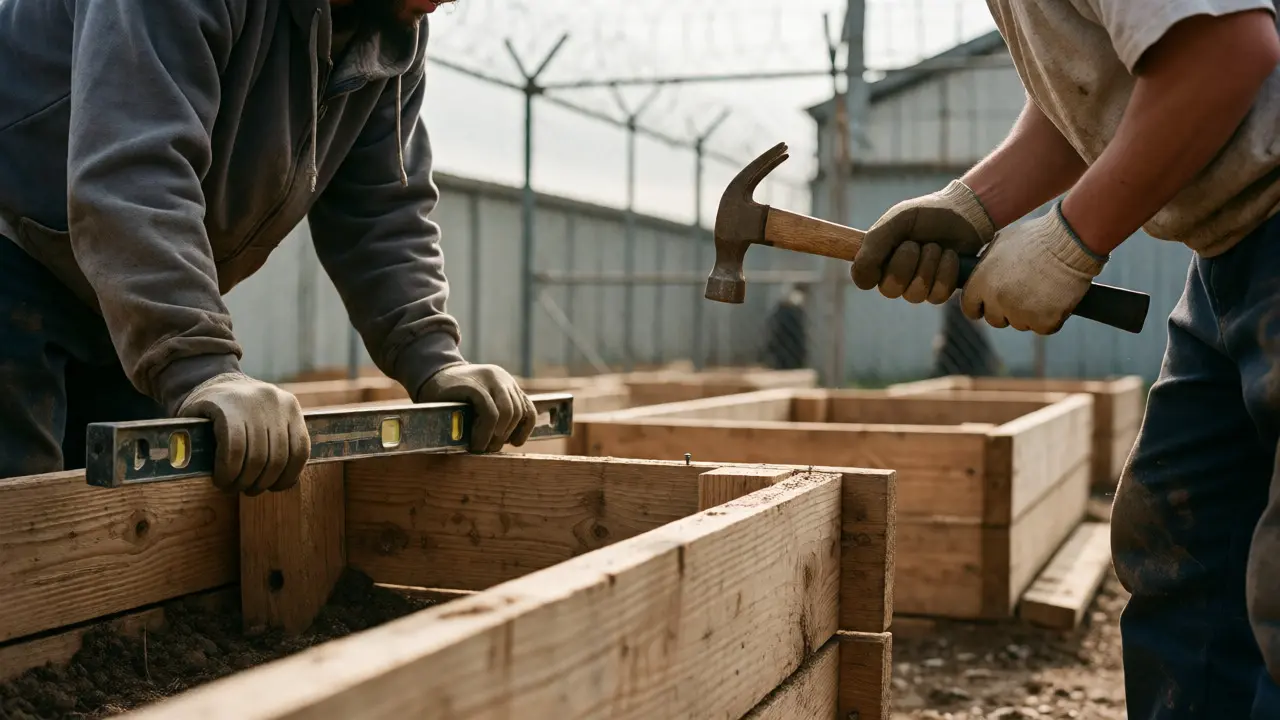
Consider a typical scenario: Two men with different backgrounds work together to build raised beds. One has carpentry skills; the other understands soil composition. They must collaborate to succeed. If they fail to cooperate, the plants suffer. This immediate feedback loop teaches accountability better than any lecture could. When the harvest comes in, the reward is tangible. Sharing vegetables with fellow inmates or donating them to local food banks fosters a sense of community contribution.
This communal aspect helps break down social barriers within the facility. Hierarchies based on race, gang affiliation, or sentence length often blur when everyone is covered in mud and focused on saving a blighted crop. The garden becomes neutral territory. It allows for positive interactions that might not happen in the mess hall or the housing unit. These new connections can provide emotional support networks that are vital for survival inside and success outside.
Skill Acquisition and Workforce Readiness
Beyond mental health benefits, prison gardens serve as vocational training grounds. Many participants enter these programs with little formal education or job experience. Horticulture offers a clear path to skill acquisition. Participants learn practical trades such as irrigation systems, landscape design, and organic farming techniques.
These skills are highly transferable to the civilian job market. The landscaping industry in the United States continues to grow, with the Bureau of Labor Statistics projecting steady demand for groundskeepers and landscapers through 2030. Employers value workers who demonstrate reliability, physical stamina, and an eye for detail-all traits honed in a prison garden.
| Feature | Traditional Vocational (e.g., Woodworking) | Horticulture/Gardening |
|---|---|---|
| Mental Health Impact | Moderate (focus on task completion) | High (nature interaction + task completion) |
| Community Building | Low (often individual work) | High (collaborative team efforts) |
| Job Market Demand | Variable (depends on local economy) | Steady Growth (green jobs sector) |
| Cost of Materials | High (tools, lumber, safety gear) | Low (seeds, soil, water) |
Furthermore, some prisons partner with local businesses or nonprofits to offer certified training. For example, programs aligned with standards set by organizations like the American Public Gardens Association can provide credentials that carry weight with employers. This bridges the gap between incarceration and employment, reducing the likelihood of recidivism.
Environmental Sustainability and Food Security
Prison gardens also address broader societal issues. With rising food costs and concerns about sustainability, these projects contribute to local food security. Fresh produce grown on-site often ends up in prison cafeterias, improving nutrition for the inmate population. This reduces healthcare costs associated with diet-related illnesses, which are prevalent among incarcerated individuals.
Some facilities take it a step further by donating surplus crops to community food banks. This act of giving back challenges the public perception of prisoners as burdens on society. It reframes them as contributors. In Portland, Oregon, several urban farms have partnered with correctional facilities to create closed-loop systems where compost from the prison feeds the farm, and the farm’s produce feeds the prison.
Environmental stewardship is another key component. Inmates learn about water conservation, composting, and sustainable agriculture. These lessons resonate beyond the prison walls. When released, former inmates often continue to apply these eco-friendly habits in their personal lives and neighborhoods. They become advocates for green spaces in underserved communities, promoting environmental justice alongside personal rehabilitation.
Challenges and Implementation Strategies
Despite the benefits, implementing successful garden programs isn’t easy. Space is limited in most correctional facilities. Security protocols restrict movement and access to tools. Budget constraints often mean funding comes from donations or grants rather than state corrections budgets.
To overcome these hurdles, successful programs start small. A few raised beds near a housing unit can serve as a pilot project. Engaging volunteers from outside the prison brings expertise and resources. Partnerships with master gardener associations or university extension offices provide technical support without adding significant cost to the prison system.
Another critical factor is consistency. Plants require daily care. Programs need reliable schedules and dedicated staff oversight. Without consistent watering and weeding, the psychological benefits diminish as frustration sets in. Structured routines help maintain momentum and ensure the garden remains a source of pride rather than neglect.
Measuring Success Beyond Harvest Weight
How do we know if these programs work? Traditional metrics like pounds of tomatoes harvested don’t tell the whole story. We need to measure human outcomes. Recidivism rates are the gold standard. Studies indicate that inmates who participate in educational and vocational programs, including gardening, are less likely to return to prison. However, qualitative data matters too.
Interviews with participants reveal changes in self-esteem, conflict resolution skills, and hope for the future. Staff observations note fewer disciplinary infractions among gardeners. These soft skills are predictors of successful reentry. Tracking participation rates, retention numbers, and post-release employment in green sectors provides a comprehensive picture of impact.
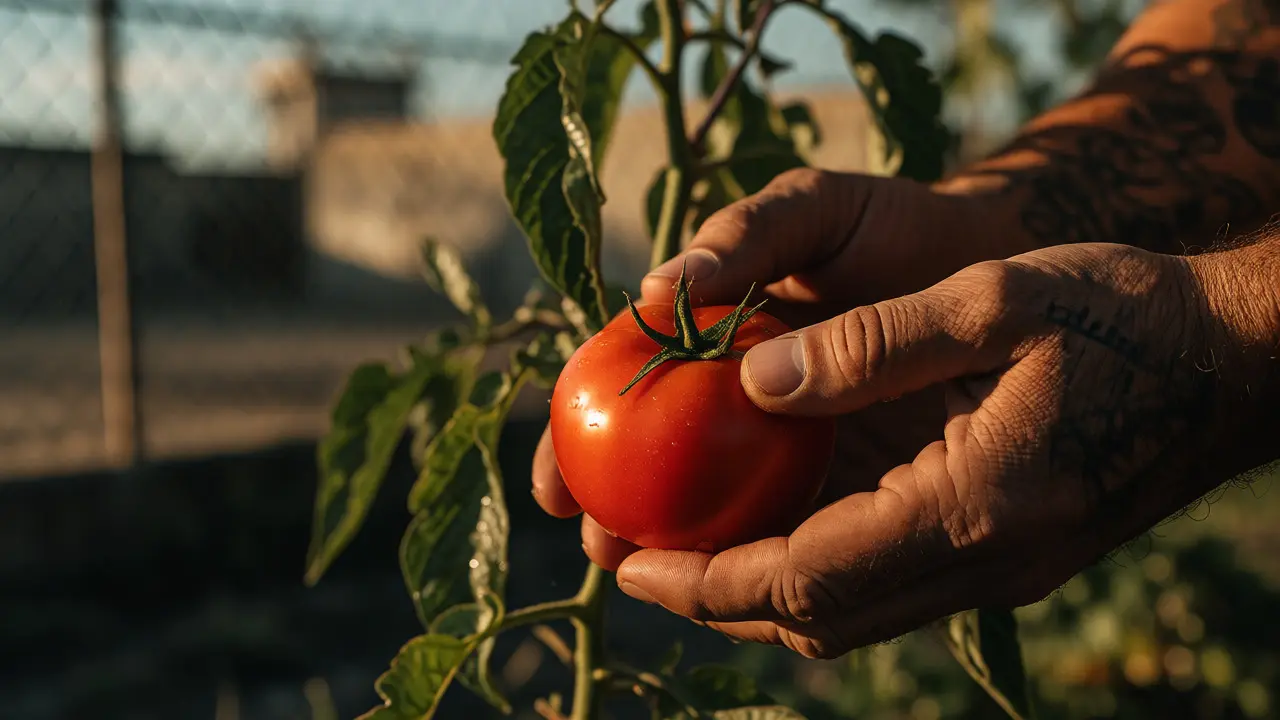
Ultimately, the goal of correctional horticulture is to cultivate more than just plants. It cultivates people. By integrating nature into the punitive environment, we create opportunities for healing and transformation. The next time you see a community garden, think about the hands that might have tended similar plots behind bars, growing not just food, but second chances.
What are the main benefits of prison gardening programs?
The main benefits include improved mental health through stress reduction, development of vocational skills relevant to the landscaping industry, enhanced social cohesion among inmates, and increased food security for both the prison population and local communities via donations.
Do prison gardens actually reduce recidivism rates?
Yes, studies suggest that participation in vocational and educational programs, including horticulture, correlates with lower recidivism rates. The combination of skill acquisition, routine discipline, and psychological well-being prepares individuals better for reintegration into society.
Is horticulture therapy recognized as a legitimate therapeutic approach?
Yes, horticulture therapy is a recognized allied health profession. It involves using plants and gardening activities to achieve specific treatment goals under the guidance of a credentialed therapist, focusing on physical, cognitive, and emotional improvement.
What challenges do prison garden programs face?
Common challenges include limited space within secure perimeters, strict security regulations regarding tools and access, inconsistent funding, and the need for dedicated staff supervision to maintain consistent plant care.
Can inmates earn certifications through gardening programs?
Many programs partner with external organizations to offer certifications in areas like pesticide application, landscape maintenance, or organic farming. These credentials enhance employability upon release.