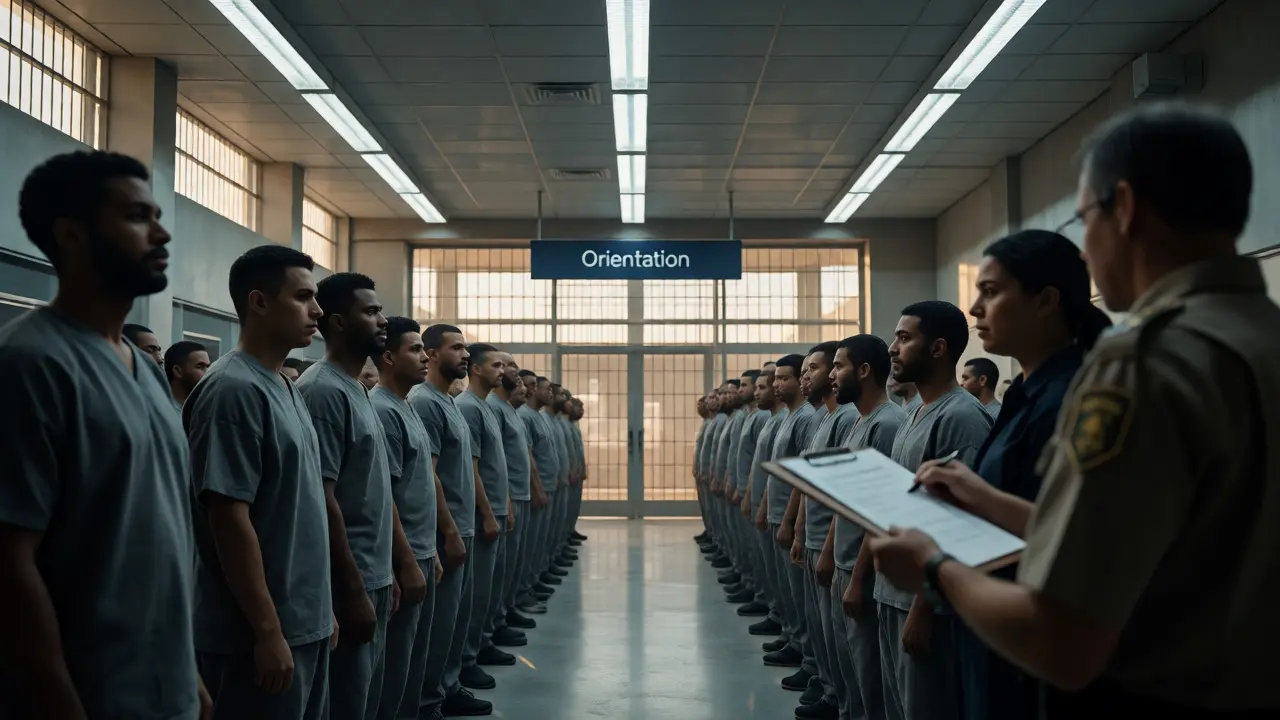
You walk into a cell block expecting one thing: punishment. But if you look closely at how modern prison rehabilitation actually works, it’s less about sitting still and more about moving through stages. It’s not a flat line; it’s a ladder. Most correctional systems today don’t just throw everyone into the same pot. They use a structure called graduated rehabilitation tiers. This system sorts inmates based on risk, need, and behavior, guiding them from initial shock to deep behavioral change, and finally to long-term stability.
Why does this matter? Because treating a first-time offender for petty theft exactly like a repeat violent felon is inefficient. It wastes resources and fails both people. The tiered model recognizes that different problems require different intensities of care. If you’re an advocate, a family member, or someone studying criminal justice, understanding these three specific phases-Orientation, Intensive, and Maintenance-is key to grasping how we actually try to fix broken lives behind bars.
The Foundation: Understanding the Tiered Model
Before we break down each stage, let’s clarify what we mean by "tiers." Think of it like physical therapy. You don’t start lifting heavy weights on day one. First, you learn how to move without hurting yourself. Then, you do intense exercises to rebuild muscle. Finally, you maintain strength so you don’t relapse. Prison rehabilitation follows this exact logic.
The core idea rests on two criminological principles: the Risk Principle and the Need Principle. The Risk Principle says higher-risk offenders need more intervention. The Need Principle says interventions must target dynamic factors (like drug abuse or antisocial attitudes) rather than static ones (like your age when you committed the crime). Graduated tiers allow prisons to allocate limited staff and funding where they will actually reduce recidivism.
| Tier | Primary Goal | Target Population | Duration | Key Activities |
|---|---|---|---|---|
| Orientation | Stabilization & Assessment | New admissions, low-risk, short-term | 1-3 months | Intake screening, rule education, basic literacy |
| Intensive | Behavioral Change | High-risk, substance abuse, violent offenses | 6-18 months | Cognitive-behavioral therapy, vocational training, drug courts |
| Maintenance | Skill Retention & Reentry Prep | Pre-release, lower-risk, stable participants | Final 3-6 months | Job placement, housing prep, community linkage |
Tier 1: Orientation - Stabilizing the Shock
The first phase is all about survival and sorting. When someone enters the system, they are often in crisis. Their life outside has collapsed. Inside, everything is new: the rules, the hierarchy, the noise. The Orientation phase focuses on immediate stabilization and comprehensive assessment. You can’t fix what you haven’t identified, so this stage is heavily diagnostic.
During orientation, staff conduct rigorous screenings. They look for mental health issues, substance dependency levels, educational gaps, and security risks. This isn’t just paperwork; it’s the blueprint for the next few years. For many, this is also the first time they’ve been treated as individuals with needs rather than just numbers.
- Acclimatization: Learning the unspoken codes of prison life to avoid unnecessary violence.
- Baseline Assessment: Using tools like the Level of Service Inventory (LSI-R) to determine risk scores.
- Basic Needs: Ensuring access to healthcare, hygiene, and legal counsel.
- Rule Internalization: Teaching compliance not through fear alone, but through understanding consequences.
If you skip this step, you send high-need individuals into general population without support. They get overwhelmed, act out, and end up in solitary confinement-a dead end for rehabilitation. Orientation prevents that spiral.
Tier 2: Intensive - Doing the Hard Work
Once an inmate is stabilized and assessed, those who need significant help move to the Intensive rehabilitation tier, characterized by high-frequency therapeutic interventions. This is the engine room of prison reform. Here, the focus shifts from "surviving" to "changing."
This tier is reserved for those with high criminogenic needs. We’re talking about severe addiction, untreated trauma, or deeply ingrained antisocial behaviors. The programming here is dense. It’s not just attending a weekly group; it’s daily engagement. Cognitive Behavioral Therapy (CBT) is the gold standard here. Why? Because most criminal behavior stems from distorted thinking patterns-impulsivity, entitlement, or misinterpreting social cues.
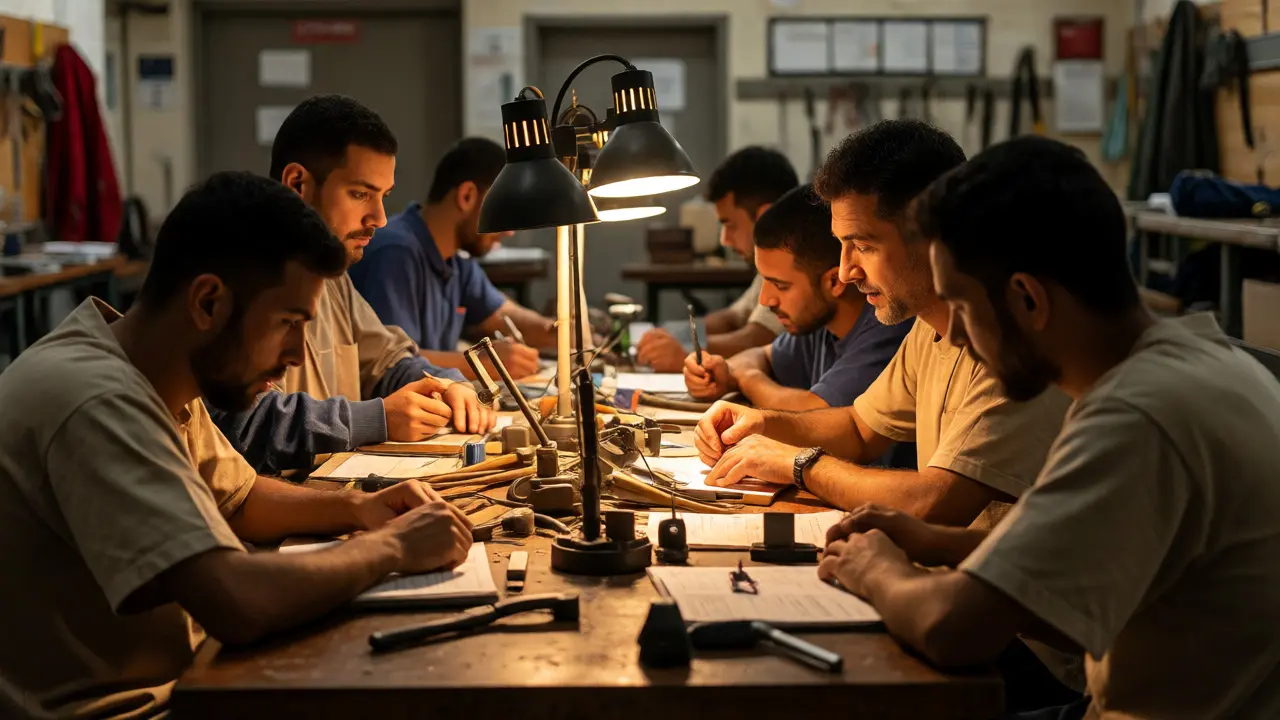
Vocational training also peaks in this tier. It’s not just about learning to weld or code; it’s about building self-efficacy. When an inmate completes a certification while incarcerated, they prove to themselves that they can finish something difficult. That confidence transfers directly to post-release employment.
However, this tier has pitfalls. If the staff-to-inmate ratio is too high, the therapy becomes superficial. If the curriculum is outdated, inmates leave with skills no employer wants. Successful intensive programs, like those modeled after the Therapeutic Community model, rely on peer accountability. Inmates hold each other responsible, creating a micro-society where pro-social behavior is rewarded.
Tier 3: Maintenance - Bridging the Gap to Freedom
Here’s where many systems fail. They do great work in the middle, then drop the ball at the end. The Maintenance tier focuses on sustaining progress and preparing for community reintegration. This phase usually kicks in during the final six months before release.
The goal here isn’t to teach new complex skills. It’s to prevent regression. Stress spikes as release approaches. Will I find a job? Where will I live? Will my family accept me back? These anxieties can undo months of therapy. Maintenance programming addresses these specific fears.
Activities in this tier include:
- Reentry Planning: Concrete steps for housing, ID cards, and social security benefits.
- Mock Interviews: Practicing how to explain incarceration history to employers.
- Family Mediation: Repairing relationships strained by absence.
- Community Linkage: Connecting with halfway houses or parole officers before leaving the gate.
Think of maintenance as the safety net. Without it, inmates step out of a controlled environment into chaos. With it, they have a plan. Studies consistently show that pre-release preparation significantly lowers the odds of returning to prison within the first year.
Why Movement Between Tiers Matters
A rigid system fails. A good system allows movement. An inmate might enter in Intensive due to high risk but, after completing therapy, move to Maintenance early because they’ve demonstrated stability. Conversely, someone in Maintenance might slip, requiring a return to Intensive support.
This flexibility relies on data. Correctional officers track behavioral metrics: disciplinary reports, program attendance, and psychological evaluations. If an inmate violates rules repeatedly, they don’t just get punished; they get reassigned to a higher-support tier. This ensures that supervision matches current behavior, not past history.
It also saves money. Keeping someone in high-intensity programming when they don’t need it drains resources. Moving them to maintenance frees up slots for those who truly need the heavy lifting. Efficiency drives sustainability.

Common Pitfalls in Implementation
Even with a perfect model, execution is messy. Three common issues plague graduated tiers:
- Bottlenecks: Too many people stuck in Orientation because assessments take too long. This delays their access to vital therapy.
- Stigma: Inmates labeled "high risk" may be denied privileges even after improving, discouraging effort.
- Discontinuity: The jump from prison to parole can feel like falling off a cliff if maintenance didn’t properly bridge the gap.
Addressing these requires constant feedback loops between prison administrators and community providers. It’s not enough to have the tiers; you need smooth transitions between them.
Real-World Impact: Does It Work?
Let’s look at the numbers. Programs utilizing graduated tiers report recidivism rates 15-20% lower than standard incarceration models. For example, states that implemented structured reentry pathways saw faster employment rates among ex-offenders. Why? Because the maintenance tier forced them to secure jobs *before* release, not after.
Moreover, these tiers improve institutional safety. When inmates understand their path and see tangible progress, aggression decreases. Hope is a powerful behavioral modifier. Knowing you are moving toward freedom through clear, achievable steps reduces the despair that often fuels violence inside.
Next Steps for Advocates and Families
If you know someone currently incarcerated, ask which tier they are in. Ask what their exit plan looks like. Are they in Maintenance? Do they have a housing lead? If they are stuck in Orientation for months, why? Is there a backlog in assessments?
Understanding the tier system empowers you to advocate effectively. You aren’t just asking for "better conditions." You are asking for appropriate placement in the rehabilitation continuum. That distinction matters.
What determines which tier an inmate starts in?
Initial placement is determined by a risk-needs assessment conducted during intake. Factors include criminal history, severity of the current offense, substance abuse history, mental health status, and educational background. High-risk individuals typically start in or quickly move to the Intensive tier, while low-risk offenders may remain in Orientation or move quickly to Maintenance.
Can an inmate move backwards in tiers?
Yes. Progression is not always linear. If an inmate exhibits behavioral issues, fails to engage in programming, or experiences a crisis (such as a new charge), they may be moved back to a higher-support tier, such as returning from Maintenance to Intensive, to address the underlying instability.
How long does each tier last?
Duration varies by individual and facility. Orientation typically lasts 1-3 months. Intensive programs can range from 6 months to several years depending on sentence length and progress. Maintenance usually occupies the final 3-6 months before release, though some facilities integrate maintenance concepts earlier for shorter sentences.
Is the Intensive tier only for violent offenders?
No. While violent offenders often require intensive care, non-violent offenders with severe substance abuse issues or significant mental health challenges also qualify. The tier is based on criminogenic needs, not just the nature of the crime.
What happens if an inmate doesn't participate in the Intensive tier?
Non-participation can result in slower progression through the system, loss of privileges, and potentially longer stays if early release credits are tied to program completion. However, coercion is counterproductive; effective programs use incentives and peer pressure to encourage voluntary engagement.