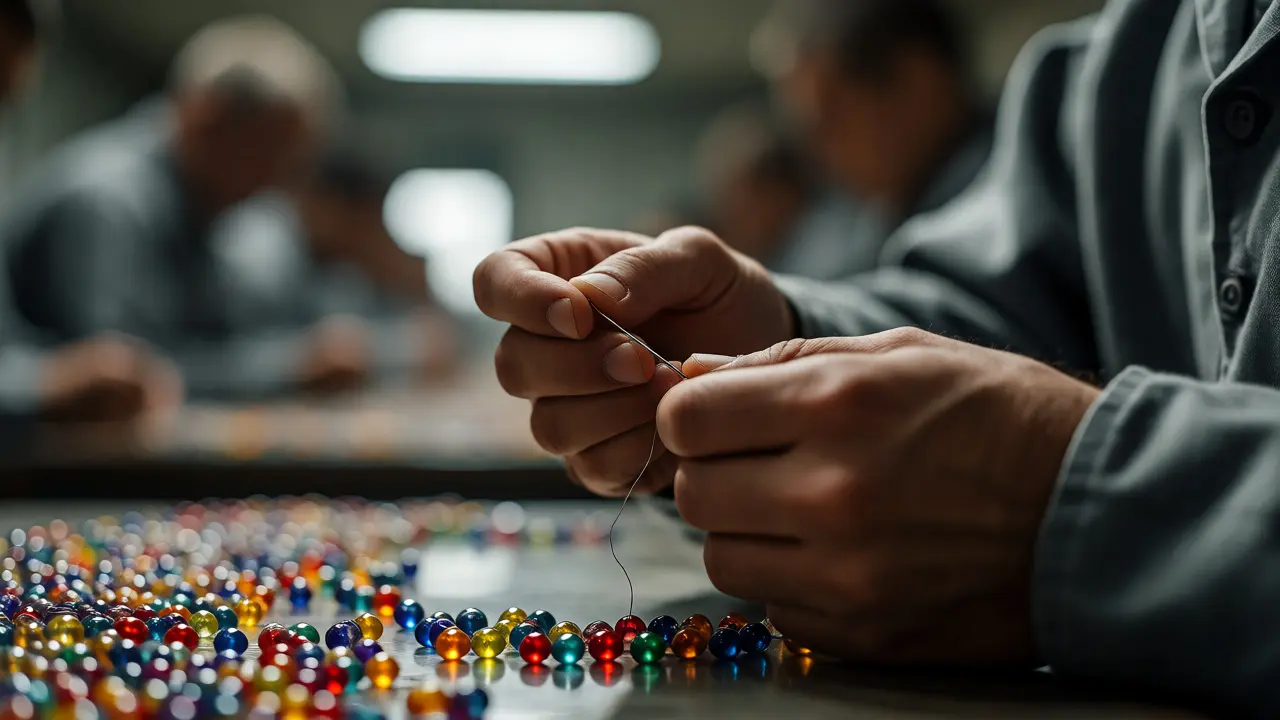
You might picture prison time as a blur of gray walls and locked doors. But step into the recreation hall or the vocational wing, and you see something else entirely. You see focus. You see hands that used to shake from anxiety now threading tiny glass beads with steady precision. Hobby craft programs in prisons are not just ways to pass the time. They are critical tools for mental health, skill acquisition, and eventual reentry into society.
Why does this matter? Because idleness breeds trouble. When inmates have nothing to do, tension rises. But when they have a project-a piece of leather to cut, a canvas to paint, a necklace to string-the atmosphere shifts. These programs turn empty hours into tangible products. More importantly, they rebuild a sense of agency in people who have had almost all control taken away.
The Psychology Behind Making Things
Think about the last time you were stressed. Maybe you cooked a meal, built a shelf, or knitted a scarf. Did you feel calmer afterward? That is not a coincidence. It is called "flow state." In a correctional setting, achieving flow is rare but powerful.
Beading is particularly effective here. It requires intense concentration. If your mind wanders, the thread tangles. This forces the brain to stay in the present moment. For someone dealing with trauma or anger issues, this mindfulness is therapeutic. It acts like meditation but results in a physical object you can hold.
Research supports this. The National Institute of Justice has noted that vocational and hobby training reduces recidivism rates. Why? Because it provides structure. It teaches patience. It shows that effort leads to reward. When an inmate finishes a complex beadwork pattern, they prove to themselves that they can complete a difficult task. That confidence carries over into other areas of life.
Leatherwork: Durability and Discipline
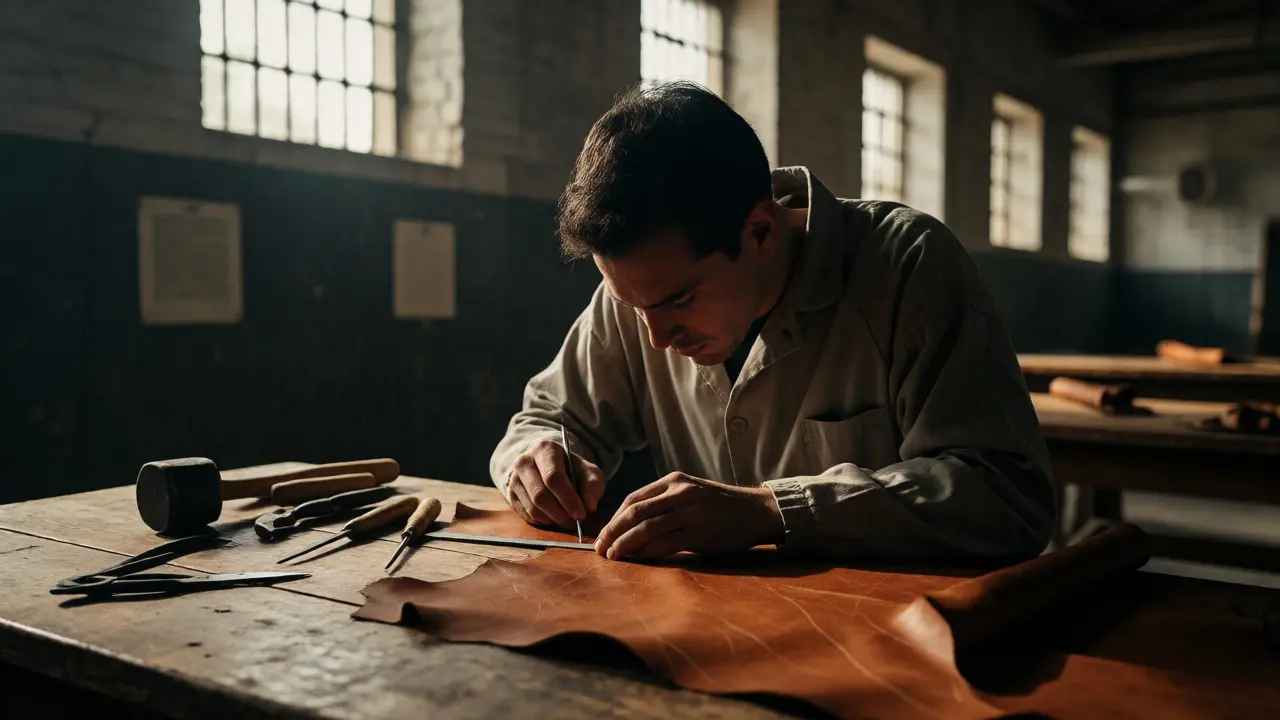
If beading is about fine motor skills and patience, leatherwork is about strength and planning. Working with hides requires tools-cutters, awls, mallets-and respect for materials. You cannot rush leather. You must measure twice, cut once.
This discipline translates well to life outside. Many former inmates start small businesses selling handmade wallets, belts, or bags. The startup cost is low. A basic kit costs under $50. But the skill set is high-value. Customers today love "handmade" and "authentic." There is a market story there: products made by people working hard to change their lives.
| Craft Type | Primary Skill Developed | Material Cost (Approx.) | Sale Potential |
|---|---|---|---|
| Beading | Fine Motor Skills, Patience | $10 - $30 per project | High (Jewelry, Keychains) |
| Leatherwork | Planning, Strength, Precision | $40 - $80 per project | Medium-High (Wallets, Belts) |
| Painting | Creativity, Emotional Expression | $15 - $40 per project | Variable (Art Market) |
Painting as Emotional Release
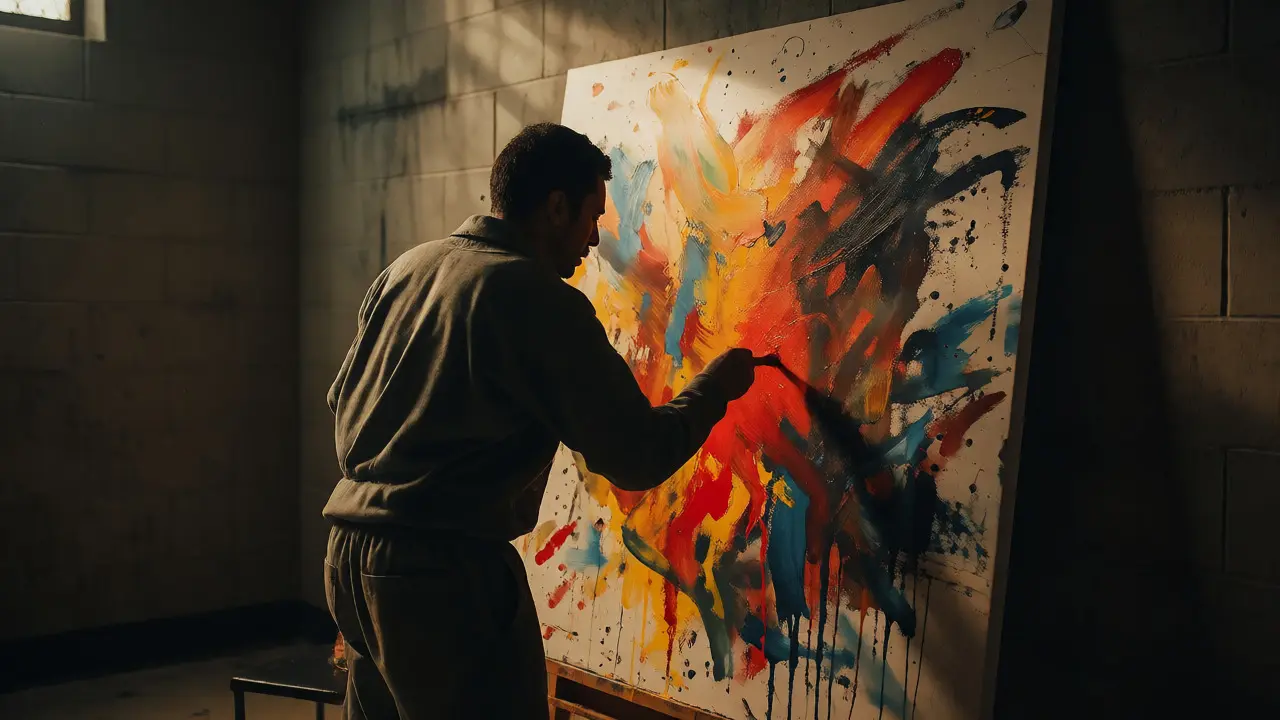
Not everyone wants to make a product to sell. Some need to get feelings out. Painting serves this purpose. It is less structured than beading or leatherwork. You can splash color on a canvas without worrying if the lines are straight.
In many facilities, art therapy programs use painting to help inmates process grief, regret, or fear. The act of creating visual imagery allows communication without words. This is crucial because verbalizing emotions can be difficult in a male-dominated prison culture where vulnerability is often seen as weakness. Through a brushstroke, an inmate can express what he cannot say aloud.
Furthermore, painting improves spatial awareness and color theory knowledge. These are transferable skills. An inmate who learns to mix colors accurately understands cause and effect. He learns that adding blue to yellow makes green, no matter how much he wishes it would make purple. Life lessons hide in plain sight within these simple artistic truths.
Challenges and Logistics
Running these programs isn't easy. Budgets are tight. Supplies disappear. Tools can be dangerous if misused. A pair of scissors becomes a weapon if not accounted for at count time. Therefore, strict inventory control is non-negotiable.
- Tool Safety: Knives and needles must be checked in and out. No exceptions.
- Space Constraints: Dorm rooms are small. Projects must be compact or stored securely.
- Funding: Most programs rely on grants or donations. State budgets rarely cover hobby supplies fully.
Despite these hurdles, the return on investment is clear. Facilities with active craft programs report fewer disciplinary infractions. Inmates engaged in productive hobbies are less likely to engage in violence or drug use. They are busy. They are focused. They are building something.
Reentry and Economic Opportunity
The ultimate goal of any prison program is successful release. How does making a beaded bracelet help with that? It creates a bridge. Many organizations partner with prisons to sell inmate-made goods online. Platforms like Etsy or dedicated nonprofit sites feature these items.
When an ex-inmate leaves prison, he doesn't just leave with a record. He leaves with a portfolio. He has proof of work ethic. He has contacts who bought his crafts. He has a potential income stream while he searches for traditional employment. This economic foothold reduces the pressure that often drives people back to crime.
Consider the story of John, released from Oregon State Penitentiary in 2024. He spent three years in the leatherwork shop. Upon release, he didn't wait for a job offer. He started repairing belts and wallets at local markets. Within six months, he was self-employed. His craft gave him dignity and dollars.
How to Support These Programs
You don't have to volunteer inside to help. You can support from the outside. Look for nonprofits that supply materials to specific facilities. Donate unused art supplies. Buy products made by incarcerated individuals. Every purchase sends a message: your work matters.
Local communities can also advocate for funding. City councils and state legislatures allocate funds for corrections. Public pressure can shift those allocations toward education and recreation rather than just security hardware. It is a small ask with a big impact.
Are prison craft programs available everywhere?
No, availability varies widely by facility and state budget. Some prisons have robust arts departments, while others have minimal resources due to overcrowding or lack of funding.
Can inmates sell their crafts?
In many cases, yes. However, rules differ by jurisdiction. Often, sales go through a prison commissary system or a third-party nonprofit, with proceeds split between the inmate, the program fund, and sometimes the state.
What are the most common safety restrictions?
Sharp tools like knives, scissors, and needles are heavily regulated. They are usually counted before and after each session. Glues and paints must be non-toxic and free of flammable solvents.
Do these programs reduce recidivism?
Studies suggest that vocational and educational programs, including crafts, lower recidivism rates by providing skills, structure, and a sense of accomplishment that aids in reintegration.
How can I donate supplies?
Contact the facility's volunteer coordinator or look for local nonprofits specializing in prison arts. Always check the facility's list of approved items before sending anything, as some materials may be prohibited.