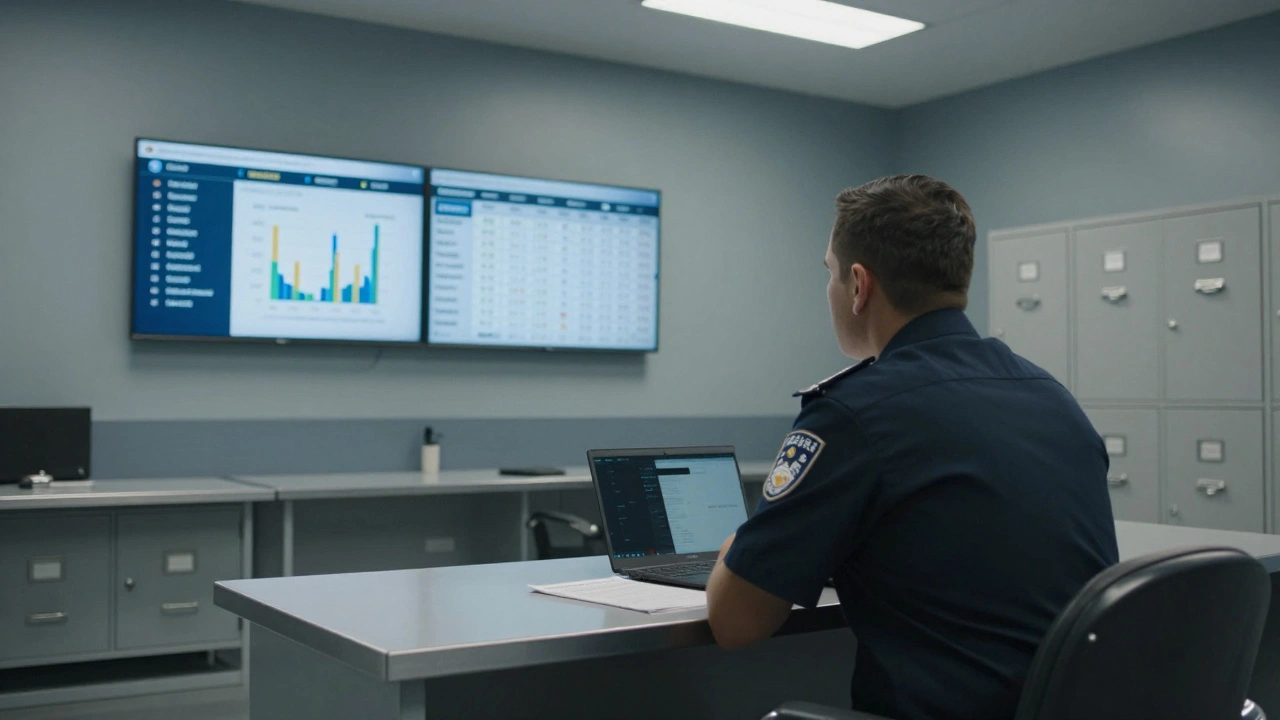
When someone enters the prison system, their initial placement isn’t random. It’s not based on gut feelings or who they know. It’s determined by a structured, data-driven process that looks at two things above all: behavior and program participation. These aren’t just buzzwords-they’re the core drivers behind whether an inmate stays in maximum security, moves to a lower-risk unit, or even gets transferred to a different facility. And this process doesn’t stop at intake. It happens again and again-every year, sometimes more often-because people change.
How Classification Works: Two Phases, One Goal
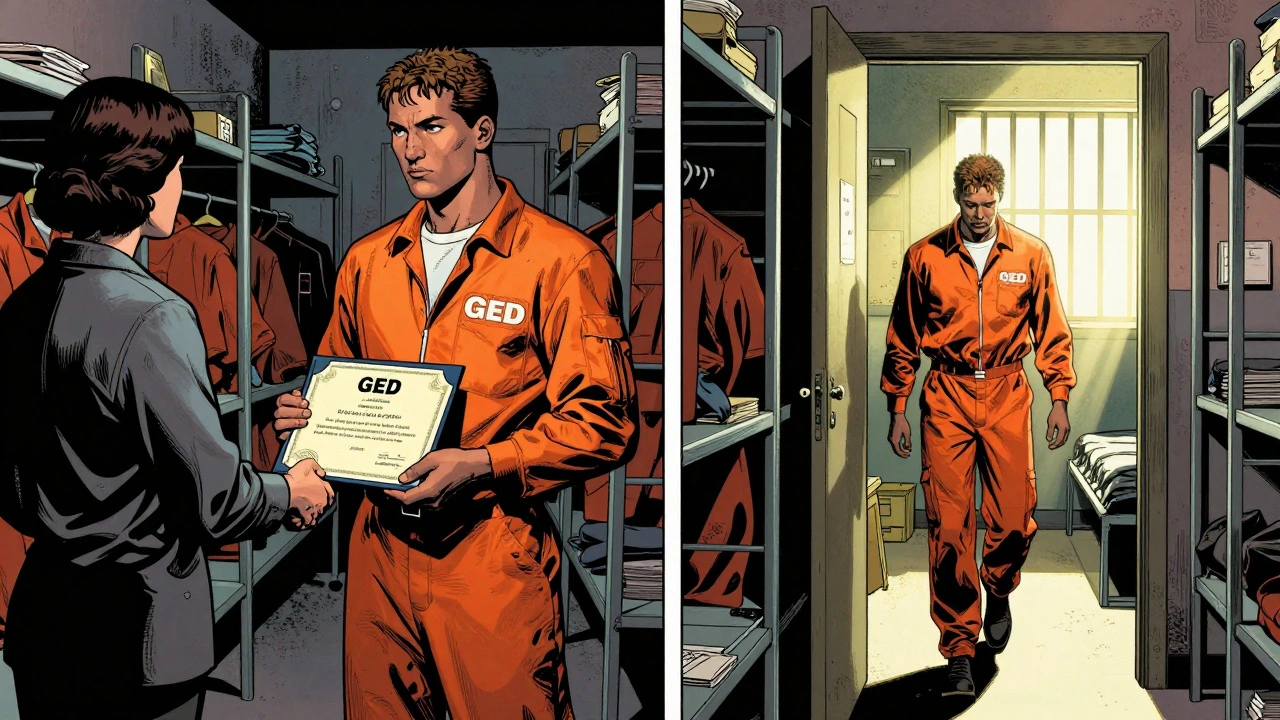
Prison classification isn’t a one-time decision. It’s split into two phases: external and internal. The external classification happens right after intake. It answers the basic question: Where does this person belong based on their offense, criminal history, and sentence? This determines whether they go to a minimum, medium, or maximum-security prison. But this is just the starting line. Once they’re in the facility, the internal classification kicks in. This is where behavior and program participation take center stage. Staff don’t just look at what got them locked up-they look at what they’ve done since. Did they stay out of fights? Did they show up to GED classes? Did they complete a substance abuse program? These aren’t optional extras. They’re the currency of mobility within the prison system.Behavior: The Daily Scorecard
Inmates aren’t graded on a curve. They’re tracked with clear, measurable indicators. A single violent incident can bump someone up a custody level. Repeated rule violations-possessing contraband, refusing orders, or inciting unrest-trigger automatic reviews. On the flip side, consistent good behavior can lead to privileges: better housing, access to work programs, or even eligibility for early parole consideration. States like Florida, Connecticut, and Colorado built computerized systems that assign points based on behavior. A verbal altercation might cost 5 points. Attending daily counseling might earn 3. These scores feed directly into housing assignments. Someone with a clean record over six months might move from a dorm-style unit to a single cell. Someone with multiple infractions could be moved to solitary, even if their original custody level was medium. This isn’t punishment for punishment’s sake. It’s about safety. Correctional staff need to know who’s likely to escalate, who’s likely to be targeted, and who can be trusted around others. Behavior isn’t just about breaking rules-it’s about predicting risk. Studies show that inmates with repeated behavioral violations are significantly more likely to attempt escape or engage in violence. That’s why behavior data is legally required to demonstrate predictive validity in many states.Program Participation: More Than Just Checking Boxes
Programs aren’t optional hobbies. They’re part of the sentence. Inmates are assessed for needs: Do they have a substance abuse disorder? Are they functionally illiterate? Do they lack job skills? These aren’t just for rehabilitation-they’re for classification. If someone has a documented substance abuse history and hasn’t completed a treatment program, they’re often placed in a unit with increased supervision and access to ongoing counseling. If they’ve completed a vocational training course and earned a certification, they’re more likely to be assigned to a work detail that matches their skills-like carpentry or food service-which can lead to reduced sentences in some states. The Missouri Department of Corrections uses the Adult Internal Classification System (AICS), which ties program completion directly to housing eligibility. Someone who finishes a cognitive behavioral therapy program might be moved from a high-risk housing unit to a general population block. That’s not a reward-it’s a recalibration. The system assumes that someone who sticks with a tough program is more likely to manage impulses and follow rules.The Reclassification Review: Every Year, A New Chance
Most prisons conduct a formal reclassification review at least once a year. This isn’t a formality. It’s a reset button. The review looks at everything since the last assessment:- Number of disciplinary reports
- Attendance and completion of programs
- Work performance and peer evaluations
- Changes in legal status (new charges, sentence reductions, appeals)
- Medical or mental health updates
Data Is the Backbone-And It Must Be Accurate
None of this works if the data is wrong. A single misreported incident or a clerical error in program completion can change an inmate’s entire trajectory. That’s why data integrity is non-negotiable. Systems like Northpointe’s Decision Tree rely on clean, verified inputs. If a staff member accidentally logs a fight that never happened, or fails to mark a completed program, the whole system breaks down. That’s why training matters. When Missouri first rolled out its internal classification system, staff disagreed on how to score certain behaviors. One officer might see a shove as assault. Another might see it as self-defense. That inconsistency led to low inter-rater reliability-meaning different staff gave wildly different scores for the same behavior. The fix? Rigorous training, standardized checklists, and regular audits. Now, every classification decision is traceable to a documented source.Why This System Works Better Than Old Methods
Years ago, classification was based on intuition. A guard might say, “He looks dangerous,” or “She seems smart-let’s put her in a better unit.” Those decisions were inconsistent, biased, and often unfair. Research showed they failed to predict future behavior accurately. Today’s systems are built on evidence. They use statistical models validated over years of data. They don’t guess-they calculate. And they’re constantly evaluated. States that use behavior and program-based classification report fewer assaults, fewer escapes, and higher rates of program completion. Inmates who complete programs are 43% less likely to return to prison within three years, according to the National Institute of Corrections. This isn’t just about safety. It’s about accountability. Inmates aren’t just warehoused. They’re given a path. And they’re held responsible for walking it.The Bigger Picture: Classification as Case Management
The best classification systems don’t just assign housing-they shape a person’s entire incarceration. The data from behavior and program participation feeds into a case management plan. That plan outlines goals: complete GED, attend therapy, secure job training. It’s discussed with the inmate. They sign off on it. They know what’s expected. This turns prison from a place of punishment into a place of change. It gives inmates agency. It gives staff clarity. And it gives the system a way to measure success-not just by who’s locked up, but by who’s growing.| Factor | Positive Change | Negative Change | Typical Outcome |
|---|---|---|---|
| Behavior | Zero disciplinary reports for 6+ months | Three or more infractions in a year | Downgrade to lower custody; better housing |
| Program Participation | Completed substance abuse or GED program | Failed to attend or dropped out | Eligible for work assignments; increased privileges |
| Work Performance | Consistent positive evaluations | Repeated absenteeism or poor quality | Access to higher-paying jobs; reduced lockdown time |
| Legal Status | Sentence reduced or appeal granted | New charges filed | Reclassification triggered; facility transfer possible |
What Happens If You Don’t Participate?
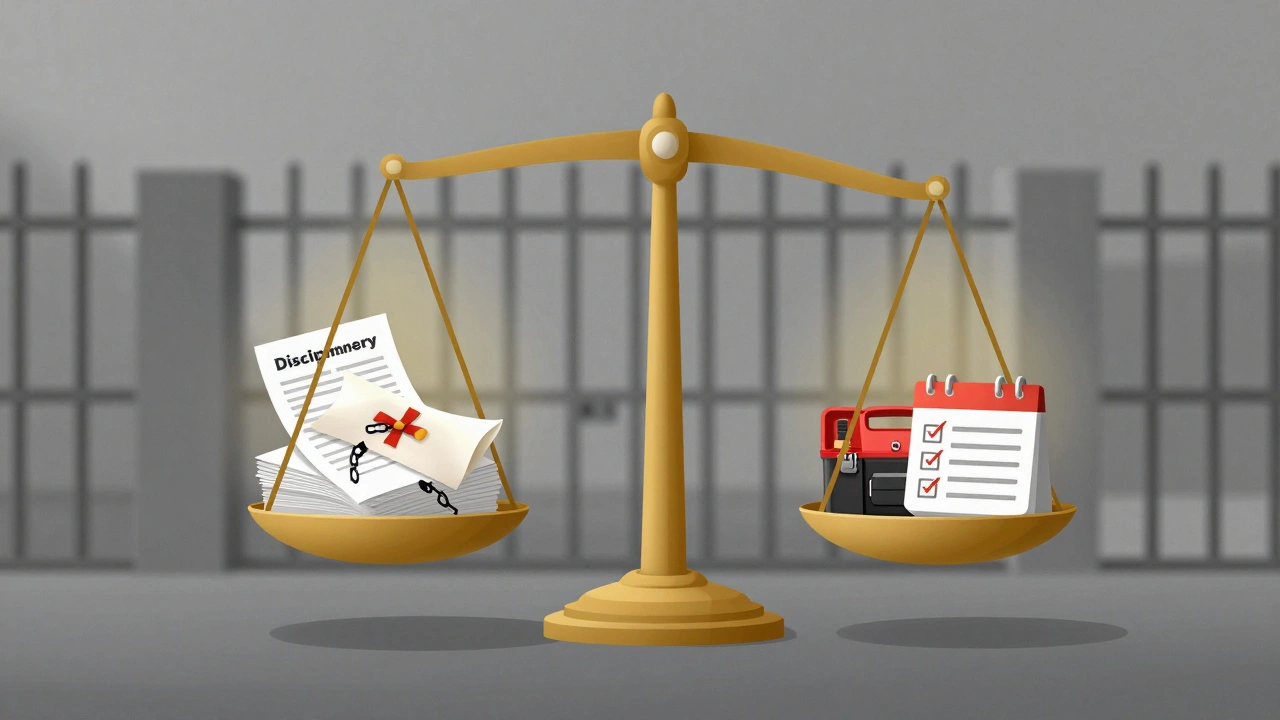
Skipping programs or acting out has consequences. It’s not just about losing privileges. It’s about losing opportunity. Inmates who don’t engage with rehabilitation programs are far more likely to return to prison after release. The system doesn’t punish them for it-it simply doesn’t move them forward. In some prisons, program participation is tied to eligibility for parole hearings. If you haven’t completed required counseling or education, your parole board won’t even consider you. It’s not about being “good.” It’s about showing you’ve done the work to change.FAQ
How often are inmates reviewed for reclassification?
Most prisons conduct formal reclassification reviews at least once a year. Some states do it every six months for high-risk inmates or those making progress in programs. Reviews can also be triggered by major events like a new court ruling, a disciplinary infraction, or a request for transfer.
Can an inmate be moved to a higher security level even if their original sentence was low-risk?
Yes. Classification is dynamic. Even someone who entered with a nonviolent, low-risk sentence can be moved to a higher-security unit if they repeatedly violate rules, engage in violence, or are linked to gang activity. The system prioritizes current behavior over past history.
Do all states use the same classification system?
No. Each state designs its own system, though most follow guidelines from the National Institute of Corrections. States like Florida, Missouri, and Colorado have developed their own computerized tools, while others use paper-based checklists. The core principles-behavior and program participation-are consistent, but the scoring and thresholds vary.
Can an inmate appeal a classification decision?
Yes. Most prison systems have an internal appeals process. Inmates can submit a written request for review, often with support from counselors or legal aid. They must show new evidence or argue that procedures were not followed. Appeals don’t guarantee a change, but they are a formal part of the system.
Do mental health issues affect classification?
Absolutely. Mental health is a key part of the needs assessment. Inmates with serious mental illness are often placed in specialized units with access to therapy, medication, and trained staff. Their classification isn’t about punishment-it’s about safety and treatment. Failing to address mental health needs can lead to increased behavioral incidents, which then affects their housing and privileges.