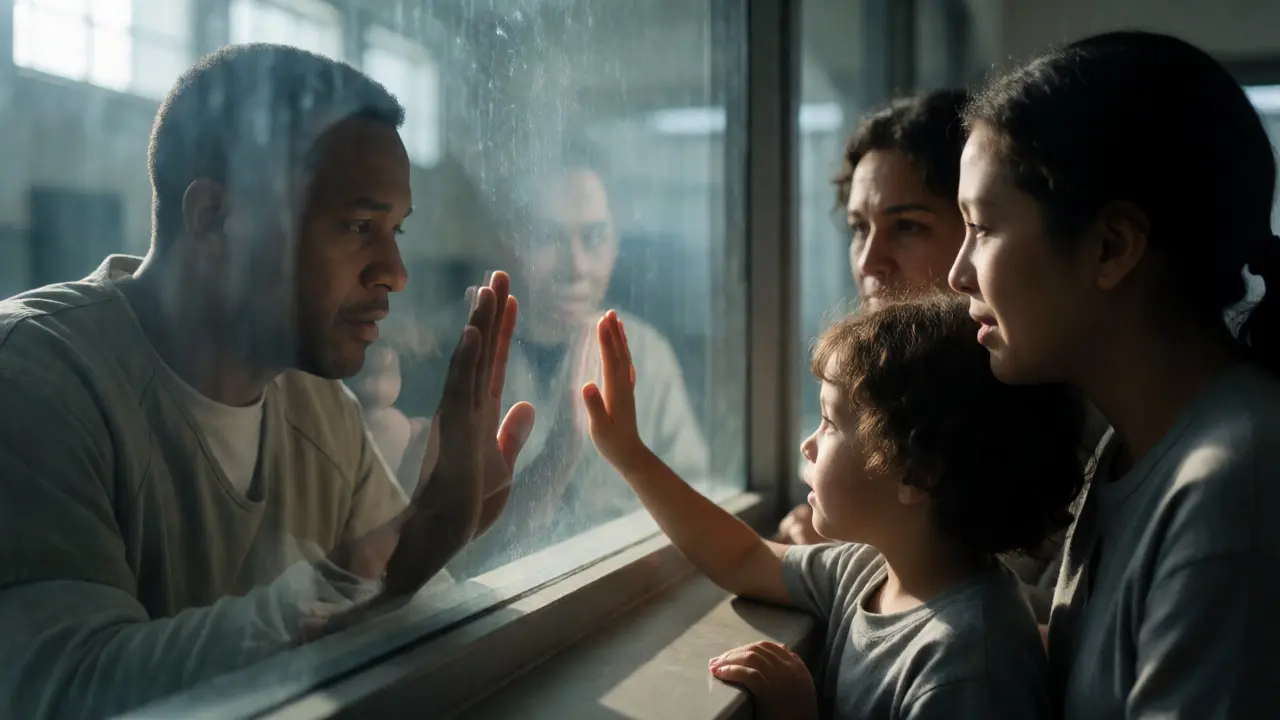
You might think that once a parent is behind bars, the clock stops ticking on their relationship with their kids. But here’s the twist: the quality of those visits often predicts whether they’ll stay out of prison after release. It’s not just about saying hello through glass; it’s about maintaining the emotional tether that keeps them grounded in reality.
The Emotional Anchor
Family Visitation is the structured process by which incarcerated individuals maintain contact with their relatives, serving as a critical psychological support system during incarceration. For parents inside, these interactions aren't just social calls-they are lifelines to their identity outside the prison walls. When you strip away the uniform and the cell number, what remains is the role of being a father or a mother. If that role fades because contact becomes rare or stressful, the motivation to succeed upon release can fade with it.
Think about it from your own perspective. If you lost touch with your family for five years, would you feel ready to step back into a household where everyone has moved on? Probably not. You’d feel like an outsider. That sense of alienation is exactly what increases recidivism rates. Conversely, consistent, positive visits remind the incarcerated parent that there is a specific place waiting for them, with people who need them specifically.
Logistical Barriers That Break Bonds
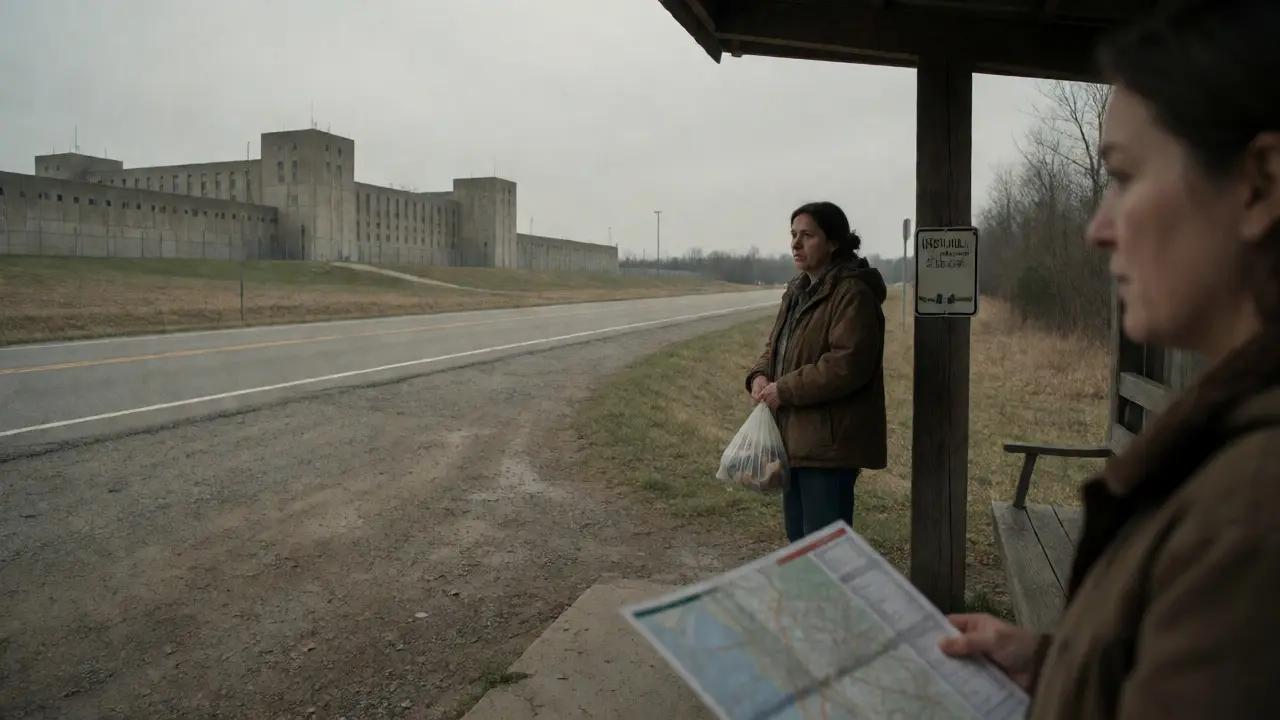
We need to get real about why families stop visiting. It’s rarely lack of love. It’s usually logistics. Prison facilities are often built in rural areas, far from the urban centers where most inmates’ families live. This creates a massive burden on transportation costs and time off work.
- Distance: Many state prisons are located hours away from major cities, making weekend trips financially impossible for low-income families.
- Cost: Between gas, bus tickets, and commissary funds for the visit, a single trip can cost hundreds of dollars.
- Scheduling Conflicts: Rigid visitation windows clash with school schedules and job shifts, forcing difficult choices.
When these barriers pile up, visits become sporadic. And sporadic visits send a dangerous message to the child: "Mom or Dad doesn't really care." To fix this, reentry planning must start long before release day. Case managers need to help families navigate these hurdles early, perhaps by coordinating group travel or advocating for extended visitation privileges.
| Visitation Pattern | Psychological Impact on Parent | Reentry Risk Level |
|---|---|---|
| Consistent & Positive | High self-esteem, strong future orientation | Low |
| Inconsistent / Conflict-Heavy | Anxiety, guilt, ambivalence about home | Moderate-High |
| No Contact | Detachment, loss of parental identity | Very High |
Children Are Not Just Visitors
Kids process prison visits differently than adults do. For a young child, seeing a parent in a jumpsuit can be terrifying or confusing. Without preparation, a visit can actually cause behavioral issues rather than strengthen bonds. This is where Child-Centered Visitation Programs come into play. These programs prepare children for what they will see and hear, reducing trauma and increasing engagement.
If a child feels safe and understood during a visit, they are more likely to view their parent positively. This positive perception is crucial for Family Reunification, the process of reintegrating an incarcerated individual back into their family unit after release. A parent who knows their child loves them despite the circumstances is far more motivated to adhere to parole conditions and find stable housing.
Building the Bridge Before Release
So, how do we turn visitation data into actionable reentry plans? It starts with treating visitation logs as diagnostic tools. If a parent hasn’t seen their spouse in six months, that’s a red flag. It suggests potential domestic instability or communication breakdowns that need addressing before release.
Effective reentry planning involves three key steps related to family dynamics:
- Assess Relationship Health: Use visit records to gauge the strength of family ties. Are visits supportive or contentious?
- Address Practical Gaps: Identify if distance or money is the barrier. Can community organizations help bridge the gap?
- Plan for Transition: Prepare the family for the changes coming post-release. Roles may have shifted; expectations need recalibration.
It’s also worth noting that Video Visitation has emerged as a viable alternative to in-person visits, offering lower costs and higher frequency options for many families. While it lacks the physical presence of traditional visits, studies suggest it helps maintain regular contact when geography makes travel prohibitive. However, it should complement, not entirely replace, in-person interaction whenever possible, especially for younger children who rely on physical cues for bonding.

The Ripple Effect on Community Safety
When we invest in keeping families connected during incarceration, we’re not just doing a nice thing for the inmate. We’re investing in public safety. Stable families reduce the likelihood of recidivism. Why? Because returning citizens with strong family support networks have fewer triggers for relapse into old habits. They have accountability partners at home. They have a reason to wake up early and go to work.
Consider the economic angle too. Every time someone returns to prison, it costs taxpayers thousands of dollars. By facilitating better visitation access-through things like subsidized transport or flexible scheduling-we potentially save millions in avoided reincarceration costs. It’s a pragmatic argument wrapped in humanitarian logic.
Practical Tips for Families and Planners
If you are working in corrections or helping a family navigate this journey, here are some concrete actions to take:
- Create a Visit Calendar: Treat visits like important appointments. Consistency builds trust.
- Debrief After Visits: Talk to the child (and the parent) about how the visit went. What was hard? What was good?
- Leverage Technology: Use video calls for quick check-ins between in-person visits to keep the connection fresh.
- Prepare for Post-Release Dynamics: Discuss openly how roles might change. The parent who left isn’t necessarily the same person returning, and the family has changed too.
Ultimately, reentry planning isn’t just about finding a job or a place to sleep. It’s about rebuilding the human connections that make life worth living. Family visitation is the thread that holds that fabric together while the parent is away. Pull on it gently, consistently, and carefully, and you might just see a stronger, safer community emerge on the other side of the gates.
Does frequent visitation really lower recidivism rates?
Yes, multiple studies indicate that maintaining strong family ties through regular visitation correlates with lower recidivism. The emotional support and sense of responsibility toward family members provide strong incentives for successful reintegration into society.
What are the biggest barriers to family visitation in prisons?
The primary barriers include geographic distance (prisons are often in remote areas), high transportation costs, strict scheduling conflicts with work or school, and sometimes restrictive policies regarding who can visit or how often.
How does video visitation compare to in-person visits for maintaining bonds?
Video visitation offers convenience and frequency but lacks the tactile and environmental immersion of in-person visits. It is best used as a supplement to maintain contact between physical visits, particularly for distant families, though in-person contact remains superior for deep emotional bonding.
How can case managers use visitation data in reentry planning?
Case managers can analyze visitation logs to assess the strength of family support systems. Frequent, positive visits suggest a strong support network, while declining or conflict-ridden visits may indicate underlying family issues that need intervention before release.
Are there special programs for children visiting incarcerated parents?
Yes, many facilities offer child-centered visitation programs that include activities, counseling, and preparation sessions to help children understand the environment and reduce anxiety associated with prison visits.