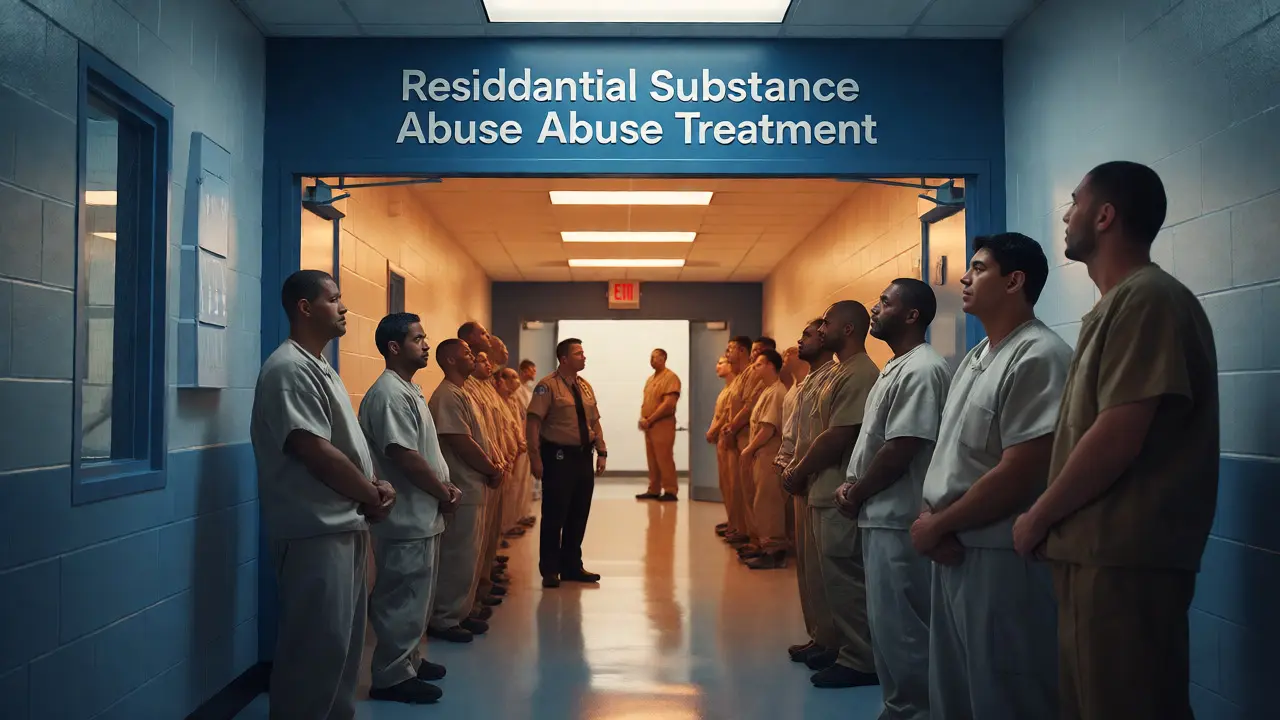
Imagine walking into a county jail not just to serve time, but to get sober. For thousands of people caught in the revolving door of the criminal justice system, this is exactly what Residential Substance Abuse Treatment (RSAT) programs offer. These aren't your average counseling sessions you might find in a community clinic. They are intensive, structured interventions housed directly within correctional facilities, designed to break the cycle of addiction and incarceration before it becomes permanent.
You might be wondering why a jail would care about your sobriety when its primary job seems to be punishment. The reality is that jails are overwhelmed. A significant percentage of inmates enter custody with active substance use disorders. Without treatment, they leave, relapse, commit another crime, and return. RSAT programs aim to interrupt this pattern. But how do they actually work? Who gets in? How long does it last? And crucially, what happens when you walk out those gates?
The Core Mission of Jail-Based RSAT
At its heart, an RSAT program is a therapeutic community model adapted for the harsh environment of a jail. Unlike outpatient services, these programs require participants to live in a dedicated housing unit separate from the general population. This separation is vital. It creates a controlled environment where triggers are minimized, and peer support is constant.
The goal isn't just to keep you busy. It's to change behavior. Research consistently shows that untreated addiction drives recidivism rates up by nearly 50%. By addressing the root cause-substance dependence-jails can reduce their own overcrowding problems while helping individuals reclaim their lives. The federal government backs this approach through grants administered by the Bureau of Justice Assistance, recognizing that treating addiction in custody is more cost-effective than repeated arrests and trials.
Eligibility: Who Qualifies for RSAT?
Not everyone who wants to join an RSAT program can get in. Space is limited, often capped at 20 to 40 beds per facility, so selection criteria are strict. If you're hoping to enroll, you need to meet specific legal and clinical benchmarks.
First, there’s the legal side. Most programs prioritize non-violent offenders or those whose crimes were directly linked to substance use. Think theft, possession, or minor fraud driven by addiction. Violent felonies often disqualify applicants, though some progressive jurisdictions have started making exceptions if the violence was clearly fueled by intoxication and the individual has shown genuine remorse and stability.
Second, clinical assessment is mandatory. You’ll undergo screening using tools like the Addiction Severity Index (ASI). Counselors look for evidence of moderate to severe substance use disorder. If you’re only a casual user without physical dependence, you might be referred to educational workshops instead. Also, mental health status matters. While co-occurring disorders like depression or anxiety are common, unmanaged psychosis or severe personality disorders might make the group therapy dynamic too volatile for standard RSAT units.
- Legal Status: Typically awaiting trial or serving short sentences (under 18 months).
- Criminal History: Preference for non-violent offenses tied to substance use.
- Clinical Need: Documented history of substance abuse requiring residential intervention.
- Mental Health: Stable enough to participate in group therapy; no acute psychiatric crises.
Inside the Unit: Structure and Daily Life
Once accepted, life inside the RSAT unit looks different from general population housing. The day is highly structured, mirroring the discipline needed for recovery. Mornings usually start with medication-assisted treatment (MAT) if prescribed, followed by breakfast and morning meetings. These aren't optional chats; they are formal check-ins where participants report on their emotional state and previous night’s sleep.
The bulk of the day involves cognitive-behavioral therapy (CBT) groups. Here, you learn to identify triggers and reframe thought patterns that lead to using. For example, instead of thinking "I'm stressed, so I need a drink," you learn to recognize stress as a signal to use coping skills learned in therapy. Peer mentoring is also central. Older participants or those further along in the program guide newer members, creating a hierarchy of accountability.
Vocational training and GED preparation are often integrated. Many RSAT units partner with local workforce development agencies. You might spend afternoons learning computer basics, welding, or culinary skills. This dual focus on psychological health and employability addresses two major barriers to reentry: addiction and unemployment.

Duration: How Long Does Treatment Last?
This is a tricky question because jail sentences vary wildly. Ideally, clinical guidelines suggest 90 days of residential treatment for meaningful behavioral change. However, many jail-based RSAT programs operate on shorter timelines due to logistical constraints.
| Jurisdiction Type | Average Sentence Length | Typical RSAT Duration | Effectiveness Note |
|---|---|---|---|
| County Jails | 3-6 Months | 30-90 Days | High turnover limits depth of therapy |
| State Prisons | 1-5 Years | 6-12 Months | Allows for deeper therapeutic work |
| Federal Facilities | Variable | 3-9 Months | Strict adherence to BOP standards |
In county jails, where churn is high, you might only stay in the RSAT unit for 30 to 60 days. This is often called "shock incarceration" style treatment-intense, short bursts meant to create a wake-up call. State prisons, with longer stays, can offer full 9-to-12-month therapeutic communities. The key takeaway? Longer duration generally correlates with better outcomes, but even short-term exposure reduces immediate post-release relapse compared to no treatment.
The Critical Link: Aftercare and Reentry
Here is where most jail-based programs succeed or fail. Walking out of jail with a certificate in hand means little if you step back into the same neighborhood, the same friends, and the same lack of resources. Effective RSAT programs don't end at the gate; they extend into the community through robust aftercare linkages.
Before release, case workers arrange appointments for outpatient counseling, Narcotics Anonymous (NA) meetings, and medical follow-ups. Some jurisdictions use a "halfway house" model, where participants transition to a supervised living facility before going home independently. This bridge prevents the sudden shock of freedom from triggering immediate relapse.
Technology plays a growing role here. Mobile apps now allow participants to log sobriety milestones, connect with sponsors remotely, and receive reminders for medications. In states like Ohio and Texas, pilot programs use electronic monitoring combined with random drug testing during the first 90 days post-release. If you test positive, you don't automatically go back to jail; instead, you return to the treatment provider for intensified services. This "graduated response" model keeps people accountable without resorting to incarceration.

Challenges and Realities
Let's be honest: jail-based treatment isn't a magic bullet. Funding is inconsistent. When budgets tighten, RSAT units are often the first to face cuts. Staff turnover is high, meaning counselors may not stay long enough to build deep trust with participants. Additionally, the stigma of being labeled an "addict" persists within the correctional culture, sometimes isolating RSAT participants from other inmates who view them as weak.
Another hurdle is continuity of care. Insurance gaps upon release can disrupt access to MAT medications like methadone or buprenorphine. If a participant loses Medicaid eligibility while incarcerated, they might struggle to afford prescriptions immediately after discharge. Successful programs navigate this by coordinating with social security offices and local health departments well before release dates.
Why It Matters Beyond the Individual
When RSAT works, the benefits ripple outward. Families stabilize because a parent stops using drugs. Communities see fewer petty crimes related to funding habits. Taxpayers save money-studies indicate that every dollar spent on prison-based treatment saves between $4 and $7 in future criminal justice costs. For the participant, the biggest win isn't just avoiding jail time; it's regaining agency over their life. Sobriety opens doors to employment, stable housing, and restored relationships that addiction had locked shut.
Do all jails have RSAT programs?
No, availability varies significantly by location and funding. Larger county jails and state prisons are more likely to have dedicated RSAT units. Smaller rural jails may rely on contracted community providers or offer minimal educational programming instead. Always check with the specific facility's intake department for current offerings.
Can I choose to join an RSAT program?
You can request it, but acceptance depends on eligibility criteria and bed availability. Judges sometimes mandate participation as part of sentencing, especially in drug court models. If you are already incarcerated, speak with your case manager or chaplain early in your sentence to express interest and complete necessary screenings.
What happens if I violate program rules?
Violations, such as failing a drug test or breaking curfew, usually result in disciplinary action rather than immediate expulsion. Minor infractions might mean extra chores or loss of privileges. Serious violations could lead to removal from the unit and return to general population. However, many programs offer a second chance if the violation is addressed therapeutically.
Is medication-assisted treatment available in jail RSAT?
Increasingly, yes. While historically some jails banned methadone or buprenorphine, modern best practices encourage continuing MAT for opioid use disorders. Stopping MAT abruptly increases overdose risk upon release. Policies differ by state, so verify whether the specific jail supports ongoing MAT prescriptions.
Does completing RSAT guarantee no re-arrest?
No program guarantees zero re-arrests. Recovery is a lifelong process. However, data shows that completers have significantly lower recidivism rates compared to those who do not participate. Success heavily depends on engaging with aftercare services and maintaining sobriety in the community.