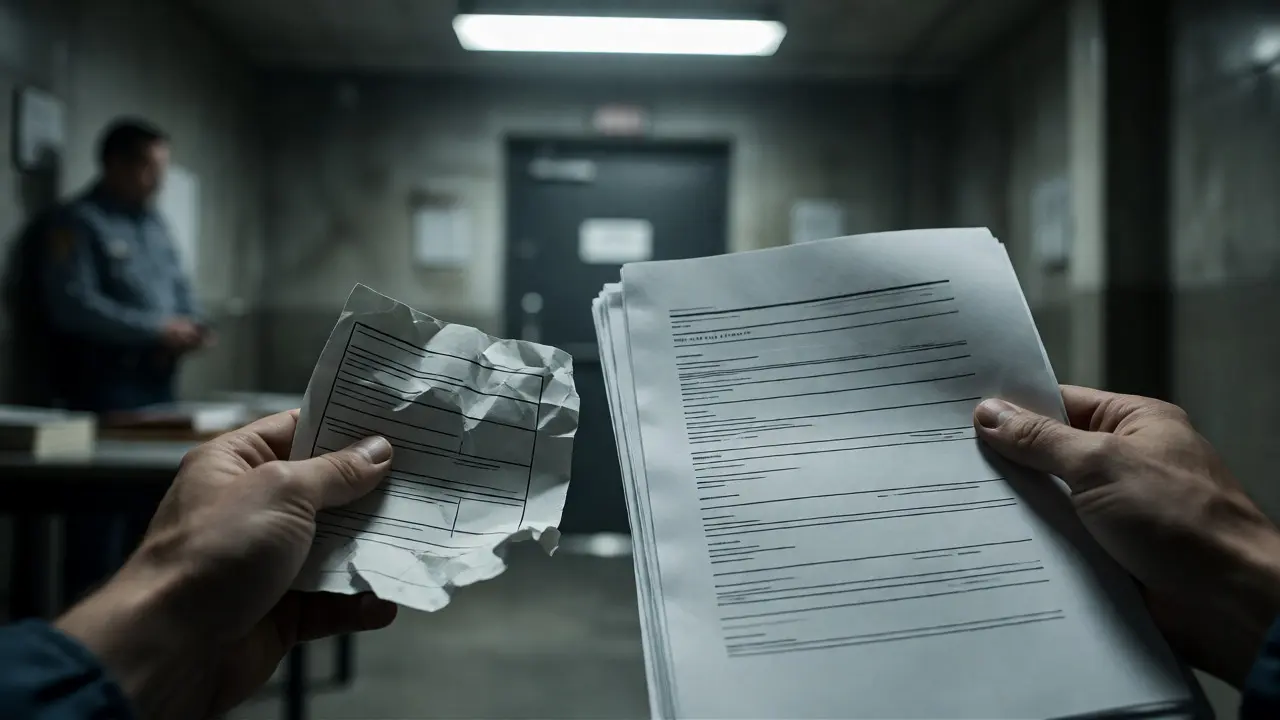
Getting hit with a major misconduct ticket or stuck in the wrong security level can feel like hitting a wall. You might think you have no voice, but that is not true. Prison discipline and classification decisions are administrative actions, not final verdicts from a judge. They follow specific rules, and if those rules are broken, you have legal channels to fight back. This isn't about winning every argument; it's about following the procedure correctly so your case gets heard.
Understanding the Difference Between Discipline and Classification
Before you start writing letters, you need to know what you are actually appealing. These are two different beasts. Discipline is about punishment for rule-breaking. Did you get caught with contraband? Were you involved in a fight? The outcome here is usually loss of privileges, solitary confinement, or good time credits.
Classification, on the other hand, determines where you live and how much freedom you have. It assigns a security level-minimum, medium, or maximum. This decision affects your job options, housing unit, and even when you might be eligible for parole. While discipline is reactive (punishing an act), classification is proactive (managing risk). Confusing the two leads to filing the wrong paperwork. If you were punished for fighting, you appeal the discipline. If they moved you to a higher-security wing because they think you're high-risk, you appeal the classification.
The Exhaustion Requirement: Why Procedure Matters More Than Facts
Here is the hard truth most inmates miss: courts rarely look at whether you are innocent or guilty until you have exhausted all internal administrative remedies. This is called the exhaustion requirement. Under the Prison Litigation Reform Act (PLRA), which applies in federal prisons and many state systems, you must use every step of the prison's internal grievance process before a judge will even read your lawsuit.
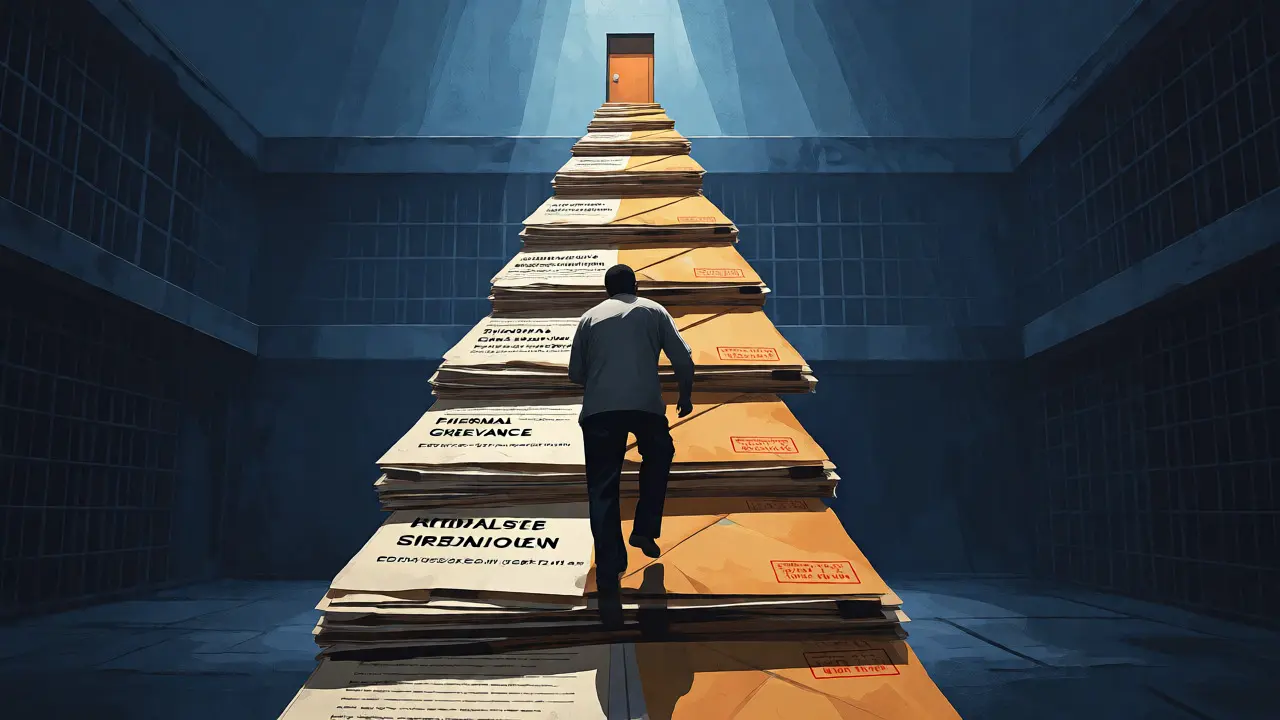
Think of it like climbing a ladder. You cannot skip rungs. If your facility has three steps-informal resolution, formal grievance, and director review-you must do all three. If you skip one, your case gets thrown out, regardless of how unfair the punishment was. Keep copies of everything. Date stamps matter. If the mailroom loses your grievance, you need proof you sent it. Without that paper trail, you have nothing.
Navigating the Internal Grievance Process
Most facilities require you to try to resolve issues informally first. This means talking to a counselor or supervisor within a set timeframe, often 7 to 14 days after the incident. Do this immediately. Write down who you spoke to and when. If that fails, you file a formal grievance. This is not a place to rant. Stick to facts.
- State the issue clearly: "I received a Class A misconduct ticket on [Date] for possession of unauthorized items."
- Cite the violation: Explain exactly which procedural rule was broken. Was the hearing held too late? Were you denied witnesses? Did the officer refuse to read the evidence?
- Attach evidence: Include statements from witnesses, copies of the ticket, or photos if allowed.
If the initial hearing officer denies your appeal, you move to the next level. This is usually a warden or a disciplinary committee. At this stage, focus on procedural errors. For example, in Wolff v. McDonnell, the Supreme Court ruled that inmates facing serious disciplinary sanctions have a right to advance written notice of charges, a written statement of evidence, and the opportunity to call witnesses. If the hearing officer ignored these basics, highlight that specific failure.
Challenging Classification Decisions Specifically
Classification appeals are trickier because they involve subjective judgments about risk. Prisons use tools like the Inmate Risk Assessment to score factors like criminal history, escape attempts, and conduct reports. A single bad conduct report can bump you up a level, restricting your access to jobs and programs.
To challenge this, you don't argue that you are a "good person." You argue that the data used was inaccurate or irrelevant. Did they count a minor infraction from five years ago as a current threat? Did they ignore positive program completions? Show the math. If the scoring sheet shows you were penalized for something that doesn't match the official criteria, point it out. In some states, you can request a re-evaluation after a certain period of clean behavior, typically six months to a year. Mark your calendar. Don't wait for them to remember you.
When to Go to Court: Section 1983 Claims
If you have exhausted all internal appeals and still face unjust treatment, you might consider a civil lawsuit. This is usually done under 42 U.S.C. § 1983, a federal law that allows individuals to sue state officials for violating their constitutional rights.
You aren't suing because you dislike the warden. You are suing because your Due Process rights were violated. Due process means fair procedures. If the prison arbitrarily changed your classification without reason, or if the disciplinary board acted with bias, that is a due process issue. However, courts give prison administrators wide discretion. They assume experts know best about security risks. To win, you need to show that the decision was arbitrary, capricious, or completely unsupported by evidence. It is a high bar, but not impossible.
| Feature | Discipline Appeal | Classification Appeal |
|---|---|---|
| Main Goal | Remove penalty (solitary, lost good time) | Change security level/housing |
| Timeframe | Very short (often 7-14 days to file) | Ongoing (can request periodic review) |
| Key Argument | Procedural error (no witness, no notice) | Data error (inaccurate risk score) |
| Legal Standard | Substantial evidence required | Rational basis review |

Common Pitfalls That Kill Cases
Many appeals fail not because the inmate is wrong, but because of simple mistakes. First, missing deadlines. If the handbook says you have 10 days to appeal, and you file on day 11, you lose. Second, emotional language. Writing "The guard hated me" is weak. Writing "Officer Smith refused to call my witness, John Doe, despite my written request" is strong. Third, failing to preserve evidence. If you don't ask for the video footage immediately, it might be overwritten. Send a preservation letter right away.
Another trap is assuming a new hearing officer will fix everything. Often, the second reviewer just rubber-stamps the first decision. To break this cycle, your second appeal must explicitly explain why the first reviewer's reasoning was flawed. Quote their decision and rebut it point-by-point. Don't just repeat your original complaint.
Leveraging Legal Aid and Pro Se Resources
You don't always need a private lawyer. Many organizations offer free help for prisoners. Groups like the American Civil Liberties Union (ACLU) or local legal aid societies often handle cases involving systemic violations or clear due process failures. Additionally, prison libraries provide resources like the Jailhouse Lawyers Handbook. Use these guides to draft your own filings. Courts accept pro se (self-represented) litigants, but they expect your paperwork to be neat and legible. Type it if possible. If you write by hand, print clearly.
Remember, the goal of legal channels is not revenge. It is to ensure the system follows its own rules. When you document every step, cite specific regulations, and stay factual, you force the administration to justify their actions. That is how you turn a routine grievance into a successful appeal.
Do I need a lawyer to file a prison grievance?
No, you do not need a lawyer to file internal grievances. Most prison systems allow inmates to represent themselves in the administrative process. However, having legal advice can help ensure you meet strict deadlines and format requirements, especially if you plan to escalate the case to court later.
What happens if I miss the deadline to appeal?
If you miss the deadline, your appeal is usually considered waived, meaning you lose the right to challenge the decision internally. Some facilities allow for "good cause" extensions if you can prove you were physically unable to file (e.g., medical emergency or lockdown). Always check your specific facility's handbook for extension policies.
Can I appeal a classification decision if I haven't been disciplined recently?
Yes. Classification reviews are separate from disciplinary hearings. Even without recent misconduct, you can request a re-evaluation of your security level based on improved behavior, completed programs, or changes in your risk assessment profile. Many systems mandate periodic reviews, such as annually or biannually.
What is the Prison Litigation Reform Act (PLRA)?
The PLRA is a federal law enacted in 1996 that restricts prisoner lawsuits. Its key provision requires inmates to exhaust all available administrative remedies (internal grievances) before filing a federal lawsuit regarding prison conditions or treatment. Failure to exhaust these remedies results in dismissal of the lawsuit.
Does winning a disciplinary appeal restore good time credits?
Generally, yes. If a disciplinary conviction is overturned through the appeal process, any penalties associated with that conviction, including the loss of good time credits, should be reversed. Ensure the final order of reversal explicitly states that credits are restored.