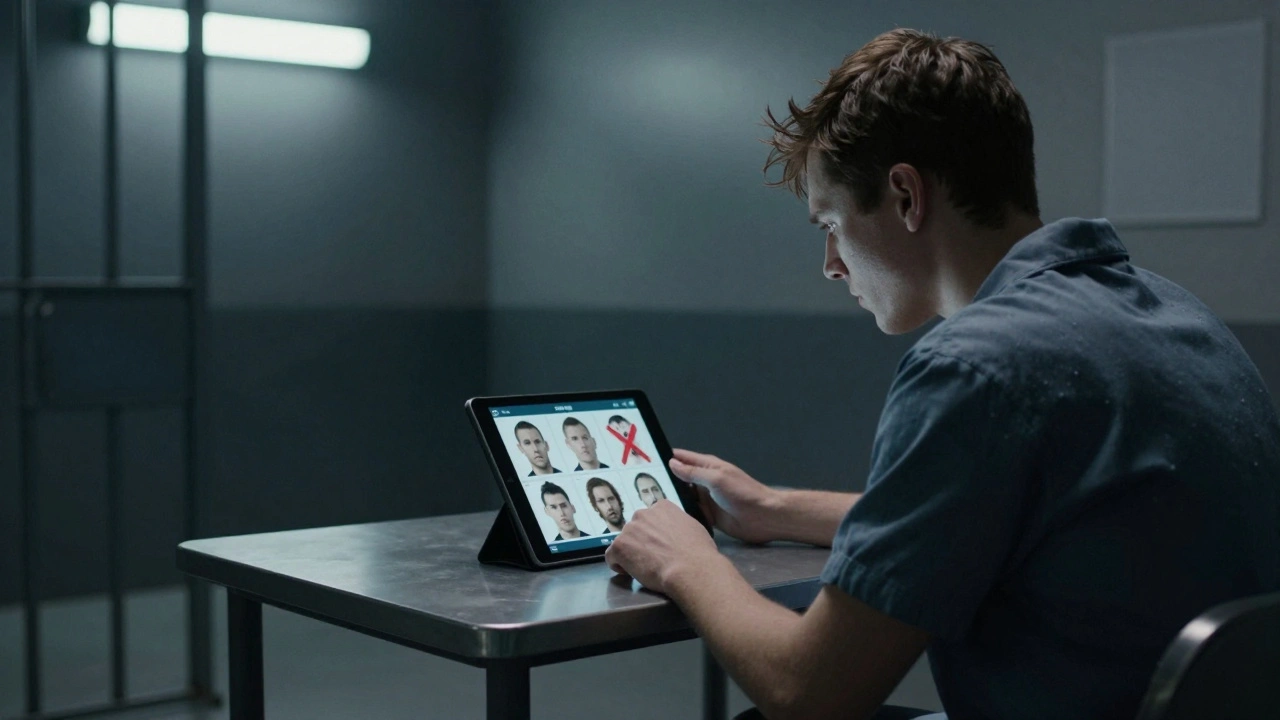
When someone is locked up, the prison environment doesn’t just take away their freedom-it can change how their brain works. Research now shows that incarceration itself can weaken key thinking skills like controlling impulses, recognizing emotions in others, and managing anger. But here’s the real question: can therapy help reverse this? Measuring reductions in antisocial cognition during incarceration isn’t just academic-it’s the key to knowing if rehabilitation programs actually work.
What Exactly Is Antisocial Cognition?
Antisocial cognition refers to the mental patterns that make someone more likely to act aggressively, lie, manipulate, or ignore the feelings of others. These aren’t just personality traits. They’re measurable brain functions. Studies show that people with high levels of antisocial cognition struggle with three core skills:- Cognitive control - The ability to stop yourself from acting on impulse, even when something feels urgent or exciting.
- Emotion regulation - How well you can calm yourself down when angry, frustrated, or provoked.
- Emotion recognition - The capacity to read facial expressions, especially fear or sadness, which helps you understand how your actions affect others.
The Hidden Cost of Incarceration
A major study tracked 197 adolescent males in prison over four months. What they found was shocking. Even without any therapy, these teens showed clear declines in all three cognitive areas. Cognitive control dropped significantly (p = 0.001). Emotion regulation got worse too (p = 0.018). And their ability to recognize fear in others? It slipped. This wasn’t just correlation-it was direct measurement. The prison environment itself was making their brains less capable of controlling behavior. Why does this matter? Because if your brain can’t recognize fear in someone else, you’re less likely to feel remorse. If you can’t stop yourself from reacting to anger, you’re more likely to get into fights-even inside prison. And if you can’t regulate your emotions, you’re more likely to break rules, get punished, and end up in solitary confinement. The system isn’t just punishing behavior-it’s making the behavior worse.Can Therapy Actually Help?
In that same study, half the group got a special intervention: Cognitive Behavioral Therapy combined with Mindfulness Training (CBT/MT). The other half got standard programming-like group discussions or educational classes. The results? The CBT/MT group didn’t get worse. Their cognitive control stayed steady. Their emotion regulation didn’t drop as much. It wasn’t a cure. But it was a buffer. Think of it like this: incarceration is a slow leak in your brain’s ability to function. CBT/MT didn’t fix the leak. But it slowed it down. That’s huge. In a system where most programs do nothing-or make things worse-this was progress. But here’s the catch: even the therapy group didn’t improve. They just didn’t decline as fast. That’s not the same as getting better. In the outside world, cognitive training can help people get sharper. In prison, the best you can hope for is to stop getting worse.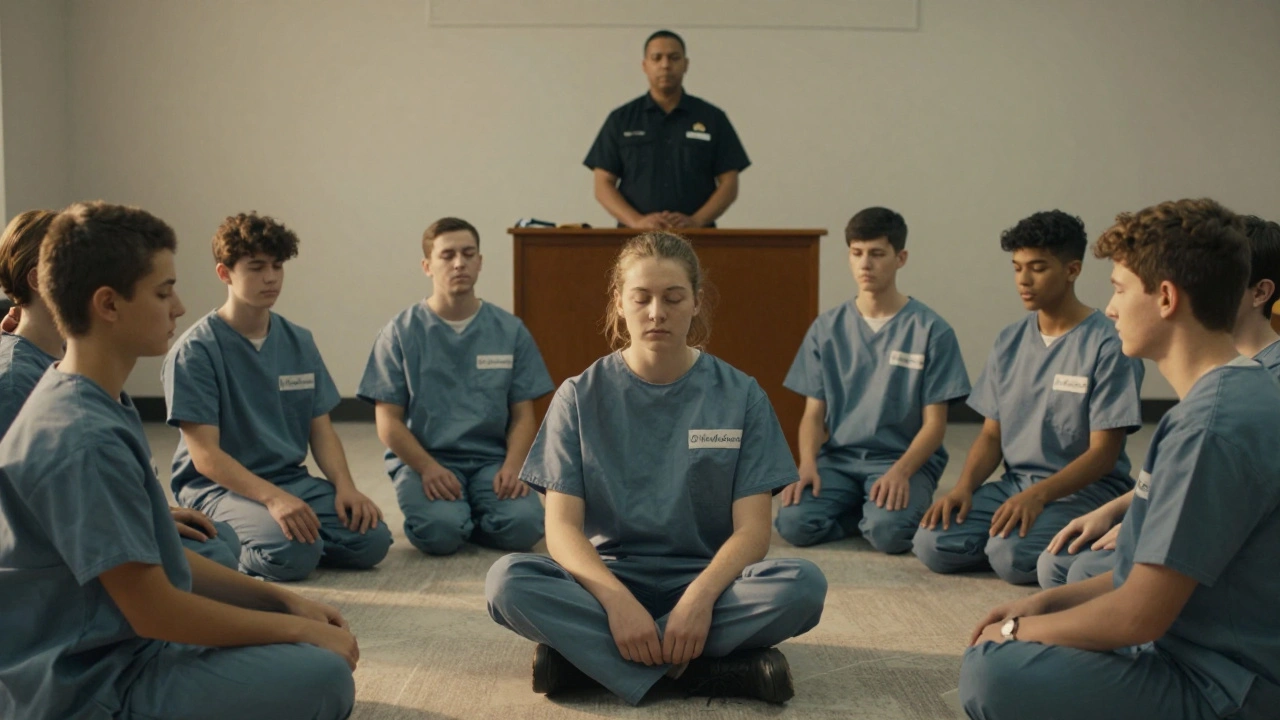
What’s Being Measured-and How
You can’t just ask someone, "Do you feel more in control?" You need hard numbers. That’s why researchers use computerized tests:- False alarm rates - How often someone presses a button when they shouldn’t. This measures impulse control.
- Emotion recognition accuracy - How often someone correctly identifies fear, anger, or sadness in photos of faces.
- Task-switching speed - How quickly someone can shift between different mental tasks, like switching from counting numbers to naming colors.
Why Some People Don’t Improve
Not everyone in prison has the same brain profile. About 47% of incarcerated people meet the criteria for Antisocial Personality Disorder (ASPD). But not all ASPD is the same. Some people are more impulsive. Others are more cold and calculating. And here’s the twist: formerly incarcerated people with ASPD actually report more remorse than non-incarcerated people with ASPD. That contradicts everything we assumed. This suggests that prison doesn’t just harden people-it changes them in unpredictable ways. Some become more aware of their actions. Others shut down. You can’t treat them all the same. A one-size-fits-all therapy won’t work. You need to measure each person’s cognitive profile first.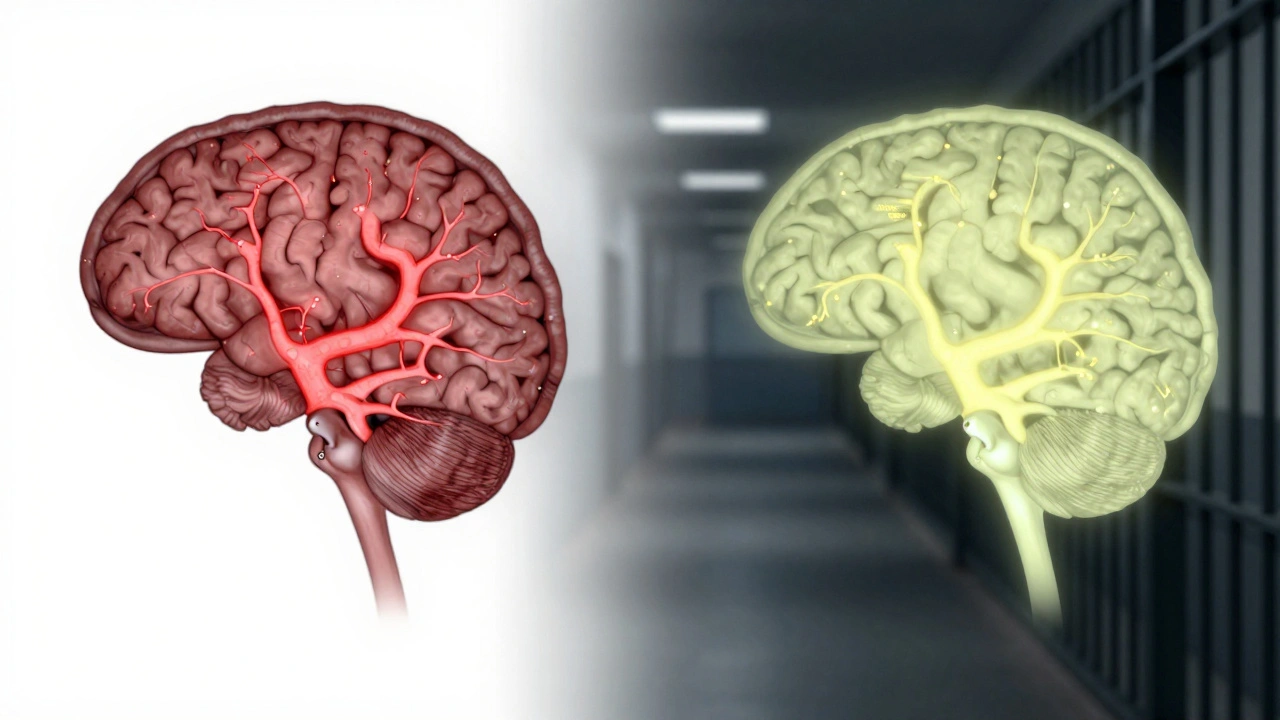
The Big Missing Piece
We still don’t know if these cognitive improvements last. Did the teens who didn’t decline as much in prison stay calmer after they got out? Did they get arrested less? Did they hold jobs? We don’t have long-term data. Most studies end at release. But real success isn’t measured in prison. It’s measured on the outside. And here’s another gap: we don’t know if better cognition leads to less crime. Maybe someone learns to control their impulses in prison but still can’t find work. Maybe they return to the same neighborhood, the same pressures, the same triggers. Therapy helps the brain-but the world doesn’t change.What’s Next?
The next step isn’t more therapy. It’s better measurement. We need to track the same people after release. We need to link cognitive scores to arrest records, job history, and housing stability. We need to test whether improving emotion recognition reduces violent incidents inside prison. We need to test whether cognitive gains predict parole success. Right now, prisons run programs because they look good on paper. But if we can measure real cognitive change-and link it to real outcomes-we can stop wasting money on programs that don’t work. And we can scale the ones that do.Final Thought
Incarceration doesn’t just punish. It reshapes. But if we stop seeing prisoners as broken people and start seeing them as brains under stress, we can start fixing the system. The goal isn’t to make them "better." It’s to stop making them worse. And that starts with measurement.Can cognitive therapy actually improve brain function in incarcerated people?
Current evidence shows therapy doesn’t improve brain function-it prevents decline. In prison, the environment itself causes cognitive loss. Programs like CBT/MT don’t make people smarter or more empathetic. But they stop them from getting worse. That’s progress in a system where most people deteriorate.
What specific cognitive skills are measured in prison studies?
Three core skills are tracked: cognitive control (impulse inhibition), emotion regulation (managing anger and stress), and emotion recognition (identifying fear or sadness in others). These are measured using computerized tasks like go/no-go tests and facial emotion recognition trials, with false alarm rates and accuracy scores providing objective data.
Why is emotion recognition so important in antisocial behavior?
People who can’t recognize fear in others are less likely to feel empathy or remorse. This is especially true in those with antisocial traits. Studies show that difficulty identifying fear expressions is one of the strongest predictors of aggressive behavior, both inside and outside prison. Improving this skill helps break the cycle of violence.
Do all incarcerated people have the same cognitive deficits?
No. About 47% meet criteria for Antisocial Personality Disorder, but their deficits vary. Some struggle with impulse control, others with emotional numbness. Surprisingly, formerly incarcerated people with ASPD report higher levels of remorse than non-incarcerated peers. This shows prison changes people in complex ways-not just by hardening them.
Why don’t we know if cognitive gains last after release?
Most studies stop at release. Tracking people after they leave prison is logistically hard and expensive. Without long-term data, we can’t tell if improved cognition leads to fewer arrests, better jobs, or stable housing. That’s the biggest gap in the field right now.