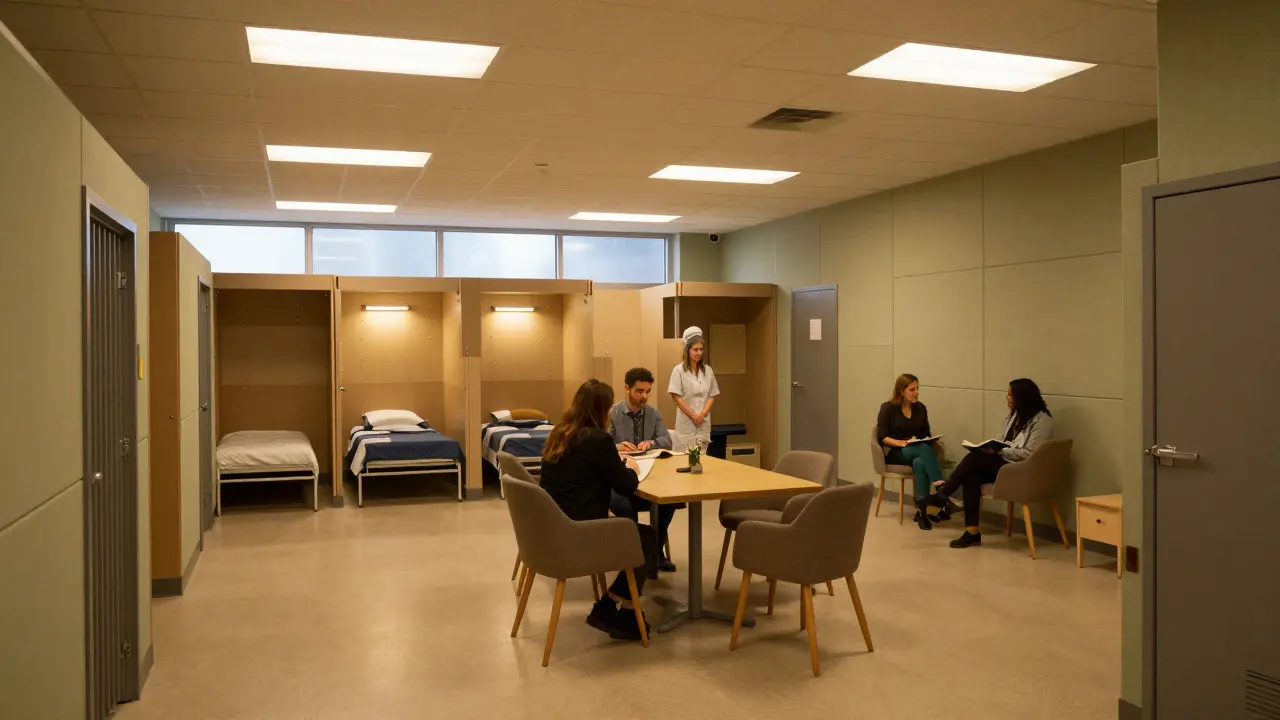
Walk into a standard jail cell block and you’ll likely hear the clanging of metal doors, see fluorescent lights humming overhead, and feel the sterile, cold atmosphere. Now imagine a different space: a small, enclosed unit with soft lighting, a dedicated quiet corner, and staff who speak in calm, measured tones. This is the reality of specialized mental health housing pods, a growing solution in modern correctional facilities aimed at stabilizing inmates with acute psychiatric needs before they return to general population or face trial.
These pods aren't just fancy rooms; they are structured environments designed to reduce chaos, prevent self-harm, and provide immediate therapeutic intervention. For facility administrators, the goal is clear: keep patients safe while minimizing the use of seclusion cells. For inmates, it’s about getting help that feels less like punishment and more like care. Understanding how these units work, what they look like, and what happens inside them reveals a critical shift in how we handle mental illness behind bars.
The Core Structure of Mental Health Pods
A typical mental health pod consists of four to eight individual sleeping areas arranged around a central common room. Unlike traditional segregation wings, which often feature concrete walls and minimal amenities, pods prioritize sensory regulation. The architecture itself is part of the treatment plan.
- Sensory Control: Lighting is dimmable and warm-toned to mimic natural daylight cycles, reducing agitation caused by harsh artificial light. Noise levels are monitored, with sound-dampening materials installed on walls and ceilings.
- Safe Spaces: Each sleeping area includes a bed, a chair, and limited personal storage. Sharp objects are rare, and furniture is bolted down to prevent weaponization. Windows, if present, are covered with polycarbonate glass to prevent breakage but allow some view of the outside world.
- Common Area: The heart of the pod is the shared space where group activities occur. It usually contains a table, chairs, and sometimes a television or reading nook. This area is supervised but not constantly patrolled, allowing for a sense of community among residents.
Staffing ratios in these pods are significantly higher than in general population. A single nurse or mental health technician might oversee an entire wing in a standard jail, but in a pod, you might have one clinician for every two or three inmates during waking hours. This high-touch approach allows for real-time observation of behavioral changes, such as withdrawal or agitation, enabling early intervention.
Therapeutic Activities Inside the Pod
The physical structure sets the stage, but the daily routine drives the healing process. Therapeutic activities in mental health pods are not optional extras; they are prescribed treatments. The schedule is rigid yet flexible, balancing structure with autonomy.
- Morning Check-ins: The day starts with a brief meeting between the clinical team and each resident. This isn’t just a vitals check; it’s an opportunity to discuss sleep quality, mood, and any immediate concerns. Medication is administered here, ensuring compliance without the stress of a crowded medication line.
- Group Therapy Sessions: Held twice daily, these sessions focus on cognitive-behavioral techniques (CBT) tailored to the criminal justice context. Topics range from anger management to coping with trauma. Because the group size is small (under ten), participation is easier, and peer support becomes a powerful tool.
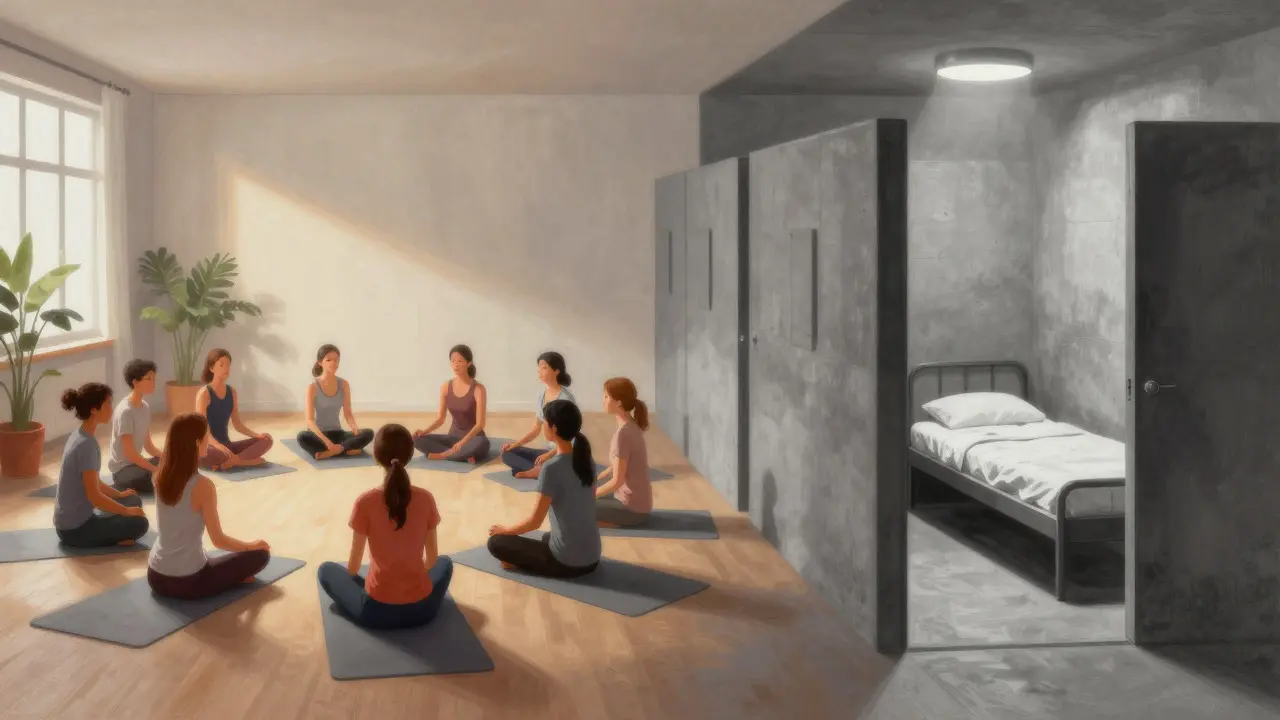
- Physical Activity: Exercise is mandatory but low-impact. Yoga, stretching, and walking groups help release tension and improve sleep hygiene. In many facilities, outdoor time is restricted due to security concerns, so indoor movement spaces are crucial.
- Creative Outlets: Art therapy, journaling, and music listening are encouraged. These non-verbal methods allow inmates to express emotions that might be too difficult to put into words. A simple sketchbook can become a lifeline for someone struggling with anxiety.
- Family Visits: When possible, private video calls or in-person visits are facilitated within the pod. Maintaining family connections reduces recidivism rates and provides a stable emotional anchor for the inmate.
The key difference here is consistency. In general population, therapy might happen once a week if you’re lucky. In a pod, it’s part of the fabric of the day. This frequency helps build trust between the inmate and the clinical team, making long-term treatment more effective.
Comparing Pod Environments to Traditional Segregation
To understand why pods are gaining traction, we need to compare them to the status quo: administrative segregation, often called "the hole." Both isolate inmates, but their purposes and outcomes differ drastically.
| Feature | Mental Health Pod | Administrative Segregation |
|---|---|---|
| Primary Goal | Stabilization and Treatment | Punishment or Security Isolation |
| Lighting/Environment | Dimmable, Warm, Sound-dampened | Bright, Harsh, Echoey |
| Staff Ratio | High (1:2 or 1:3) | Low (1:10+) |
| Daily Routine | Structured Therapy & Activities | Limited Movement, Minimal Interaction |
| Duration | Short-term (7-30 days typically) | Indefinite or Long-term |
| Psychological Impact | Reduced Anxiety, Improved Coping Skills | Increased Risk of Depression/Suicide |
Data from various state departments of corrections shows that inmates placed in therapeutic pods have lower incident reports of self-harm compared to those in segregation. However, this isn’t magic. It requires trained staff, adequate funding, and a genuine commitment to treating mental illness rather than just managing behavior.

Challenges in Implementation
Building and running these pods isn’t easy. Facilities face budget constraints, staffing shortages, and resistance from officers who may view mental health patients as "difficult" rather than "sick." Training is the biggest hurdle. Corrections officers often receive only a few hours of mental health training per year, which isn’t enough to handle complex psychiatric cases.
Another challenge is transition. When an inmate leaves the pod and returns to general population, the support system disappears. Without a step-down program or continued outpatient-style therapy in the main jail, relapse is common. Successful programs integrate pod graduates into general population with assigned mentors and regular check-ins, bridging the gap between intensive care and normal life.
Best Practices for Facility Managers
If you’re involved in jail administration or policy-making, here are practical steps to ensure your mental health pods work effectively:
- Invest in Staff Training: Require annual certification in de-escalation and psychiatric first aid for all pod staff.
- Design for Dignity: Avoid institutional aesthetics. Use colors, textures, and layouts that promote calm.
- Monitor Outcomes: Track readmission rates, incident reports, and patient satisfaction surveys to adjust protocols.
- Partner with Community Clinics: Collaborate with local mental health providers to create continuity of care post-release.
Ultimately, specialized mental health housing pods represent a move away from punitive isolation toward therapeutic engagement. They don’t solve every problem in the justice system, but they offer a tangible, evidence-based way to treat the most vulnerable inmates with dignity and effectiveness.
How long do inmates stay in a mental health pod?
Most stays are short-term, ranging from seven to thirty days. The goal is stabilization, not long-term confinement. Once an inmate is deemed stable, they are transferred back to general population or prepared for court/release.
Are mental health pods available in all jails?
No, they are still being rolled out. Larger urban jails and county facilities with dedicated mental health budgets are more likely to have them. Smaller rural jails may lack the resources for full pod structures but can implement similar therapeutic routines in modified segregation units.
What kind of staff works in these pods?
A multidisciplinary team including licensed clinical social workers, registered nurses, psychiatrists (via telehealth or on-site), and specially trained corrections officers. The mix ensures both medical and security needs are met.
Do inmates choose to go into a pod?
Usually, placement is determined by clinical assessment after intake or following a crisis event. While voluntary admission is ideal, many placements are mandatory when safety is a concern. However, the environment is designed to encourage cooperation rather than force compliance.
How does a pod differ from a hospital psychiatric ward?
While similar in therapeutic goals, jail pods operate under security protocols. Patients wear uniforms, have limited privacy, and face stricter rules regarding movement and possessions. Hospital wards focus solely on medical treatment, whereas pods balance treatment with custody requirements.