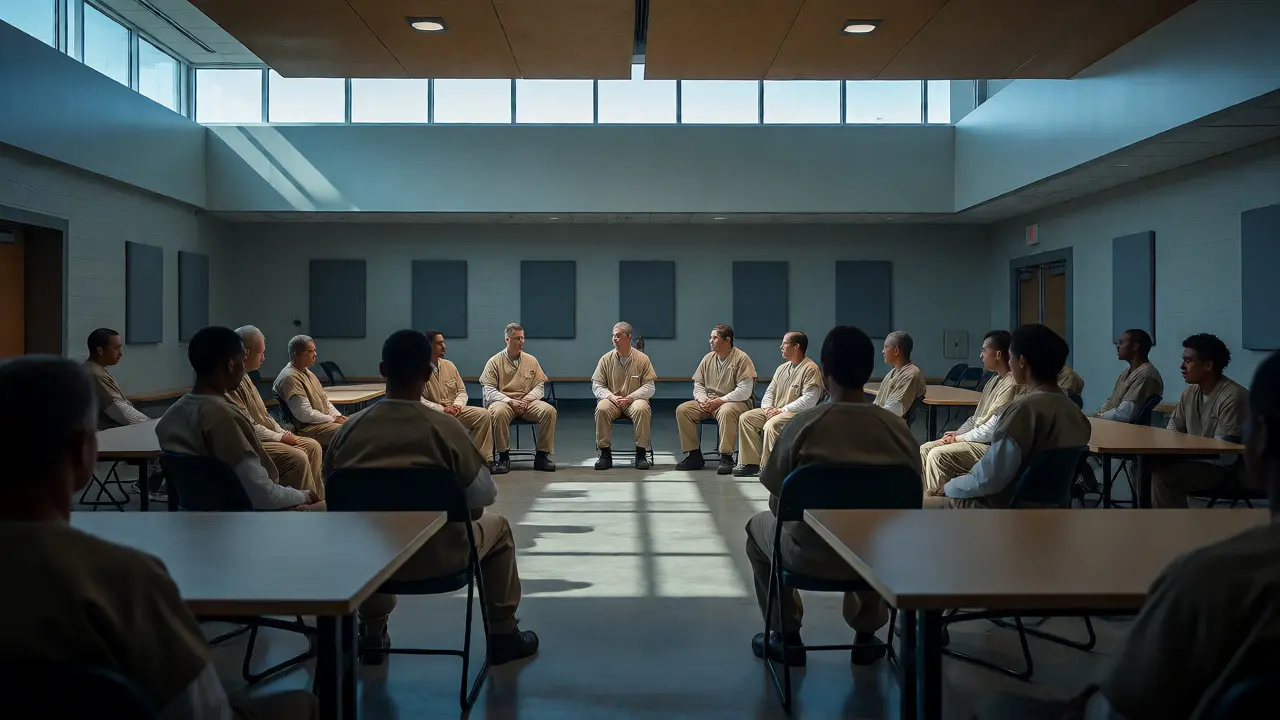
Imagine waking up in a jail cell, not to the sound of clanging metal or shouting guards, but to a structured routine designed to keep you sober. For many people struggling with substance use disorders, jail is where they hit rock bottom, but it can also be where they find their footing. This is the promise of recovery pods: specialized housing units within correctional facilities that use peer support models to help inmates maintain sobriety during their stay.
Traditional jails are chaotic environments where drugs and alcohol often flow freely despite strict prohibitions. Keeping someone clean in that environment is incredibly hard. That is why more systems are turning to recovery pods. These aren't just rooms with comfortable beds; they are carefully engineered ecosystems that mimic the supportive structures found in community treatment centers. If you are a policymaker, a corrections officer, or an advocate trying to reduce recidivism, understanding how these pods work-and fail-is crucial.
The Core Concept Behind Recovery Pods
A recovery pod is a segregated housing unit within a jail or prison dedicated exclusively to individuals committed to abstinence from substances. Unlike general population units, these pods operate under a therapeutic community model. The central idea is simple: surround the individual with peers who share the same goal, remove environmental triggers, and provide constant accountability.
This approach draws heavily from the Therapeutic Community (TC) model, which has been used in residential rehab settings for decades. In a TC, the community itself is the primary agent of change. Peers challenge each other’s behaviors, offer feedback, and celebrate small victories. When adapted for a jail setting, this model helps bridge the gap between punitive incarceration and rehabilitative care. It shifts the focus from punishment alone to behavioral modification.
Why does this matter? Because standard jail stays rarely address the root causes of addiction. Without intervention, inmates return to the streets with the same cravings and few coping skills. Recovery pods aim to interrupt that cycle by embedding recovery into the daily fabric of life behind bars.
Designing the Physical Environment
You cannot have effective peer support in a hostile, noisy, and overcrowded space. The physical design of a recovery pod matters as much as its programming. Successful pods prioritize safety, visibility, and comfort while maintaining security protocols.
First, layout is critical. Most effective designs use a "podular" architecture, where cells open onto a common dayroom rather than a long corridor. This allows for better sightlines and easier monitoring by staff and peers. The dayroom should feel less like a cage and more like a communal living room. Think durable furniture, natural light if possible, and spaces designated for group meetings versus private conversations.
Second, minimize sensory overload. Jails are loud. Constant yelling, banging doors, and alarms trigger stress, which is a major relapse driver. Recovery pods often employ sound-dampening materials and stricter noise control policies. Quiet hours are enforced rigorously. A calm environment reduces anxiety, making it easier for residents to engage in therapy and reflection.
Third, create distinct zones. There should be a clear separation between sleeping areas, meeting spaces, and administrative zones. This spatial organization helps reinforce structure. When a resident enters the meeting area, they know it is time to talk. When they enter the sleeping quarter, it is time to rest. Predictability lowers cognitive load, allowing mental energy to go toward recovery rather than survival.
The Role of Peer Specialists
The heart of any recovery pod is the Peer Specialist. These are inmates who have demonstrated sustained sobriety and leadership qualities. They are not therapists or doctors, but they hold immense influence over their peers.
Peer specialists undergo rigorous training. They learn active listening, conflict resolution, and basic counseling techniques. Their job is to mentor newer residents, facilitate morning check-ins, and report concerning behaviors to clinical staff. Because they share lived experience, their advice carries weight that professional counselors sometimes lack. An inmate might dismiss a doctor’s lecture on drug effects but listen intently when a fellow inmate shares how they handled a similar craving.
However, selecting the right peers is tricky. You need individuals who are stable, not just sober. A peer specialist who is hiding their own struggles can undermine the entire pod. Supervision is key. Staff must monitor peer interactions to ensure boundaries are respected and that no informal hierarchies form that could lead to bullying or exploitation.

Daily Routines That Drive Sobriety
Structure is the antidote to chaos. In a recovery pod, every hour has a purpose. The daily routine is designed to fill time with productive activities, leaving little room for boredom or impulsive behavior.
| Time Block | Activity | Purpose |
|---|---|---|
| 06:30 - 07:30 | Morning Check-In & Hygiene | Establishes accountability and routine start. |
| 07:30 - 08:30 | Breakfast & Medication Management | Nutrition and adherence to MAT (Medication-Assisted Treatment). |
| 09:00 - 11:00 | Group Therapy Sessions | Cognitive Behavioral Therapy (CBT) or 12-Step facilitation. |
| 11:00 - 12:00 | Educational Workshops | Life skills, financial literacy, or vocational training. |
| 12:00 - 13:00 | Lunch & Free Time | Controlled social interaction. |
| 13:00 - 15:00 | Vocational Work or Classes | Purposeful activity and skill building. |
| 15:00 - 16:00 | Peer Support Meetings | Informal discussion led by Peer Specialists. |
| 16:00 - 17:00 | Dinner & Recreation | Physical exercise or leisure reading. |
| 17:00 - 19:00 | Evening Reflection/Journaling | Processing the day’s events. |
| 19:00 - 21:00 | Quiet Hours & Lights Out Prep | Decompression before sleep. |
Note the emphasis on group therapy and peer meetings. These are non-negotiable pillars. Missing them breaks the chain of accountability. Also, notice the inclusion of medication management. Many recovery pods integrate Medication-Assisted Treatment (MAT), using drugs like methadone or buprenorphine to stabilize brain chemistry. This combination of pharmacological and psychosocial support yields the best outcomes.
Overcoming Common Implementation Pitfalls
Not all recovery pods succeed. Many fail because they treat the concept superficially. Here are the most common mistakes:
- Lack of Clinical Integration: Some jails run pods without sufficient access to licensed clinicians. Peer support is powerful, but it is not a substitute for medical care. Residents need regular assessments and crisis intervention capabilities.
- Inconsistent Enforcement: If rules apply loosely to some but strictly to others, trust erodes. Consistency is the currency of credibility in a jail setting.
- Stigma from General Population: Sometimes, inmates in recovery are mocked as "snitches" or "weak." Administrators must foster a culture where recovery is respected, perhaps through incentives like early release credits or better housing conditions.
- Burnout Among Peer Leaders: Peer specialists carry heavy emotional loads. Without proper debriefing sessions and supervision, they can become overwhelmed, leading to their own relapse or disengagement.
To avoid these traps, successful programs invest in ongoing training for both staff and peers. They also establish clear pathways for residents to progress within the pod system, offering tangible rewards for milestones achieved.
Measuring Success Beyond Recidivism
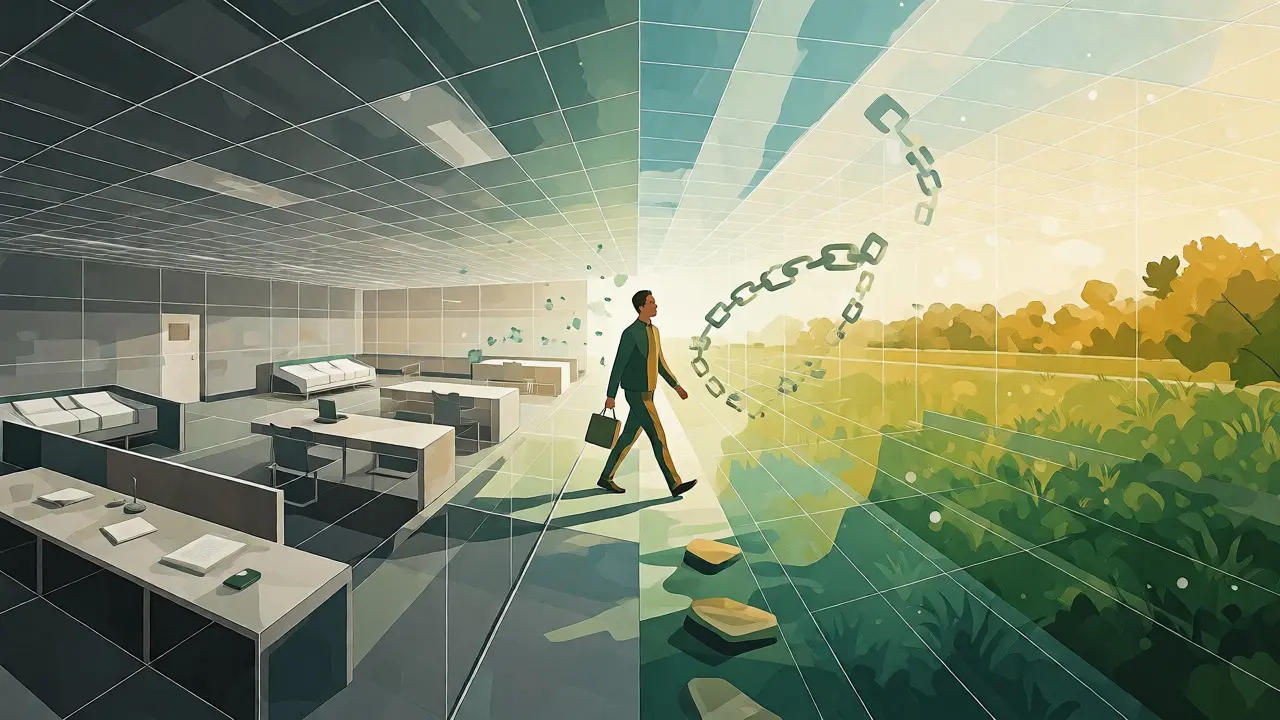
How do we know if a recovery pod works? Traditional metrics like recidivism rates are important but slow-moving. Immediate indicators include retention rates in the program, disciplinary infractions within the pod, and self-reported well-being scores.
Research suggests that inmates who participate in structured peer support models show lower rates of violence and fewer rule violations inside jail. More importantly, they report higher levels of motivation to stay clean upon release. Long-term studies indicate that post-release engagement in community-based treatment increases significantly for those who experienced continuity of care in jail.
For example, a study published in the *Journal of Substance Abuse Treatment* highlighted that incarcerated individuals receiving integrated peer support were 40% more likely to enroll in outpatient services after release compared to those in standard housing. This continuity is vital. The transition from jail to street is the highest-risk period for overdose death. Recovery pods prepare individuals to navigate that risk with tools and connections already in place.
The Future of Correctional Recovery
We are seeing a shift toward viewing jails as public health entities rather than just holding pens. Recovery pods are at the forefront of this change. As funding mechanisms evolve-particularly with Medicaid expansion covering certain correctional services-the potential for scaling these models grows.
Technology may play a larger role too. Telehealth visits with external counselors, digital journaling apps, and virtual reality exposure therapy could enhance traditional peer models. But technology should never replace human connection. The core strength of recovery pods remains the shared humanity among those fighting the same battle.
If you are looking to implement or improve such a program, start small. Pilot one pod. Train your first cohort of peer specialists thoroughly. Listen to their feedback. Adjust the schedule based on what actually works, not just what looks good on paper. Recovery is messy, nonlinear, and deeply personal. Your facility needs to accommodate that reality.
What exactly is a recovery pod in a jail?
A recovery pod is a specialized housing unit within a jail or prison where inmates live together under a structured, therapeutic framework aimed at maintaining sobriety from drugs and alcohol. It relies heavily on peer support and strict routines.
Do inmates get paid for being peer specialists?
It varies by jurisdiction. Some systems offer modest stipends, commissary credits, or privileges like extended recreation time. Others view it purely as a volunteer role focused on personal growth and helping peers.
Is medication-assisted treatment available in recovery pods?
Yes, many modern recovery pods integrate Medication-Assisted Treatment (MAT), including medications like buprenorphine or naltrexone, alongside peer support and counseling to address physiological dependence.
How are participants selected for recovery pods?
Selection usually involves a voluntary application process, screening for genuine intent to remain sober, and assessment of behavioral stability. Those with severe untreated mental health issues may require different levels of care.
What happens if an inmate relapses in a recovery pod?
Policies vary, but many programs allow for second chances. A minor slip might result in increased counseling or temporary removal from leadership roles, rather than immediate expulsion, recognizing that recovery is often non-linear.