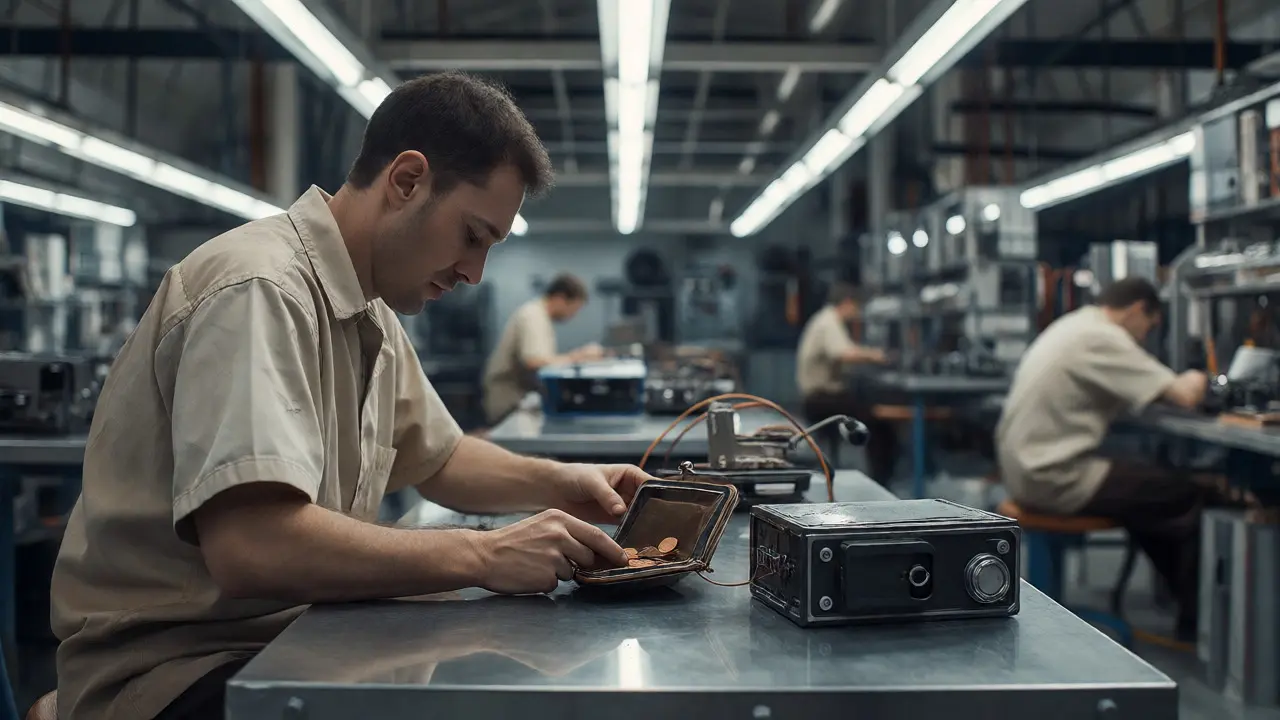
Imagine working eight hours a day, five days a week, for less than a dollar an hour. Now imagine you cannot quit, you cannot negotiate, and your employer is the government that locked you up. This isn't a hypothetical scenario from the Industrial Revolution; it's the reality for hundreds of thousands of people in the United States prison system today. The question of prison labor pay sits at the messy intersection of economics, ethics, and justice. Is it fair to pay inmates pennies when they produce goods sold on the open market? Or does low pay serve a necessary rehabilitative function by teaching discipline without creating a competitive labor market distortion?
The debate isn't just about money. It's about what we value. Do we view incarcerated individuals as broken parts needing repair, or as workers contributing value? As of 2026, with inflation squeezing household budgets everywhere, the disparity between minimum wage laws outside prison walls and the cents-per-hour rates inside them feels even more stark. If you're looking to understand how this system works, why it persists, and where it might be heading, you've come to the right place. We'll break down the actual numbers, the legal loopholes, and the moral arguments driving current reforms.
Why Prison Labor Pay Varies So Wildly
You might assume there's a federal standard for how much prisoners earn. There isn't. In fact, the variation is staggering. In some states, like Texas or Arkansas, inmates might earn nothing at all for their labor. In others, like California or New York, they might earn closer to $1-$2 per hour. Why such a gap? It comes down to state laws and the specific type of program involved.
Most prison labor falls into two buckets: internal maintenance (cleaning, cooking, laundry) and external production (manufacturing, agriculture, tech services). Internal jobs are often unpaid or paid at nominal rates because they're viewed as part of the "cost of living" in prison. External jobs, however, generate revenue for the state or private contractors. Here’s where it gets tricky: many states have laws exempting prison labor from minimum wage requirements. These exemptions often trace back to the 13th Amendment, which abolished slavery "except as a punishment for crime." That tiny clause has been the legal backbone allowing states to pay sub-minimum wages for decades.
Consider the difference between a prisoner making license plates in Oregon versus one picking strawberries in Florida. In Oregon, the rate might be slightly higher due to progressive legislative pushes, while in Florida, historical agricultural dependencies keep rates near zero. The entity governing these decisions is usually the Department of Corrections (DOC) in each state, often working through agencies like Correctional Industries (CI). CI programs operate somewhat like businesses, selling furniture, clothing, or food products to other government agencies. But unlike regular businesses, they don't have to pay competitive wages, giving them a price advantage that critics call unfair competition.
The Ethical Dilemma: Rehabilitation vs. Exploitation
Proponents of low-wage prison labor argue that high pay would incentivize idleness. If inmates earned $15 an hour, the argument goes, they wouldn't need to work for rehabilitation purposes; they'd just be hoarding cash. Low wages, supporters say, teach delayed gratification and responsibility. You have to budget those few dollars for hygiene products, phone calls home, or restitution fees.
Critics see it differently. They argue that paying someone below the poverty line for full-time work is exploitation, regardless of their status. When a prisoner produces a mattress sold to a military base for $100, but only receives $4 for the shift, who captured the surplus value? The state used that revenue to offset operational costs, effectively subsidizing the prison system with underpaid labor. This creates a perverse incentive: the more profitable the labor force, the less motivated the state is to reform the pay structure.
There's also the issue of consent. Can you truly "consent" to work if the alternative is solitary confinement or loss of privileges? Many inmates feel coerced. While participation in many programs is technically voluntary, the social pressure within facilities can make opting out difficult. Furthermore, if the skills learned in prison don't translate to the outside job market-say, stuffing envelopes or assembling small electronics-the "rehabilitation" argument loses weight. Real rehabilitation should prepare someone for sustainable post-release employment, not just fill a quota for cheap manufacturing.
How Pay Structures Actually Work
Let's look at the mechanics. Most prison pay systems use a tiered model. New arrivals or those in disciplinary segregation might earn the lowest rate. As you gain trust, complete educational programs, or take on skilled roles, your rate bumps up. But even the top tier rarely reaches minimum wage.
| Tier/Role | Typical Hourly Rate (USD) | Common Deductions | Purpose |
|---|---|---|---|
| Unskilled Maintenance | $0.10 - $0.50 | Restitution, Fines, Commissary | Facility upkeep |
| Skilled Manufacturing | $0.50 - $1.50 | Mandatory Savings Account | Vocational training |
| Release Funds Program | $1.00 - $3.00 | Housing deposit, Transportation | Reentry support |
| Private Contractor Jobs | $0.20 - $1.00 | Contractor fee, State cut | Profit generation |
Notice the deductions column. Even those meager earnings aren't fully accessible. A significant portion goes toward mandatory savings accounts intended for release funds. Another chunk covers court-ordered restitution to victims. Some states allow families to send money directly to these accounts, but the inmate still controls very little of their own income. This lack of financial autonomy undermines the idea of learning money management. How do you learn to budget when you have no real choices?
The Role of Private Companies and Public Procurement
Not all prison labor is run by the state. Private companies sometimes contract with prisons to use inmate labor. This is controversial because it introduces profit motives beyond just covering prison costs. Companies like McDonald's or major apparel brands have faced scrutiny over using prison-made goods. Are they getting a bargain? Yes. Are they supporting ethical labor practices? Debatable.
Public procurement laws add another layer. Many states require government agencies to buy certain goods from Correctional Industries. For example, state prisons might manufacture all the office furniture for state offices. This guarantees a market for prison labor, keeping the system running. But it also means taxpayers are indirectly funding the prison system twice: once through taxes to build/run the facility, and again through contracts that rely on underpaid labor to stay competitive.
In 2026, we're seeing a shift. More consumers and corporations are asking for supply chain transparency. If a company sells a shirt made in a prison, do they disclose the wage conditions? Some do, framing it as "second-chance hiring." Others hide it. The ethical burden is shifting onto the buyer. If you know your office chairs were built by someone earning 20 cents an hour, does that change your perception of the product's value?
Recent Reforms and Future Trends
The tide is turning, slowly. Several states have passed legislation to raise prison wages. Colorado was the first to remove the exception to involuntary servitude in its state constitution via Amendment A in 2018, leading to gradual wage increases. By 2026, Colorado inmates are earning significantly more than their counterparts in neighboring states. California recently piloted programs paying inmates minimum wage for certain tech-sector tasks, recognizing that digital skills command higher market rates.
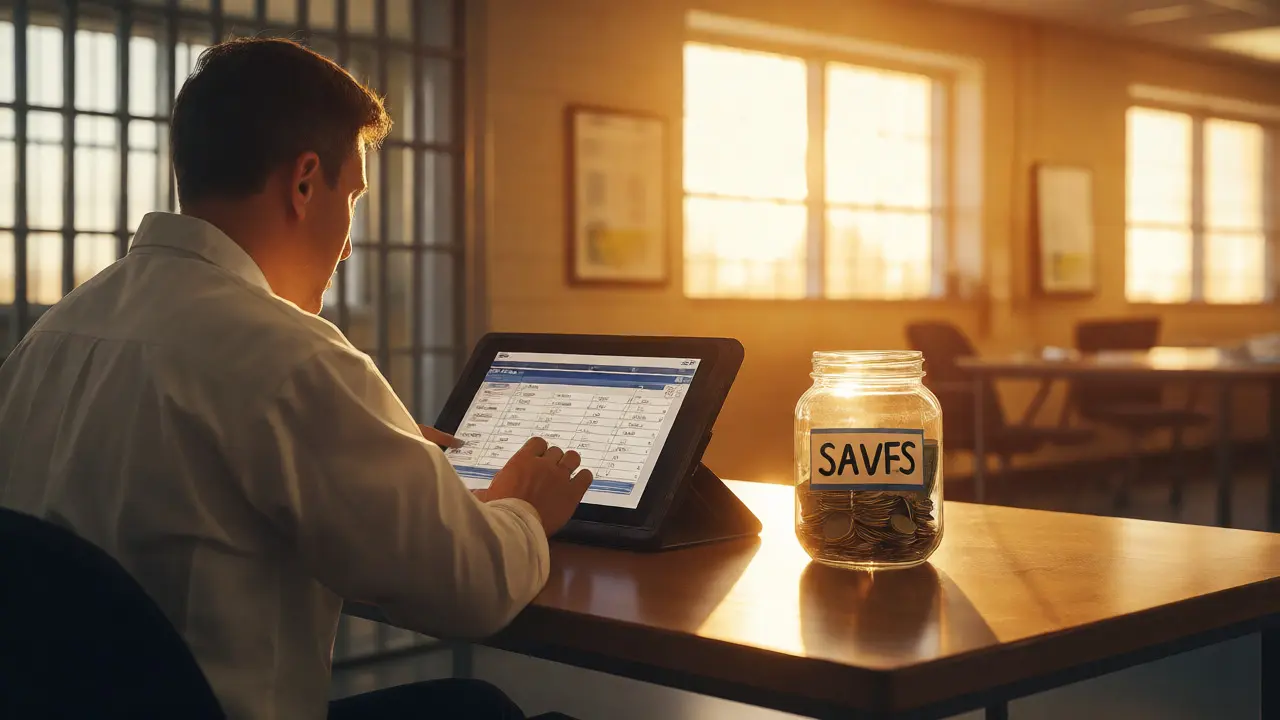
Federal efforts have been sluggish, but bills like the "Fair Chance Act" and various prison labor reform proposals continue to circulate. The focus is shifting from pure punishment to economic reintegration. Studies show that inmates who save money during incarceration are less likely to return to prison within three years of release. Financial stability reduces recidivism. Therefore, paying fairer wages isn't just nice-it's fiscally smart for the state long-term.
We're also seeing the rise of remote work opportunities for inmates. With secure tablet technology, some prisoners can perform data entry, transcription, or customer service roles. These jobs often pay better than traditional manufacturing because they connect to the broader gig economy. However, access to these opportunities is uneven, depending on facility infrastructure and security protocols.
Key Takeaways for Stakeholders
- For Taxpayers: Understand that low prison wages subsidize prison operations. Higher wages might increase short-term costs but could lower long-term recidivism expenses.
- For Employers: Hiring formerly incarcerated individuals brings loyalty and resilience. Supporting fair prison wages helps create a workforce pipeline with better soft skills and financial habits.
- For Advocates: Push for transparency in pay structures and mandatory savings caps. Ensure that "release funds" actually reach the individual upon exit.
- For Policymakers: Align prison wages with local minimum wages for skilled roles. Expand vocational training that matches modern industry needs, not just legacy manufacturing.
The conversation around prison labor pay isn't going away. As society grapples with mass incarceration and economic inequality, the treatment of incarcerated workers becomes a mirror reflecting our values. Are we building a system that punishes or one that prepares? The answer lies in the paycheck stubs of the people doing the work.
Do prisoners get Social Security credits for their work?
Generally, no. Because most prison labor is not considered formal employment under federal law, and wages are often too low to meet the threshold for Social Security contributions, inmates typically do not accrue retirement credits for time spent working in prison.
Can prisoners refuse to work?
In many jurisdictions, yes, participation is voluntary. However, refusing to work may result in the loss of privileges, such as good behavior credits or access to certain recreational activities. In some cases, refusal can impact parole eligibility assessments.
Where does the money from prison labor go?
Revenue from prison labor programs typically goes to the state's general fund or a dedicated corrections account. It offsets the cost of running the prison. A portion may go to the inmate's personal account, and another portion may cover restitution fines or mandatory savings.
Is prison labor cheaper than free labor?
Yes, significantly. Due to sub-minimum wages, lack of benefits (like health insurance or paid leave), and overhead covered by the state, prison labor is often 50-90% cheaper than equivalent free-market labor.
What is the 13th Amendment loophole?
The 13th Amendment abolishes slavery and involuntary servitude "except as a punishment for crime." This exception allows states to compel incarcerated individuals to work and pay them below minimum wage without violating constitutional protections against slavery.