
Getting a job after incarceration is hard. The stigma of being an "ex-con" sits heavy on your shoulders before you even walk into the room. Employers see the gap in your resume and often stop reading. But employment is the single most important factor in successful reentry. Without it, recidivism rates skyrocket. With it, lives stabilize.
This isn't just about filling out a form. It's about rebuilding identity, confidence, and practical skills. Specialized resume writing and interview coaching programs designed for this population are not generic career advice. They are targeted interventions that address specific barriers like low education levels, poor job skills, and the psychological weight of a criminal record.
Why Standard Career Advice Fails
If you hand a standard resume template to someone who has been inside for five years, it won't work. Why? Because standard advice assumes a continuous work history. It assumes access to LinkedIn references. It assumes you can talk freely about gaps without triggering anxiety or legal complications.
For formerly incarcerated individuals, the barriers are unique. You might have mental health issues, unstable housing, or a history of substance abuse that affects reliability. You might lack basic digital literacy. Most importantly, you have to navigate the conversation about your past. This requires more than just listing jobs; it requires strategic framing.
Programs like those offered by Prison Fellowship recognize this. They don't just teach you how to type a cover letter. They mentor you on workplace expectations like punctuality and trustworthiness. They help you identify transferable skills from prison labor or volunteer roles that employers actually value.
The Power of Hands-On Workbooks
Not everyone has internet access while incarcerated. In fact, many facilities restrict computer use. This is where physical resources become critical. The Unlocking Opportunities Workbook Edition by Honest Jobs is a prime example. It’s a 96-page guide designed specifically for people behind bars.
This workbook doesn't require a screen. You fill it out by hand. It guides you through identifying your strengths, finding jobs suitable for your background, and writing complete resumes using guided templates. It includes sections on how to discuss your criminal background with honesty and confidence. That last part is huge. It turns a source of shame into a managed topic.
- Skill Identification: Helps you list abilities gained from prison jobs, education programs, or personal life.
- Job Matching: Teaches you to target employers open to second chances, reducing rejection fatigue.
- Interview Prep: Provides scripts for common questions, including "Tell me about yourself" and "Why should we hire you?"
You can find these workbooks on Amazon, but they are also distributed directly to correctional facilities and reentry programs. If you're an educator or counselor, this is a tool you can put in someone's hands today.
Mentorship and Role-Playing
Knowing what to say is one thing. Saying it under pressure is another. This is why mentorship programs are so effective. Organizations like Prison Fellowship pair mentees with trained coaches. These mentors act as role models. They provide practical resources like transportation to interviews and even free interview clothing.
But the real value is in the role-play. Imagine practicing how to explain a felony conviction until it doesn't shake your voice anymore. Your mentor helps you craft a narrative that shows growth, accountability, and readiness. They simulate the awkward moments. They prepare you for the background check discussion. This reduces anxiety and builds genuine confidence.
Mentors also stay involved after you get hired. They help you navigate workplace relationships, customer service interactions, and office politics. This ongoing support bridges the gap between getting the job and keeping it.

Institutional Programs: San Quentin Example
Some prisons have integrated these services directly into their operations. Take the Prison to Employment Connection (P2EC) at San Quentin State Prison. This isn't a casual workshop. It’s a rigorous 14-week program.
To qualify, you must be within one year of release or have a Parole Board Hearing scheduled within six months. The curriculum includes classes on Interest Inventory and Identifying Strengths. You build a framework for self-understanding that feeds directly into your resume and interview answers.
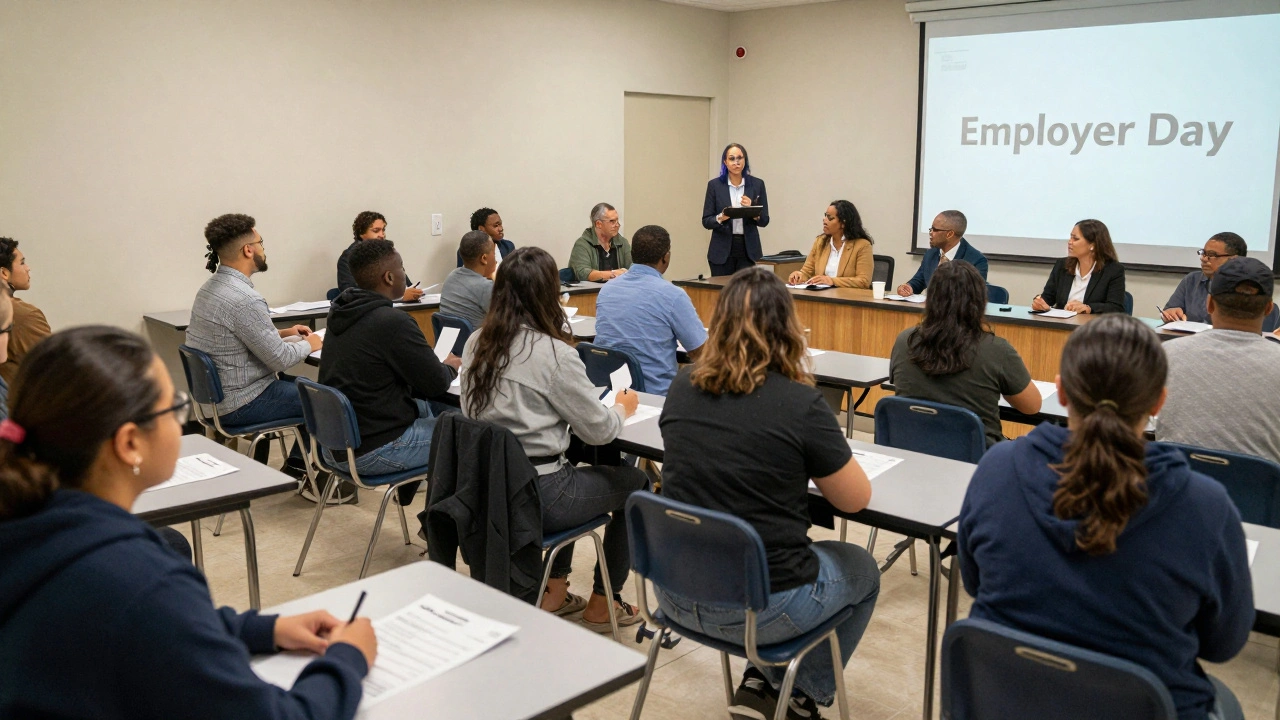
The climax of the program is Employer Day. Potential employers come into the facility. They review resumes. They interview participants. Some offer conditional job offers upon release. This direct contact breaks down the stereotype. Employers see the person, not just the record.
| Model Type | Key Feature | Best For |
|---|---|---|
| Workbook-Based (e.g., Honest Jobs) | No tech required, self-paced | Individuals with limited internet access |
| Mentorship (e.g., Prison Fellowship) | One-on-one coaching, ongoing support | Those needing emotional and practical guidance |
| Institutional (e.g., P2EC) | Structured classroom, employer access | Inmates near release dates |
| Online Platforms (e.g., Prison Scholar Fund) | Digital tools, AI practice | Post-release job seekers with internet access |
Leveraging Government Resources
You don't have to do this alone. The U.S. Department of Labor sponsors American Job Centers in every state. These centers are free. They offer dedicated counselors for formerly incarcerated job seekers. You can call 877-348-0502 to find your nearest center.
At these centers, you get assessment tests to map your skills and interests. You get help building a resume. You get leads on local jobs. They also connect you to training programs if you need new technical skills. This is a crucial step because many employers want to see recent certification or training.
Additionally, organizations like Jails to Jobs provide specific tools like JIST cards. These are concise summaries of your skills designed to highlight employability despite employment gaps. They are a quick read for busy hiring managers.
Digital Tools for Post-Release Success
Once you are out, the digital world opens up. The Prison Scholar Fund aggregates several powerful online tools. You can use O-Net Online to explore career paths. Career One Stop provides detailed industry information. Resume Nerd helps you build a professional-looking resume quickly.
For interview prep, Free Interview Prep and Google Interview Warmup offer simulated scenarios. Karat provides technical interview practice if you are aiming for IT or coding roles. These platforms allow you to practice anonymously. You can fail safely. You can retry until you get it right.
Don't forget the basics. Look for directories offering free interview clothing. Looking professional matters. It signals respect for the process and boosts your own confidence.
Cognitive Behavioral Approaches
Employment readiness isn't just about skills. It's about mindset. Organizations like Geo Reentry use research-proven practices. They incorporate structured expressive writing and cognitive behavioral interventions. These techniques help you challenge negative thoughts about your employability.
Motivational Interviewing is another key method. It helps you clarify your goals and strengthen your commitment to change. When you believe you deserve a second chance, you project that belief to employers. This internal shift is often the difference between giving up after three rejections and persisting until you land a role.
Building Your Fresh Start
Programs like Wright's Resumes Fresh Start Program offer a 16-week career training track. It focuses on rebuilding professional identity. You learn soft skills, communication, and teamwork. You gain experience through simulated projects. This structure mirrors the transition from prison to freedom, providing a scaffolded approach to independence.
Remember, your goal is stability. Every interview is a step toward that. Use every resource available. Practice your answers. Dress well. Show up on time. Your past does not define your future. Your preparation does.
How do I explain my criminal record on a resume?
Do not list your criminal record on the resume itself. Instead, focus on your skills, education, and any volunteer work. Address the record during the interview when asked. Prepare a brief, honest statement that acknowledges responsibility, highlights rehabilitation efforts, and emphasizes your readiness to work. Practice this response with a mentor or coach to ensure it sounds confident and sincere.
Are there free resources for resume writing after release?
Yes. American Job Centers offer free counseling and resume assistance. Online platforms like Resume Nerd and Career One Stop provide free tools. Additionally, organizations like Prison Scholar Fund aggregate free interview prep and job search resources. Local libraries may also offer workshops and computer access for job applications.
What is the best way to prepare for an interview with no prior experience?
Focus on transferable skills. Did you manage time in prison? Did you resolve conflicts? Did you complete educational programs? Highlight these as discipline, problem-solving, and learning agility. Use mock interviews to practice common questions. Dress professionally and arrive early. Show enthusiasm and willingness to learn.
Can I get help finding employers who hire people with records?
Yes. Many companies have second-chance hiring initiatives. Resources like Jails to Jobs and local reentry nonprofits maintain lists of such employers. Additionally, attending Employer Days at facilities like San Quentin can connect you directly with open-minded businesses. Networking through mentors can also uncover hidden opportunities.
How long does it take to complete a reentry employment program?
It varies by program. Workbook-based approaches can be completed in weeks. Institutional programs like P2EC run for 14 weeks. Comprehensive training programs like Wright's Fresh Start may take 16 weeks. Mentorship relationships can continue indefinitely. Choose a timeline that fits your release date and immediate needs.