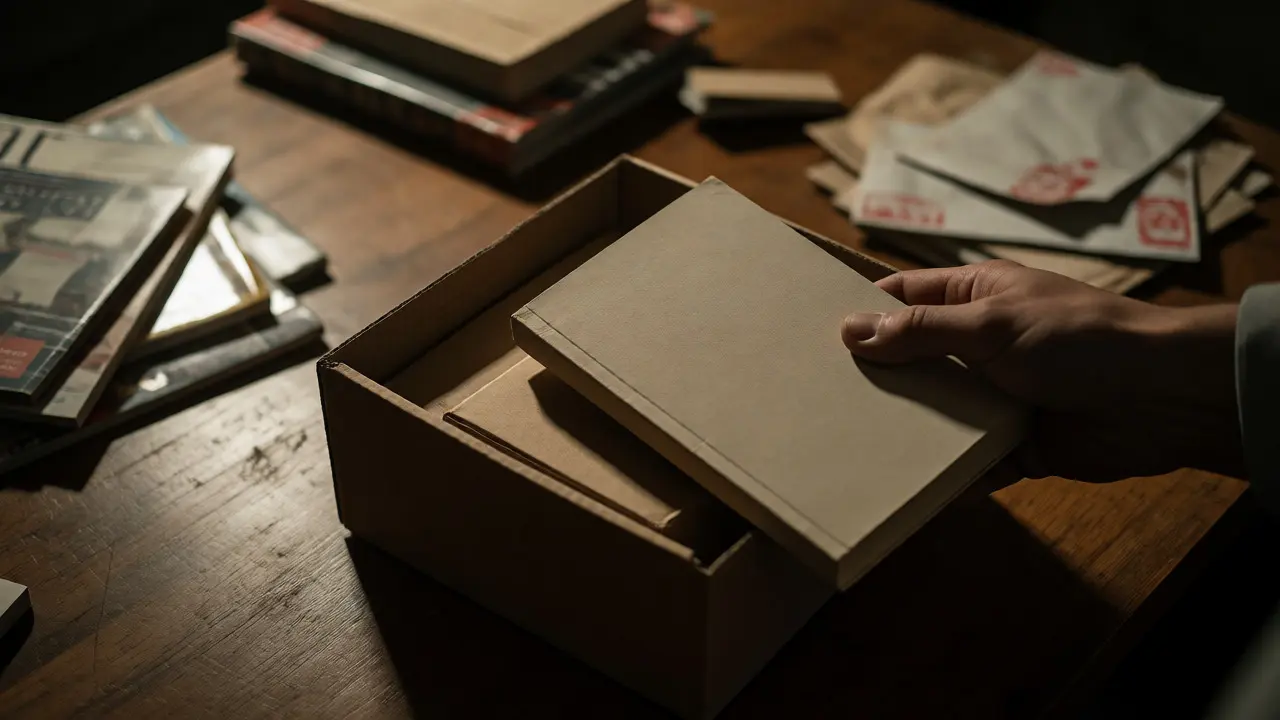
You buy a paperback for your brother inside. You wrap it up, slap on a stamp, and drop it in the mailbox. Two weeks later, he calls you crying because his package was rejected. Why? Because the prison didn't like the cover art, or maybe they just don't accept third-party mail anymore. If you've ever tried to send reading material to someone incarcerated, you know this frustration is real. It’s not just about postage; it’s about navigating a maze of vendor rules and arbitrary censorship that changes from one facility to the next.
The Great Shift from Postal to Vendor Shipping
A decade ago, you could go to the post office, buy a book at Barnes & Noble, and mail it straight to the cell block. Today, that option is disappearing fast. Most major prison systems have moved toward mandatory vendor-only shipping. This means you cannot send physical books through the USPS directly to an inmate. Instead, you must order them through specific companies like Amazon, Barnes & Noble, or specialized prison retailers like JPay or Access Corrections.
Why did they make this switch? Security officials claim it reduces contraband smuggling. A sealed hardcover book can hide drugs, cash, or tiny phones better than a softcover paperback. By forcing purchases through vetted vendors, prisons argue they control the supply chain. But here’s the catch: these vendors often charge higher prices, limit selection, and impose strict formatting rules that feel more like bureaucratic hurdles than safety measures.
- Amazon: Widely accepted but requires checking if the specific prison accepts Amazon orders (some do not).
- Barnes & Noble: Often has a dedicated "Prison Friendly" filter on their website.
- Specialized Vendors: Companies like Prison Legal News or JPay offer curated lists guaranteed to pass inspection.
Understanding Vendor Rules: The Invisible Gatekeepers
When you use a vendor, you’re trusting their compliance system. They promise that every book they ship meets the prison’s standards. But who defines those standards? Usually, it’s a mix of federal guidelines and local institutional discretion. This creates a gray area where a book might be perfectly legal in one wing of a prison but banned in another.
Vendor rules typically focus on three things: condition, content, and format. Condition is straightforward-no damaged spines, no loose pages, no handwritten notes tucked inside. Content is trickier. Does the book contain nudity? Violence? Political radicalism? Format matters too. Many prisons ban hardcovers entirely because they’re heavier and easier to break into shanks. Some allow only softcovers under a certain thickness.
| Restriction Type | Stated Reason | Real-World Impact |
|---|---|---|
| No Hardcovers | Weapon potential | Limits academic texts and durable classics |
| No Spiral Binding | Metal rings are weapons | Excludes many workbooks and journals |
| Nudity Ban | Prevents harassment/distraction | Censors art books and some literature |
| Magazine Limits | Volume control | Often limits to 1-2 issues per month |
Censorship Risks: What Gets Banned?
Censorship in prisons isn’t always obvious. Rarely does a warden stand up and say, "We hate Shakespeare." Instead, bans happen quietly. A book gets flagged by a guard, deemed "inappropriate," and never reaches the inmate. The criteria for "inappropriate" are vague and subjective.
Historically, prisons banned anything related to race politics, black power movements, or gang culture. In the 1970s, titles by Malcolm X or Eldridge Cleaver were common casualties. Today, the risks have shifted. Now, books discussing sexual orientation, gender identity, or detailed descriptions of drug manufacturing processes face scrutiny. Even mainstream novels can fall afoul of rules if they depict violence too graphically or include images of tattoos that resemble gang symbols.
One sneaky risk is the "blanket ban." Sometimes, a prison will ban an entire publisher or author series because one book in the series caused trouble. If a specific edition of a self-help book had a controversial foreword, the whole series might get blacklisted. This forces readers to hunt for alternative editions, which may not be available through the approved vendor.
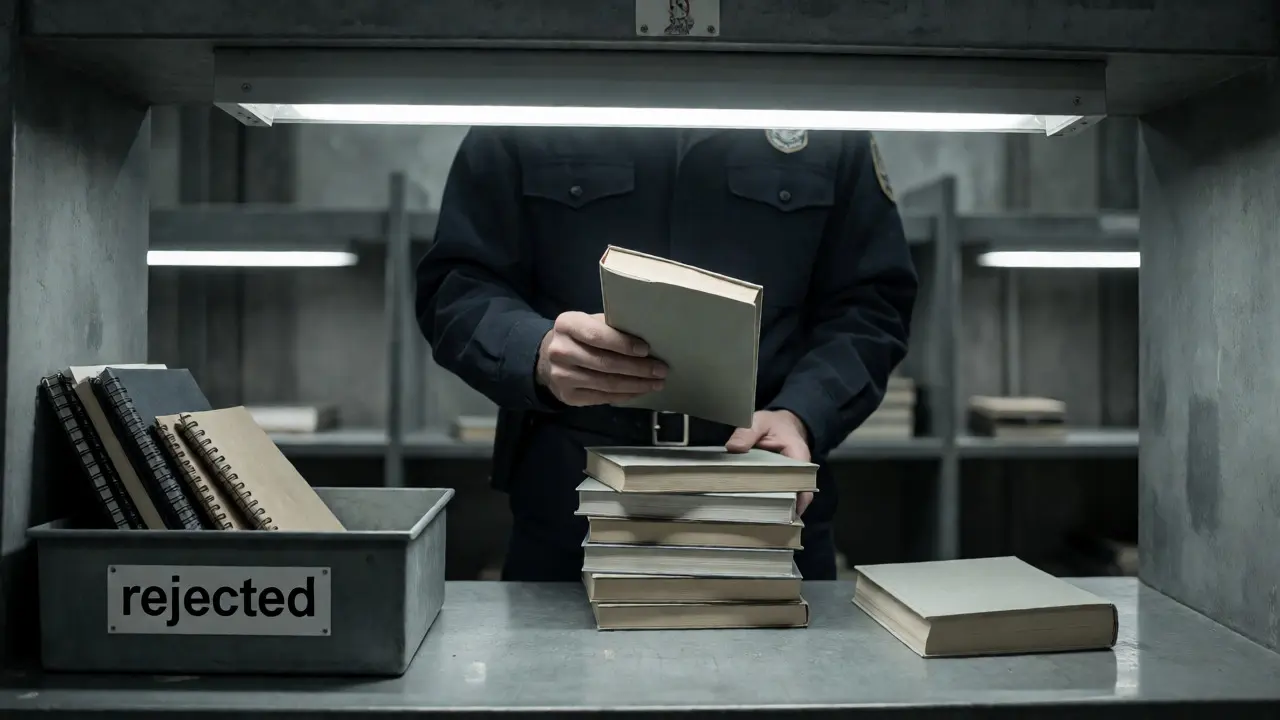
How to Minimize Rejection Rates
So, how do you actually get a book into someone’s hands without wasting money? You need to play the system smartly. First, always check the specific facility’s mailing address requirements. Some require the inmate’s full name, ID number, and housing unit on the outside of the package. Missing one detail equals rejection.
Second, stick to mainstream publishers. Self-published books are high-risk. Why? Because prison censors don’t trust unknown sources. A self-published memoir might look like a coded message or a way to smuggle in unauthorized photos. Stick to Penguin Random House, HarperCollins, or other major imprints. Their quality control and recognizable branding help them pass initial screening.
Third, avoid magazines with glossy covers featuring models. While fashion magazines seem harmless, the nudity rule applies strictly. Men’s fitness mags or romance novels with suggestive covers often get returned. Choose books with plain covers whenever possible. If you’re sending a magazine, opt for news publications like The Economist, Time, or hobby-specific ones like Guitar World or Car and Driver.
The Cost Factor: Hidden Fees and Markups
Let’s talk money. Sending a $15 book via a prison vendor often costs $25-$30 once you factor in shipping and handling fees. Some vendors add a "processing fee" for each item. Others charge extra for expedited delivery, though standard shipping is usually fine unless there’s a holiday rush.
Also, consider the return cost. If a book is rejected, it doesn’t come back to you. It goes into a pile of unclaimed goods, sometimes sold off or destroyed. That means your $25 investment is gone forever. To mitigate this, start small. Send one book first. If it arrives safely, send two more. Don’t bulk-buy five titles for a new inmate until you’ve tested the waters with their specific facility.

Alternatives When Physical Books Fail
If physical shipping becomes too frustrating, look into digital options. Many states now offer tablet programs where inmates can rent e-books or subscribe to digital magazines. Services like PenLink or Securus Connect allow family members to deposit funds for these subscriptions. However, digital access comes with its own censorship filters. Tablets often block internet access entirely, limiting users to pre-approved content within their apps.
Another workaround is audio books. Some facilities allow CDs, provided they are factory-sealed. No burned CDs, no homemade playlists. Factory-sealed audiobooks bypass some of the visual censorship issues since guards can’t skim the text. Just ensure the CD case is plastic and sturdy, as cardboard sleeves are often prohibited.
Final Checklist Before You Hit Buy
Before you click purchase, run through this mental checklist. It saves time and heartache.
- Verify the Address: Is the facility still using the same mailing address? Check the Department of Corrections website for updates.
- Check Vendor Compatibility: Does this prison accept orders from Amazon, or do they require a specific portal like JPay?
- Review Cover Art: Zoom in. Are there cleavage shots? Gun barrels? Gang hand signs? If yes, pick a different edition.
- Format Check: Is it a softcover? Is it spiral-bound? Avoid both if unsure.
- Content Warning: Does the book discuss recent riots, specific gang names, or explicit sexual content? Proceed with caution.
Sending books to prison is an act of love and connection. It says, "I see you as a person who thinks and feels, not just an inmate number." Despite the red tape, the occasional rejection, and the inflated prices, it remains one of the most powerful gifts you can give. Just remember: knowledge is power, but in prison, getting that knowledge delivered is a battle worth fighting wisely.
Can I send a used book to prison?
Generally, no. Most prisons require books to be new and factory-sealed. Used books raise concerns about hidden contraband or previous annotations that could violate communication rules. Always check your specific facility's policy, but assume new is required.
Why was my magazine rejected?
Magazines are frequently rejected due to cover nudity, excessive advertising, or outdated publication dates. Some prisons also limit the number of issues allowed per month. Ensure the cover is modest and the issue is current.
Do all prisons use the same vendor?
No. Each state department of corrections contracts with different vendors. For example, some states exclusively use Amazon, while others rely on niche providers like Prison Legal News or internal commissary systems. Always verify the approved vendor list for the specific institution.
Are religious books exempt from censorship?
Not necessarily. While religious freedom is protected, materials that promote sectarian conflict or contain violent imagery may still be restricted. Additionally, some prisons limit the quantity of religious texts to prevent hoarding or proselytizing disputes.
What happens if a book is banned?
Banned books are typically returned to the sender if possible, but often they are discarded or placed in a general pool for sale. There is rarely an appeal process for individual book rejections, so prevention is key.