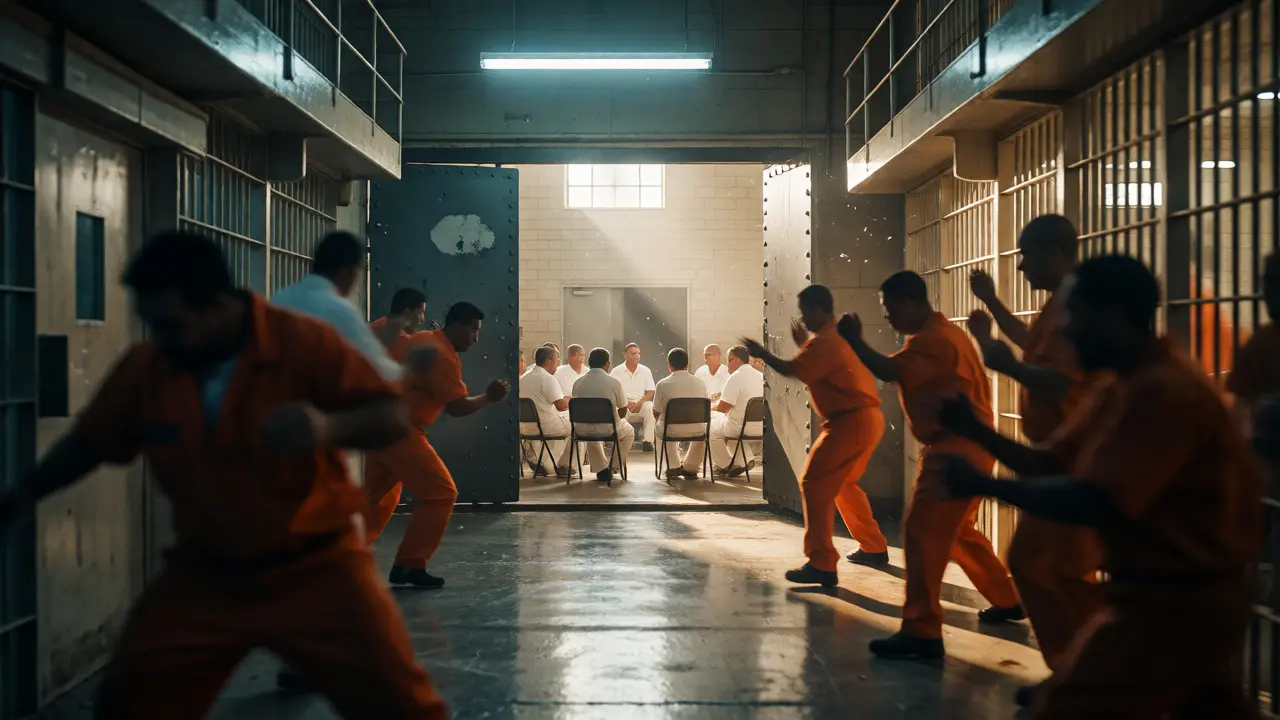
You walk into a cell block, and the air smells like stale sweat and industrial cleaner. It’s loud. People are shouting, doors are slamming, and everyone is on guard. Now imagine trying to fix deep-seated addiction problems in that environment. It sounds impossible, right? But it happens every day through Therapeutic Communities (TCs). These aren’t your typical group therapy circles where you sit in a circle and talk about your feelings for an hour. A TC is a total immersion program. It’s a social system designed to change how people think, feel, and act.
If you’ve ever wondered why some prisoners get clean while others cycle back in and out of prison, the answer often lies in whether they had access to a high-quality therapeutic community. This article breaks down what these programs actually look like behind bars, who they help, and why they matter more than just handing someone a pamphlet on drug avoidance.
What Exactly Is a Therapeutic Community?
A Therapeutic Community is a structured residential treatment model that uses the social environment itself as the primary tool for healing. Unlike traditional medical models that focus on medication or individual counseling, TCs rely on peer influence, strict routines, and hierarchical responsibility. The core idea is simple but powerful: you can’t heal in isolation if your illness was fueled by social dynamics. So, you heal within a new social dynamic.
In a correctional facility, this means a specific unit or wing is carved out from the general population. Residents live together, work together, and hold each other accountable. It’s not a vacation spot. In fact, many inmates say it’s harder than serving time in general population because there’s no hiding. You have to be honest, all the time. If you lie, the community catches you. If you manipulate, the community calls you out. This constant feedback loop is what drives behavioral change.
The Structure: Hierarchy and Accountability
One thing that surprises outsiders is the hierarchy. TCs aren’t flat organizations. They have levels. You start at the bottom, often called "initiation" or "orientation." You have few privileges and lots of chores. As you progress, you earn trust and status. This mirrors real-world recovery, where earning sobriety takes time and effort.
- Initiation Phase: Newcomers learn the rules. They memorize the "house rules," which cover everything from eye contact to how to speak during meetings. Failure here means starting over.
- Primary Treatment: Here, residents dig into their pasts. They write autobiographies, participate in intense group sessions, and confront the root causes of their substance use disorders.
- Re-entry Preparation: The final phase focuses on life after prison. Residents practice job interviews, budgeting, and navigating relationships without drugs or alcohol.
This structure works because it mimics the consequences of the outside world. If you slack off in a job, you lose pay. In a TC, if you slack off, you lose privileges. The immediate feedback helps rewire the brain’s reward system, which has been hijacked by substances.
Why Correctional Facilities Need Them
Let’s look at the numbers. According to data from the Bureau of Justice Statistics, nearly half of state prisoners meet the criteria for drug abuse or dependence. That’s millions of people. Traditional punishment doesn’t treat addiction; it pauses it. When those individuals are released, they return to the same environments that triggered their use. Without intervention, recidivism rates soar.
Therapeutic communities address this gap. They provide continuity of care. Instead of dropping a person back into chaos with nothing but a bus ticket, TCs equip them with coping skills. Studies show that inmates who complete TC programs are significantly less likely to reoffend. For example, a landmark study published in the Journal of Consulting and Clinical Psychology found that TC graduates had lower rates of rearrest and reincarceration compared to control groups.
| Feature | Standard Incarceration | Therapeutic Community (TC) |
|---|---|---|
| Primary Focus | Punishment and containment | Behavioral change and skill-building |
| Social Environment | Often chaotic; negative peer pressure | Structured; positive peer accountability |
| Treatment Approach | Minimal or none | Total immersion; daily programming |
| Post-Release Outcome | High risk of relapse and recidivism | Lower risk due to learned coping mechanisms |
| Cost Efficiency | Low upfront cost, high long-term societal cost | Higher operational cost, lower recidivism costs |
Challenges Inside the Walls
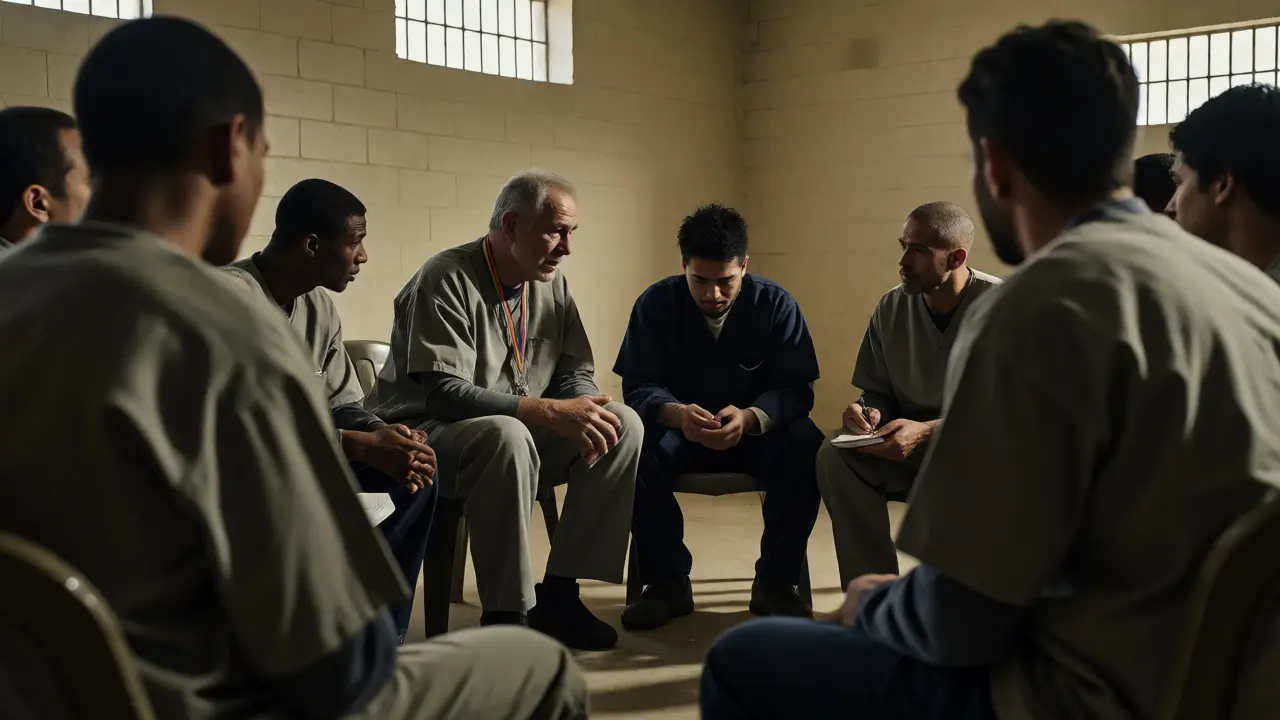
It’s not all sunshine and breakthroughs. Running a TC in a prison comes with unique hurdles. First, security concerns. Prison administrators worry that giving inmates too much autonomy could lead to contraband trading or gang activity. TCs require trust, but prisons are built on distrust. Finding the balance is tricky.
Then there’s the issue of staff burnout. Corrections officers aren’t trained therapists. When they’re asked to enforce therapeutic norms, it creates role conflict. Are they guards or counselors? This ambiguity can undermine the program’s effectiveness. Successful TCs often hire dedicated clinical staff separate from security personnel, but funding for this is always tight.
Another challenge is resistance from participants. Not everyone wants to change. Some inmates join TCs just to get better housing conditions or early release credits. They go through the motions but don’t engage emotionally. These "program hoppers" can dilute the culture of the community, making it harder for genuine participants to benefit.
The Role of Peer Support
At the heart of every successful TC is peer support. Think about it: who understands the struggle of addiction better than someone else who lived it? In a TC, senior residents mentor newcomers. They share stories of relapse and recovery. This isn’t just nice-to-have empathy; it’s a clinical tool. Research indicates that peer-led interventions increase engagement and retention in treatment programs.
For instance, in Oregon’s correctional system, several units have adopted peer-mentoring models within their TCs. Veterans teach new arrivals how to navigate the first week. Those further along in recovery guide those in crisis. This creates a self-sustaining ecosystem. Even when staff changes occur, the knowledge stays within the community.
Beyond Prison: Continuing Care
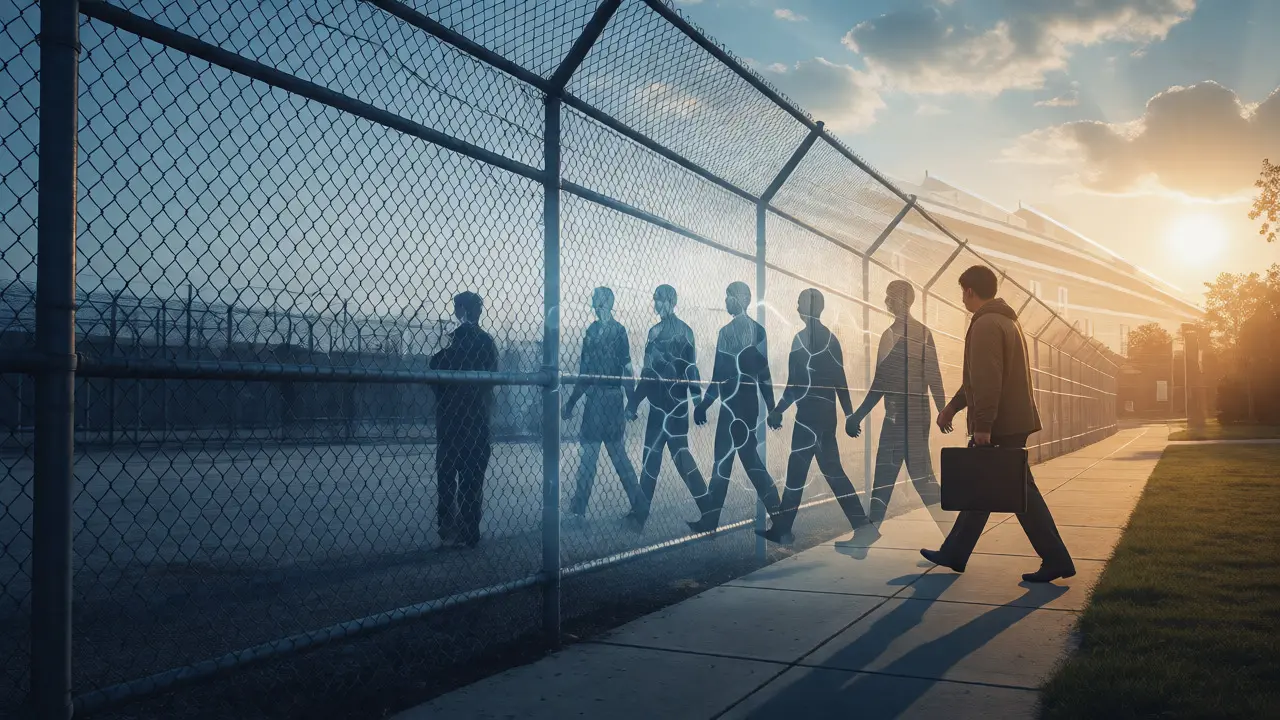
A TC inside prison is only half the battle. What happens when the gates open? Many programs now link directly to community-based therapeutic communities. This continuum of care ensures that the skills learned inside are reinforced outside. If an inmate leaves prison and enters a halfway house that operates on similar principles, the transition is smoother.
Without this link, the gains made inside can evaporate quickly. Imagine learning to swim in a pool, then being thrown into the ocean without a lifeguard. You might survive, but you’ll panic. Community-based TCs act as that safety net. They offer housing, job placement assistance, and ongoing group therapy. This holistic approach recognizes that addiction is a chronic condition requiring long-term management, not a one-time fix.
Is It Worth the Investment?
Critics argue that TCs are expensive. They require space, specialized staff, and extensive training. But let’s do the math. The average cost of incarcerating one person in the U.S. exceeds $30,000 per year. Add in the costs of police, courts, and emergency services associated with repeat offenses, and the bill climbs higher.
If a TC reduces recidivism by even 10%, the savings are massive. Plus, there’s the human cost. Fewer broken families. Fewer children growing up without parents. Fewer lives lost to overdose. When policymakers evaluate these programs, they need to look beyond the annual budget line item. They need to consider the lifetime value of a recovered citizen.
Practical Takeaways for Stakeholders
If you’re involved in criminal justice reform, education, or public health, here’s what you should know:
- Advocate for Integrated Models: Push for policies that fund both prison-based and community-based TCs. They work best as a pair.
- Support Staff Training: Corrections officers need basic mental health literacy. It improves safety and program fidelity.
- Measure Outcomes, Not Just Attendance: Don’t just count how many people finish the program. Track their arrest rates and employment status one year post-release.
- Reduce Stigma: View addiction as a health issue, not a moral failing. This shift in perspective makes TCs more acceptable to both inmates and the public.
Therapeutic communities prove that change is possible, even in the most restrictive environments. They turn passive inmates into active agents of their own recovery. While they aren’t a magic bullet, they represent one of the most effective tools we have for breaking the cycle of incarceration and addiction.
Do all prisoners qualify for therapeutic communities?
No, eligibility varies by facility. Generally, inmates must have a documented history of substance use disorder and be willing to commit to the rigorous demands of the program. Violent offenders may face additional scrutiny depending on the institution's security protocols.
How long does a therapeutic community program last?
Most prison-based TCs run for 6 to 12 months. However, the duration can extend if the resident needs more time to demonstrate behavioral stability. Some programs also include a post-release community component that lasts another 6 to 12 months.
Are therapeutic communities different from standard AA meetings in prison?
Yes. AA meetings are typically weekly gatherings focused on sharing experiences. A Therapeutic Community is a full-time living arrangement where the entire social structure is designed for recovery. It involves daily activities, hierarchical responsibilities, and continuous peer monitoring, not just periodic meetings.
Can medications be used in therapeutic communities?
Traditionally, TCs were abstinence-only and avoided medications. However, modern approaches increasingly integrate Medication-Assisted Treatment (MAT) for opioids and alcohol. Policies vary by facility, so it’s important to check specific program guidelines regarding methadone, buprenorphine, or naltrexone usage.
What happens if an inmate fails the program?
Failure usually results in removal from the TC unit and return to general population. Depending on the facility's rules, they may be eligible to reapply after a certain period. Serious violations, such as fighting or bringing in contraband, often lead to permanent dismissal.