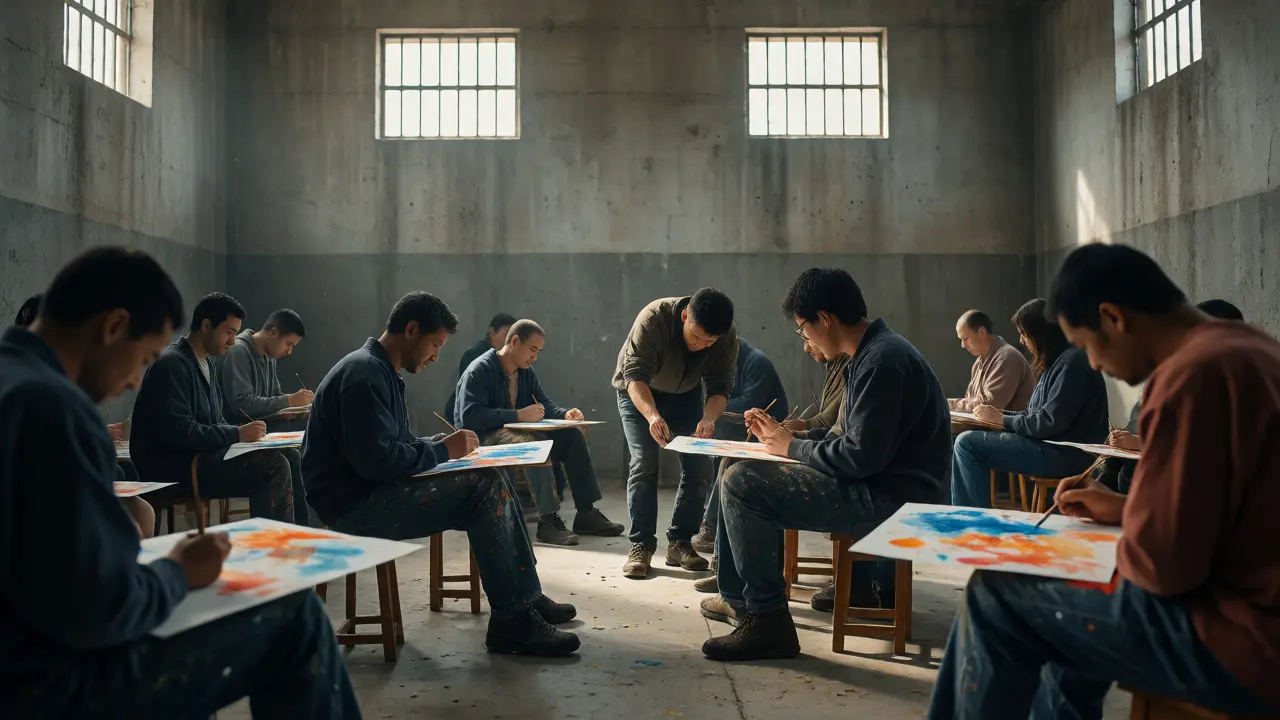
You might think a prison is just concrete bars and locked doors. But walk into many facilities today, and you’ll find something else entirely: paint splattered on jeans, the hum of a guitar being tuned, or the quiet intensity of someone learning to write poetry. These aren’t luxuries. They are lifelines. Volunteer-led recreation and arts programs are structured activities facilitated by community members that provide incarcerated individuals with creative outlets, physical activity, and social skills training. They bridge the gap between isolation and humanity. If you’ve ever wondered why these programs matter, or how they actually work behind walls, this guide breaks it down without the academic jargon.
Why Volunteers Fill the Gaps in Prison Programming
Correctional budgets are tight. State and federal departments of corrections often prioritize security and basic survival over enrichment. This leaves massive holes in programming. That’s where volunteers step in. Unlike staff, who have rigid schedules and security protocols, volunteers can bring specialized skills-like watercolor painting, yoga instruction, or Shakespearean theater-that the institution simply cannot hire for. It’s not about charity; it’s about efficiency. A volunteer teaching a weekly chess club costs the facility almost nothing but yields high returns in inmate behavior and morale.
Consider the logistics. A typical volunteer program requires background checks, orientation, and strict adherence to facility rules. But once inside, the dynamic shifts. The power imbalance softens. An artist teaching drawing isn’t an authority figure with keys; they’re a peer sharing a craft. This subtle shift allows incarcerated people to engage differently. They learn to collaborate, receive feedback, and express themselves in ways that routine yard time doesn’t allow. For the volunteer, it’s a chance to see the person behind the number. For the participant, it’s a reminder that their identity extends beyond their crime.
The Core Benefits: Mental Health and Recidivism Reduction
Let’s look at the hard numbers. Studies consistently show that access to education and vocational training reduces recidivism-the rate at which released individuals return to prison. The RAND Corporation, a leading research firm, found that inmates who participated in correctional education programs were 43% less likely to reoffend than those who didn’t. While this data often focuses on formal education, arts and recreation play a crucial supporting role. They address the mental health crisis within prisons, which is often the root cause of behavioral issues.
Depression and anxiety are rampant in correctional settings. Solitary confinement and overcrowding exacerbate these conditions. Creative expression offers a therapeutic release. When someone paints a landscape or writes a memoir, they process trauma. They regain a sense of agency. In a system designed to strip away control, holding a brush becomes an act of autonomy. Furthermore, recreational activities like basketball or weightlifting improve physical health, reducing healthcare costs for the state. It’s a win-win: better mental health leads to fewer disciplinary infractions, and better physical health lowers medical bills.
Types of Programs That Actually Work
Not all programs are created equal. Some fail because they don’t fit the environment or the participants’ needs. Successful initiatives usually fall into three categories: visual arts, performing arts, and physical recreation. Each serves a different purpose.
Visual Arts: Drawing, painting, and pottery classes are staples. Why? Because they require minimal space and materials compared to large-scale productions. More importantly, they produce tangible results. You can hold your finished piece. This provides immediate gratification and a sense of accomplishment. Many facilities partner with local art supply stores or nonprofits to fund materials. The output often goes to charity auctions, creating a feedback loop where the community sees the talent inside the walls.
Performing Arts: Theater and music groups demand more commitment. Rehearsals take months. Performances require coordination with prison administration for visitor access. But the payoff is huge. Performing Shakespeare or original plays forces participants to memorize lines, understand context, and project emotion. It builds discipline and public speaking skills. Music programs, whether choir or instrumental lessons, teach listening and harmony-literal metaphors for social cohesion.
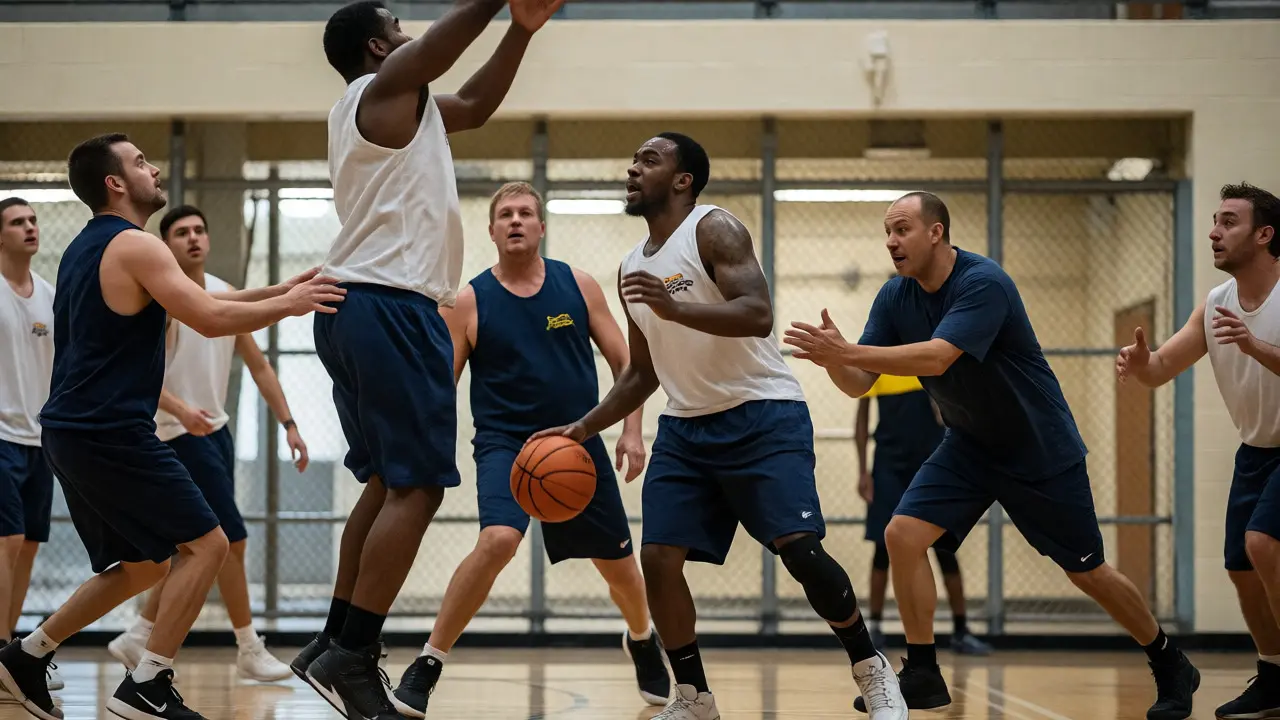
Physical Recreation: This goes beyond the standard yard hour. Organized sports leagues, yoga, and martial arts classes introduce structure and rules. Martial arts, in particular, teaches self-control and respect. It transforms aggression into focus. Yoga helps with stress management and mindfulness, offering tools that participants can use long after they leave the facility.
Overcoming Barriers: Security, Funding, and Stigma
Running a program in prison isn’t easy. The biggest hurdle is security. Every tool, every material, and every visitor must be vetted. Scissors are banned in some places; metal-tipped brushes might need supervision. Volunteers must navigate complex clearance processes that can take months. Bureaucracy kills momentum. If a volunteer gets denied entry due to a minor paperwork error, the class cancels. Consistency is key, but the system is often inconsistent.
Funding is another beast. Grants dry up. Donations fluctuate. Most programs rely on small, recurring donations from local communities. This makes sustainability tough. How do you keep a pottery kiln running when the grant cycle ends? Many successful programs diversify funding sources: individual donors, corporate sponsorships, and even selling artwork. Transparency is vital here. Showing donors exactly where their money goes-“$50 buys clay for ten students”-builds trust.
Then there’s stigma. The public often views prisoners as undeserving of “extras.” Critics ask, “Why give them art supplies when taxpayers are struggling?” The answer lies in public safety. Investing in rehabilitation saves money in the long run. Keeping someone out of prison is cheaper than housing them. Changing this narrative requires storytelling. Sharing success stories-like the former inmate who became a professional sculptor-humanizes the statistics. It shifts the conversation from punishment to preparation.
How to Start or Support a Program
If you’re interested in starting a program or volunteering, start small. Don’t try to launch a full symphony orchestra overnight. Begin with a single workshop. Here’s a practical roadmap:
- Research the Facility: Contact the education director or volunteer coordinator. Ask what’s already available and what gaps exist. Don’t duplicate efforts.
- Check Requirements: Understand the background check process. Some states require fingerprinting and drug tests. Be prepared for delays.
- Secure Materials: Identify low-cost, safe materials. Water-based paints are safer than oil. Softballs are preferred over baseballs for indoor games.
- Build Partnerships: Connect with local colleges or art schools. Students often need service hours and can serve as teaching assistants.
- Pilot the Program: Run a six-week trial. Gather feedback from participants and staff. Adjust based on what works.
For supporters who can’t volunteer directly, advocacy matters. Attend board meetings of local nonprofits. Donate specific items rather than cash if possible-prisons often have lists of needed supplies. Write letters to legislators supporting budget allocations for educational programming. Your voice adds pressure for systemic change.
| Program Type | Primary Skill Developed | Material Cost | Security Risk Level | Typical Duration |
|---|---|---|---|---|
| Drawing/Painting | Creativity, Focus | Low-Medium | Low (if no sharp tools) | Weekly, 1-2 hours |
| Theater/Drama | Communication, Teamwork | Low | Medium (space/scheduling) | Seasonal, 3-6 months |
| Yoga/Meditation | Stress Management, Discipline | Very Low | Low | Weekly, ongoing |
| Music Lessons | Patience, Motor Skills | High (instruments) | Medium (instrument inspection) | Weekly, ongoing |
The Ripple Effect Beyond the Walls
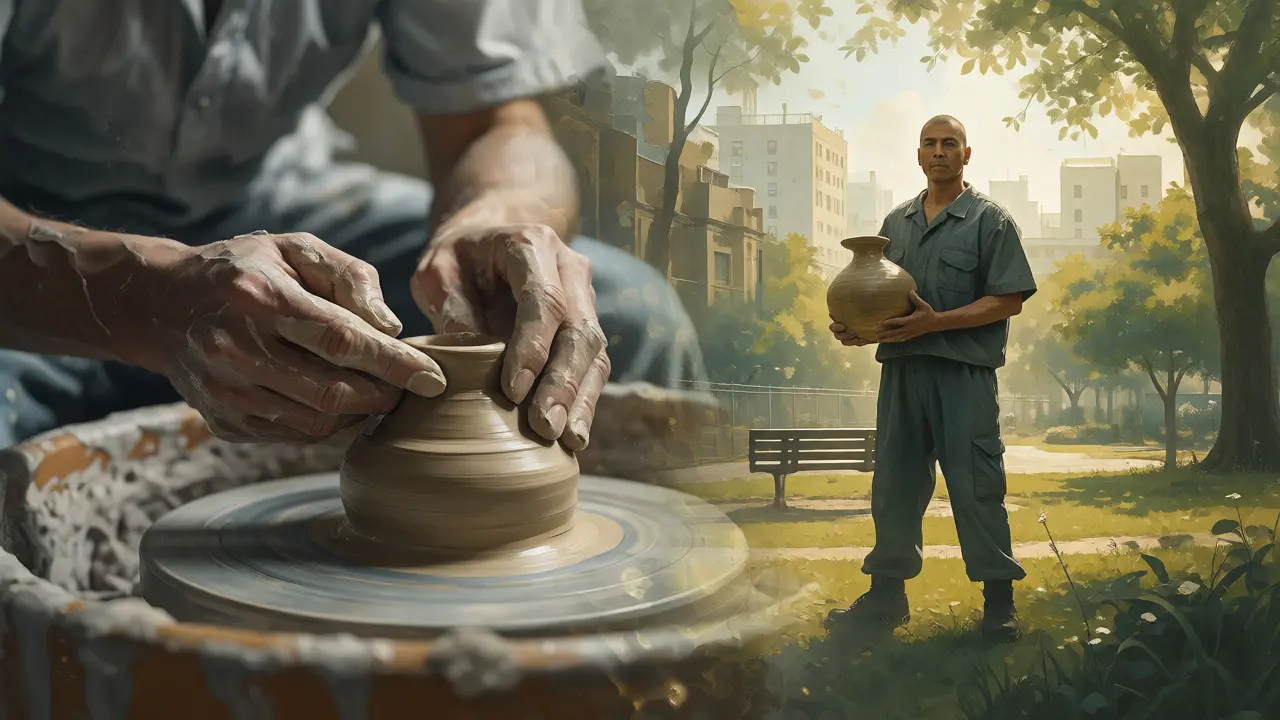
The impact of these programs doesn’t stop at the prison gate. Participants often maintain connections with their mentors. After release, many continue practicing their new skills. Some become artists, musicians, or coaches themselves. They create networks of support that reduce the shock of reentry. Society benefits too. Communities see formerly incarcerated individuals contributing positively. The stereotype of the “dangerous ex-con” fades when neighbors meet a talented painter or a disciplined athlete.
Moreover, these programs foster empathy among volunteers. Seeing the humanity in incarcerated people challenges preconceived notions. Volunteers often become advocates for criminal justice reform, pushing for policies that prioritize rehabilitation over pure incarceration. It creates a cycle of understanding that ripples outward, influencing families, workplaces, and local politics.
Frequently Asked Questions
Do volunteers need special qualifications to teach in prison?
Generally, no formal teaching degree is required. However, volunteers must pass a thorough background check, which may include fingerprinting and interviews. Specific skills relevant to the program (e.g., ability to play guitar) are necessary. Patience, reliability, and the ability to follow strict security protocols are often more important than credentials.
What happens if a volunteer misses a session?
Consistency is critical in correctional facilities. If a volunteer misses a session, the class may be canceled unless a substitute is arranged. Frequent cancellations can lead to the program being suspended. Volunteers are expected to commit to a regular schedule and notify coordinators well in advance of any absences.
Are there restrictions on what materials can be used?
Yes, security regulations strictly limit materials. Sharp objects like scissors or knives are often prohibited or restricted. Metal-tipped pens may be banned in favor of plastic ones. Paints must be non-toxic and washable. All materials are typically inspected upon entry and exit to ensure nothing unauthorized is brought in or taken out.
How do these programs affect prison staff?
Staff generally view these programs positively. Engaged inmates are less likely to cause disturbances, making the environment safer and calmer for guards. Staff also benefit from seeing positive interactions, which can improve overall morale. However, staff must supervise sessions, so administrative buy-in is essential for smooth operation.
Can family members participate in these programs?
It depends on the facility’s policy and the nature of the program. Some workshops allow family visits during performances or exhibitions. Others are strictly for enrolled participants to maintain focus and security. Family involvement is often encouraged in broader reentry planning but may be limited during active instructional sessions.