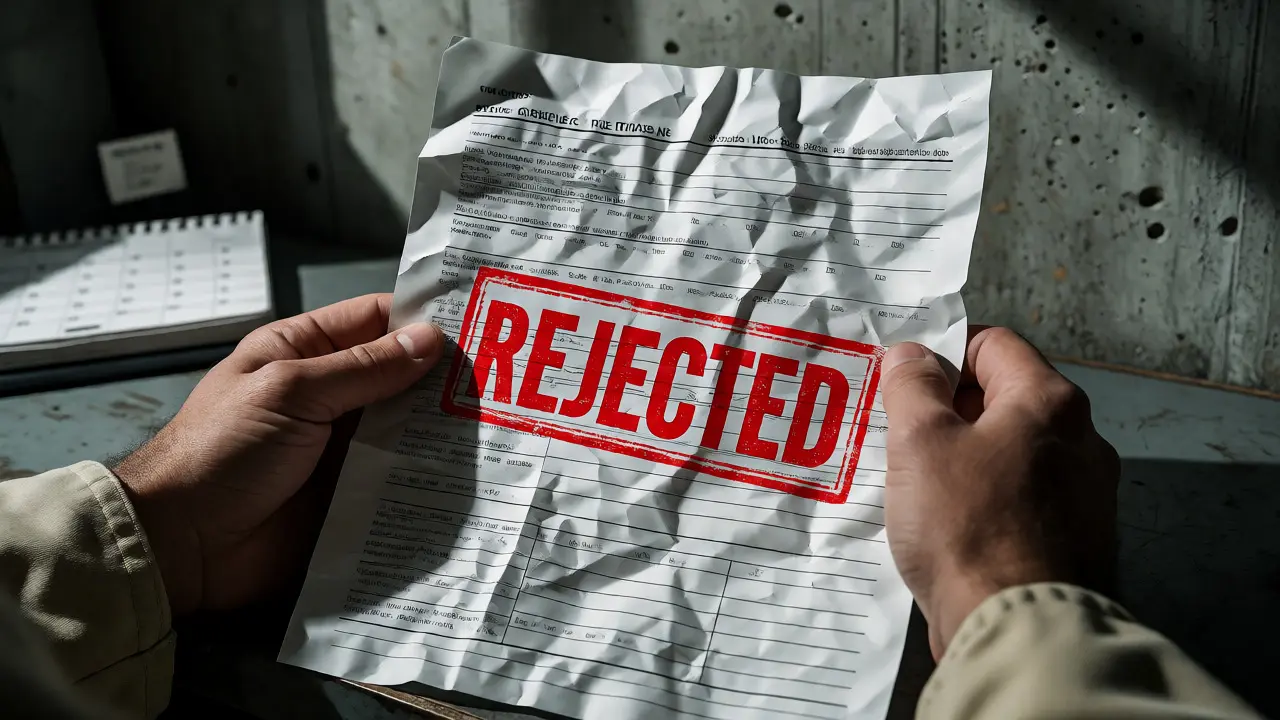
You filed a grievance because you were denied medical care, lost property, or hit by an unfair disciplinary ticket. You waited weeks, maybe months, for a response. Then it arrives: "Rejected." No explanation, just a stamp and a dead end. It feels like shouting into a void. But here is the truth most inmates don't realize until it's too late: most grievances aren't rejected because the prison is ignoring you. They are rejected because of procedural errors that are entirely avoidable.
If you want your complaint to actually reach a decision-maker who can fix your problem, you need to understand the machine. This isn't about being loud; it's about being precise. Whether you are in a state penitentiary or a county jail, the administrative remedy process has strict gates. If you miss one, you get locked out before anyone even reads your argument. Let’s break down exactly why these rejections happen and how you can write a grievance that sticks.
The Exhaustion Doctrine: Why Timing Is Everything
The single biggest reason for immediate rejection is failing to follow the timeline. Courts and prison administrators rely on what is called the exhaustion doctrine. Basically, you must try every internal step available to you before you can sue in federal court. But prisons enforce this strictly at their own level, too.
Most facilities have a hard deadline-often 15 to 30 days from the incident date-to file the initial grievance. If you wait three weeks because you were hoping the issue would resolve itself, you might already be barred. Once that window closes, the grievance officer doesn't look at the merits of your case. They look at the date. If it’s outside the window, they reject it as "untimely." There is no appeal for missing the deadline unless you can prove extraordinary circumstances, like being in solitary confinement without access to forms or being hospitalized.
- Check the clock: Know your specific facility’s filing window immediately upon arrival or when an incident occurs.
- Date everything: Write the date of the incident on the form clearly. Do not guess.
- Document delays: If you couldn’t file because guards refused to give you a form, note the time, date, and name of the guard. Keep a log.
Misusing the Grievance System for Non-Grievable Issues
Not every annoyance is a grievance. Prisons categorize issues into different buckets. Some things belong in a request slip, others in a parole board hearing, and some are purely judicial matters. A common rejection reason is "not grievable." This happens when inmates use the formal grievance system for things that require a different process.
For example, if you disagree with a disciplinary finding (a "write-up"), many systems require you to go through a specific appeal chain within the disciplinary unit first, not straight to a general grievance. Similarly, requests for commissary items or library books often fall under "request slips," which are informal. Filing a formal grievance for a missed meal delivery might get rejected if there’s a separate food service complaint box. Using the wrong channel creates a bottleneck. The reviewer sees it’s out of scope and rejects it to keep the docket clean.
| Issue Type | Correct Channel | Grievance Eligible? |
|---|---|---|
| Medical Neglect/Delay | Health Services Grievance | Yes (after informal attempt) |
| Disciplinary Ticket Appeal | Disciplinary Committee Review | No (usually requires specific appeal form) |
| Commissary Price Complaint | Request Slip / Vendor Form | No (unless systemic violation) |
| Unfair Cell Assignment | Housing Unit Manager | Maybe (if policy violated) |
Vague Descriptions and Lack of Evidence
Imagine handing a judge a note that says, "The guard was mean." That tells them nothing. Rejections often stem from vagueness. Administrators deal with hundreds of papers a week. If your grievance lacks specific details-who, what, where, when-they cannot investigate it. They will reject it for "insufficient information" or ask for resubmission, which wastes your time and potentially blows your deadline.
You need to treat your grievance like a police report. Be clinical. Instead of saying "I didn't get my meds," say "On October 12, I requested blood pressure medication during sick call. Officer Smith stated it was out of stock. I received no medication for five consecutive days." See the difference? One is an emotion; the other is a fact pattern.
Evidence is crucial. If you claim you were assaulted, did you take photos? Did you have witnesses? List their names and numbers. If you are claiming property loss, attach the inventory sheet. Without attached evidence, the administration assumes the burden of proof hasn't been met. They aren't required to hunt for facts; you are required to present them.
Procedural Missteps: The "Informal Resolution" Trap
Many states mandate an "informal resolution" step before you can file a formal grievance. This means you must first try to solve the issue with staff directly. If you skip this step, your formal grievance gets rejected instantly. Inmates often skip this because they feel ignored or fear retaliation. But skipping it hands the prison an easy out.
To pass this gate, you usually need to document your attempt. Ask a supervisor to speak with you. If they refuse or ignore you, write down the date, time, and location of your request. Some facilities provide a specific "Informal Resolution Form." Use it. Even if it feels pointless, getting that signature or noting the refusal proves you followed the rules. When you move to the formal stage, reference this attempt explicitly: "I attempted informal resolution on [Date] with [Staff Name], but the issue remains unresolved."
Repetitive Filings and Frivolous Claims
Have you filed the same grievance three times because you’re angry? The system notices. Most prisons have a rule against "duplicate filings." If you submit the exact same complaint while it’s still pending, or after it’s been decided, it gets rejected as duplicative. Worse, if you file multiple variations of the same issue across different units, you risk being labeled a "frivolous filer." This label can restrict your ability to file future grievances without paying fees or requiring pre-approval.
Don't spam the system. File once, follow up properly through the appeal levels, and wait for the outcome. If you have new information, add it to the appeal, don't start a new grievance. Patience looks like compliance to the administration, and compliance keeps your options open.
How to Draft a Grievance That Survives Review
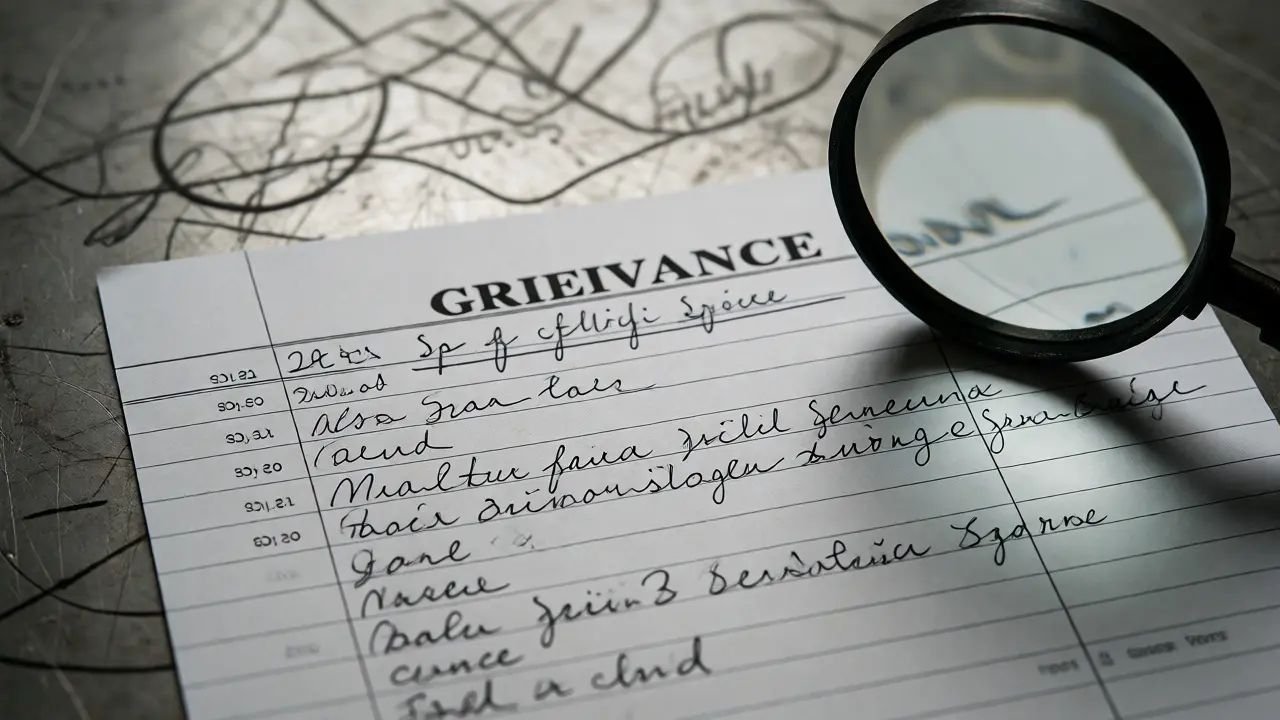
So, how do you write one that doesn't get tossed? Structure matters more than passion. Use a clear format.
- Header: Include your full name, ID number, housing unit, and the date of submission.
- Incident Date: State the exact date the problem occurred.
- Facts: Bullet points only. Chronological order. Who did what, when, and where.
- Policy Violation: Cite the specific rule broken. Look up the Department of Corrections (DOC) policy manual. For example, "Violation of Policy 4.12 regarding timely medical response."
- Requested Relief: What do you want? Money back? Transfer? Medication? Be specific. "Fix it" is too vague. "Provide prescribed insulin within 24 hours" is actionable.
Keep it under two pages. Long stories get skimmed. Short, factual narratives get read. Also, check your spelling. While not always a rejection reason, sloppy work signals lack of seriousness, and reviewers are human.
Navigating the Appeals Process
If your initial grievance is rejected, don't panic. Check the rejection code. Does it say "Untimely," "Not Grievable," or "Denied on Merits"? Each requires a different move. If it’s procedural, fix the procedure and refile if allowed. If it’s denied on merits, you move to the appeal stage.
Appeals are not just copies of the original grievance. You must address the reasons for the denial. If the warden said, "No policy violation found," your appeal must argue why the policy *was* violated, citing specific text. If they said, "Insufficient evidence," your appeal should point to overlooked witness statements or logs. An appeal that ignores the denial reasoning is almost guaranteed to fail.
Remember, the goal isn't just to complain; it's to create a paper trail. Even if you lose internally, a well-documented grievance history strengthens any future federal lawsuit under 42 U.S.C. § 1983, which protects civil rights violations by state actors. But you can't sue if you didn't exhaust your remedies. So, play the game correctly.
Can I file a grievance anonymously?
Generally, no. Most prison grievance systems require your name and ID number so they can verify your identity and track the history. Anonymous complaints may be logged but rarely trigger a formal investigation or allow for appeals. If you fear retaliation, document the grievance submission carefully and keep a copy.
What if I miss the filing deadline?
You can still file, but expect a rejection for being "untimely." To fight this, you must include a written explanation for the delay, such as being in segregation, hospitalization, or inability to obtain forms due to staff error. Attach any proof, like a medical record showing you were bedridden. Without proof, the deadline is usually absolute.
Do I need a lawyer to file a grievance?
No, you do not need a lawyer to file a prison grievance. The process is designed to be handled by inmates themselves. However, having a lawyer review complex cases involving medical neglect or excessive force can help ensure you cite the correct policies. Many law schools also have prison assistance clinics that offer free guidance.
How long does the grievance process take?
Timelines vary by state and facility, but typically, initial responses take 30 to 60 days. Appeals can add another 30 to 90 days per level. Federal laws like the Prison Litigation Reform Act (PLRA) set outer limits, but individual institutions often have faster internal targets. Always check your facility’s specific handbook for guaranteed response times.
Can I appeal a grievance denial to a federal court?
Yes, but only after you have exhausted all administrative remedies. This means you must have gone through every step of the prison’s internal grievance and appeal process. If you skipped a step or filed incorrectly, the federal court will likely dismiss your case regardless of its merit. Proper documentation of each step is vital for this transition.