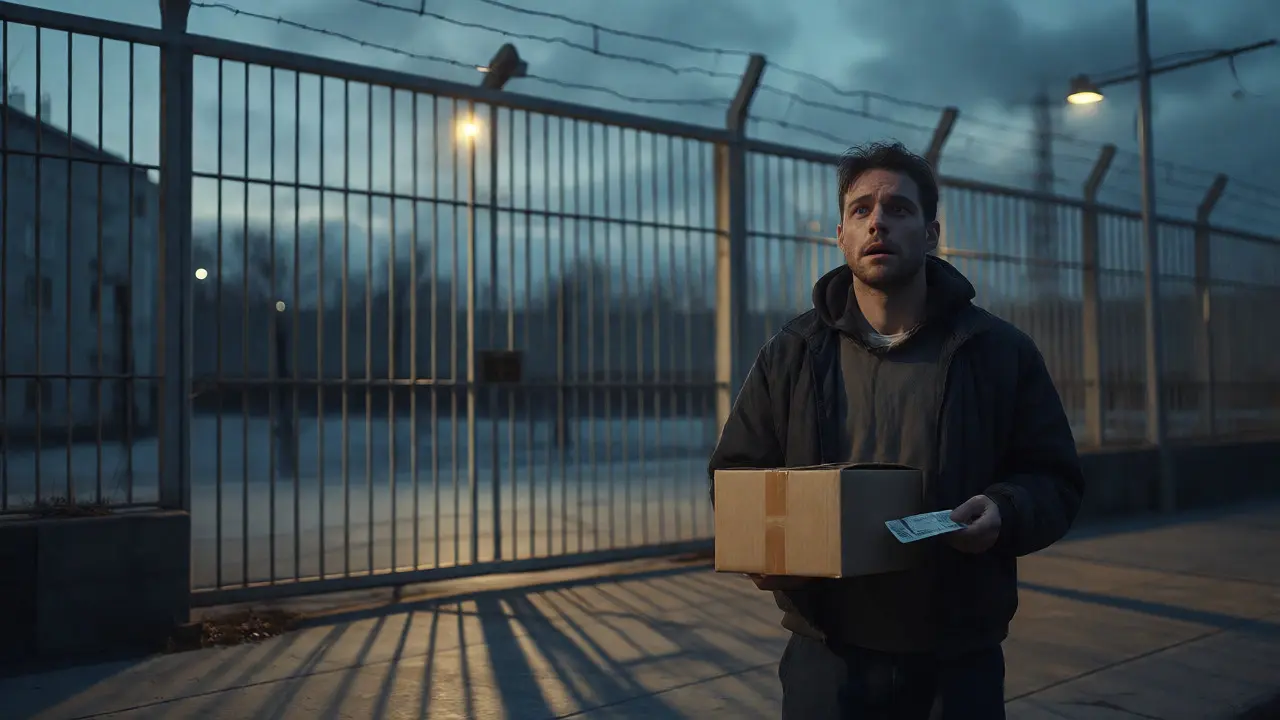
Walking out of prison is often described as a moment of freedom, but for many returning citizens, it feels more like stepping into a void. You have your release papers, maybe a bus ticket, and a destination address that might be a halfway house or a relative’s couch. But what about the noise in your head? The anxiety that spikes when you hear a siren? The depression that settles in when the initial rush of fresh air fades? This is where reentry services must evolve beyond just finding housing and jobs. We need to talk seriously about connecting returning citizens to mental health care in the community. If we ignore this piece of the puzzle, we are setting people up to fail before they even unpack their first box.
The Hidden Crisis Behind the Bars
Let’s look at the numbers, because they don’t lie. According to the Bureau of Justice Statistics, nearly half of all state prisoners and over two-thirds of jail inmates report symptoms of serious psychological distress. That is not a small footnote; that is the majority of the population moving through our justice system. Yet, when these individuals return to communities like Portland, Oregon, or anywhere else, the transition from institutional care to community-based care is often broken. Inside, you have structure. Outside, you have chaos. And without proper support, that chaos can lead to relapse, homelessness, or reincarceration.
Why does this gap exist? It usually comes down to three things: stigma, bureaucracy, and timing. Many returning citizens feel shame about seeking help, fearing it will make them look weak or unreliable to employers. Then there is the paperwork nightmare. Trying to get Medicaid approved while also securing an ID, a job application, and a place to sleep is a full-time job. Finally, timing is everything. The first thirty days post-release are the most critical. If you miss that window, the momentum of reentry stalls.
Why Community-Based Care Works Better
You might wonder why we emphasize "community" so much. Why not just keep people in hospital-like settings until they are "fixed"? The answer is simple: recovery happens in real life, not in a vacuum. Community mental health centers (CMHCs) offer a type of care that is accessible, local, and integrated with other social services. Unlike isolated psychiatric hospitals, CMHCs are embedded in neighborhoods. They understand the local context-the specific stressors of living in a high-cost city, the lack of transportation, or the cultural nuances of different communities.
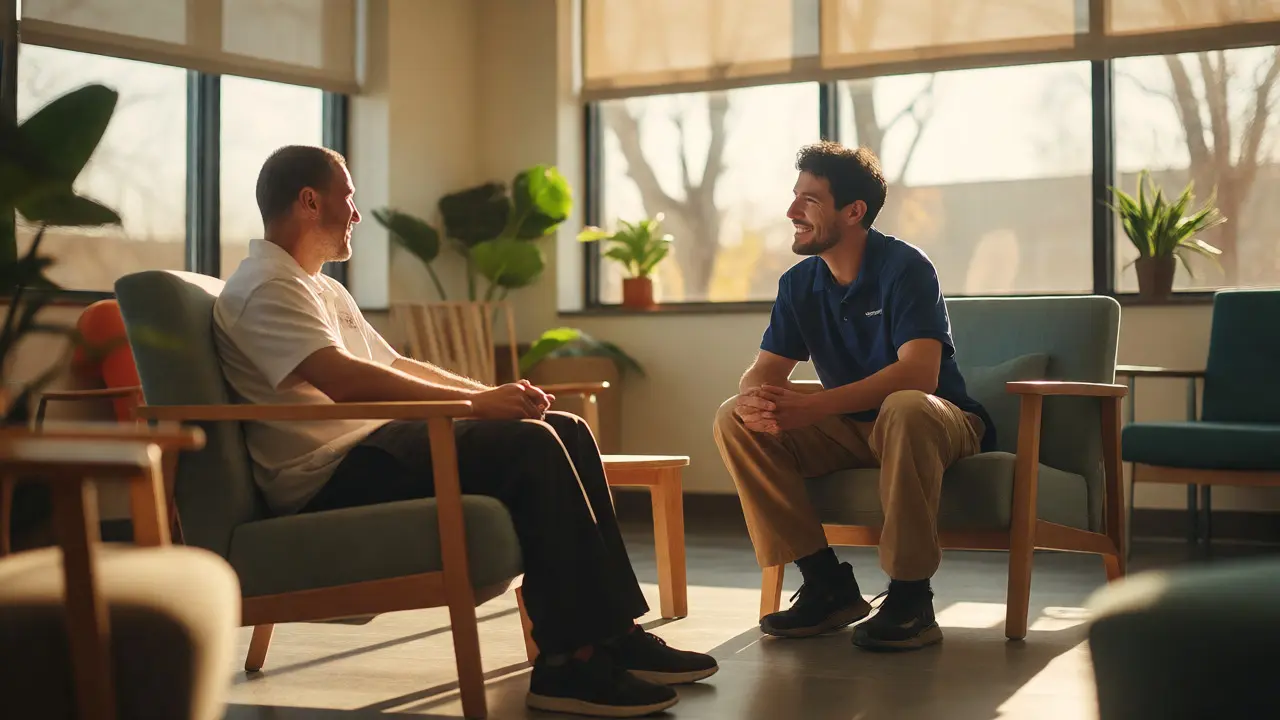
When care is delivered in the community, it allows for peer support models. Imagine talking to someone who has been exactly where you are-someone who served time, struggled with addiction, and found stability. That connection builds trust faster than any clinical assessment ever could. Programs like Assertive Community Treatment (ACT) teams bring therapists and case managers directly to the client, meeting them at coffee shops or parks rather than forcing them to navigate complex clinic appointments. This reduces barriers and keeps people engaged.
Navigating the System: A Practical Guide
If you are a caseworker, a family member, or a returning citizen trying to figure this out, here is how you actually connect to care. It is not enough to hand someone a phone number. You need a roadmap.
- Secure Insurance First: Before you leave custody, ensure Medicaid enrollment is initiated. In many states, pre-release enrollment programs allow coverage to start on day one of release. Without insurance, therapy costs hundreds of dollars per session-an impossible sum for someone starting from zero.
- Find a Culturally Competent Provider: Not every therapist understands the trauma of incarceration. Look for providers who specialize in "justice-involved populations." Ask direct questions: "Have you worked with clients recently released from prison? How do you handle mandatory reporting if I am on parole?"
- Leverage Peer Support Specialists: These are certified professionals with lived experience. They can guide you through the emotional hurdles that clinicians sometimes miss. They know which clinics are judgment-free zones and which ones aren't.
- Integrate with Housing Services: Mental health treatment fails if you are sleeping in your car. Prioritize supportive housing programs that include on-site counseling. Organizations like The Salvation Army or local nonprofits often bundle housing with basic behavioral health checks.
Breaking Down the Barriers
We need to be honest about what stops people from getting help. Stigma is still huge. In many cultures, especially within communities heavily impacted by mass incarceration, admitting you need mental health support is seen as a failure. We have to change that narrative. Mental health care is maintenance, just like fixing a car. You wouldn’t drive on a flat tire forever; why drive on a broken mind?
Another major barrier is the fear of surveillance. Parole officers require regular check-ins. Some returning citizens avoid therapy because they worry that anything they say will be reported back to their officer, potentially jeopardizing their freedom. Providers need to establish clear boundaries about confidentiality. Knowing that your therapist won’t call your PO unless there is an immediate risk of harm makes it easier to open up.
| Feature | Institutional Care (Prison) | Traditional Clinic | Community-Based Model |
|---|---|---|---|
| Accessibility | Mandatory/Controlled | Appointment-based | Flexible/Outreach-based |
| Continuity of Care | Ends at Release | Often fragmented | Integrated with social services |
| Stigma Level | Low (expected) | Medium | Low (peer-led) |
| Cost to Client | Covered by State | Insurance-dependent | Sliding scale/Grant-funded |
The Role of Technology and Telehealth
Since the pandemic, telehealth has changed the game. For someone without a car or with strict work hours, seeing a therapist via video call is a lifeline. However, there is a digital divide. Not everyone has a smartphone or reliable Wi-Fi. Successful reentry programs now provide tablets or data plans as part of their package. This isn’t just a nice-to-have; it’s essential infrastructure. If you can’t access the portal, you can’t access the care.
But technology has limits. You cannot hug a screen. Human touch matters. That’s why hybrid models work best. Use apps for daily mood tracking and reminders, but keep weekly in-person meetings for deep therapeutic work. Apps like Headspace or specialized CBT apps can help manage acute anxiety between sessions, giving clients tools to use when panic hits at 2 AM.

What Communities Can Do Right Now
This isn’t just on the shoulders of the individual or the government. Local communities have power. Neighborhood clinics can train staff specifically on trauma-informed care for formerly incarcerated people. Employers can partner with mental health agencies to offer employee assistance programs that cover therapy for new hires coming from prison. Churches and community centers can host support groups that normalize the conversation.
In Portland, for example, initiatives like the Multnomah County Department of Community Justice have started integrating behavioral health screening earlier in the diversion process. Other cities should follow suit. Screening shouldn’t happen only after a crisis. It should happen during intake, when a person is still motivated to change.
We also need to fund peer mentors. Paying people who have successfully navigated reentry to guide others is one of the highest-ROI investments we can make. They bridge the trust gap that professional clinicians sometimes struggle to cross. They speak the language. They know the shortcuts. They prove that recovery is possible.
Final Thoughts on Sustainable Recovery
Connecting returning citizens to mental health care isn’t charity; it’s public safety. When someone heals their mind, they stabilize their life. They keep their jobs. They stay housed. They become neighbors, not statistics. The current system drops too many people off a cliff. We need a ramp. That ramp is built with accessible insurance, compassionate providers, peer support, and community integration.
If you are working in this field, ask yourself: Are we just processing cases, or are we building lives? The difference lies in whether we treat mental health as an afterthought or as the foundation of reentry. Let’s stop waiting for the next crisis. Let’s build the bridge now.
How quickly can a returning citizen access mental health services after release?
It varies by location and insurance status. Ideally, pre-release planning ensures Medicaid is active on day one, allowing access within weeks. Without pre-enrollment, it can take months. Emergency rooms can provide immediate stabilization, but long-term care requires scheduling.
Will my parole officer know if I attend therapy?
Generally, yes, if therapy is a condition of parole. However, the content of the sessions is confidential. Your officer may receive proof of attendance but not the details of what you discussed, unless there is a risk of self-harm or harm to others.
What is the difference between a psychologist and a peer support specialist?
A psychologist is a licensed clinician trained in diagnosis and therapy techniques. A peer support specialist has lived experience with mental health or substance use issues and provides mentorship, advocacy, and practical guidance based on shared experiences.
Are there free mental health resources for returning citizens?
Yes. Federally Qualified Health Centers (FQHCs) offer sliding-scale fees based on income. Nonprofits, religious organizations, and university training clinics also provide low-cost or free counseling services specifically targeting underserved populations.
How does stigma affect mental health care utilization for former inmates?
Stigma leads to underutilization. Many fear being labeled "crazy" or worried that seeking help implies weakness or instability to employers and parole boards. Overcoming this requires normalizing mental health care and using peer models to reduce shame.