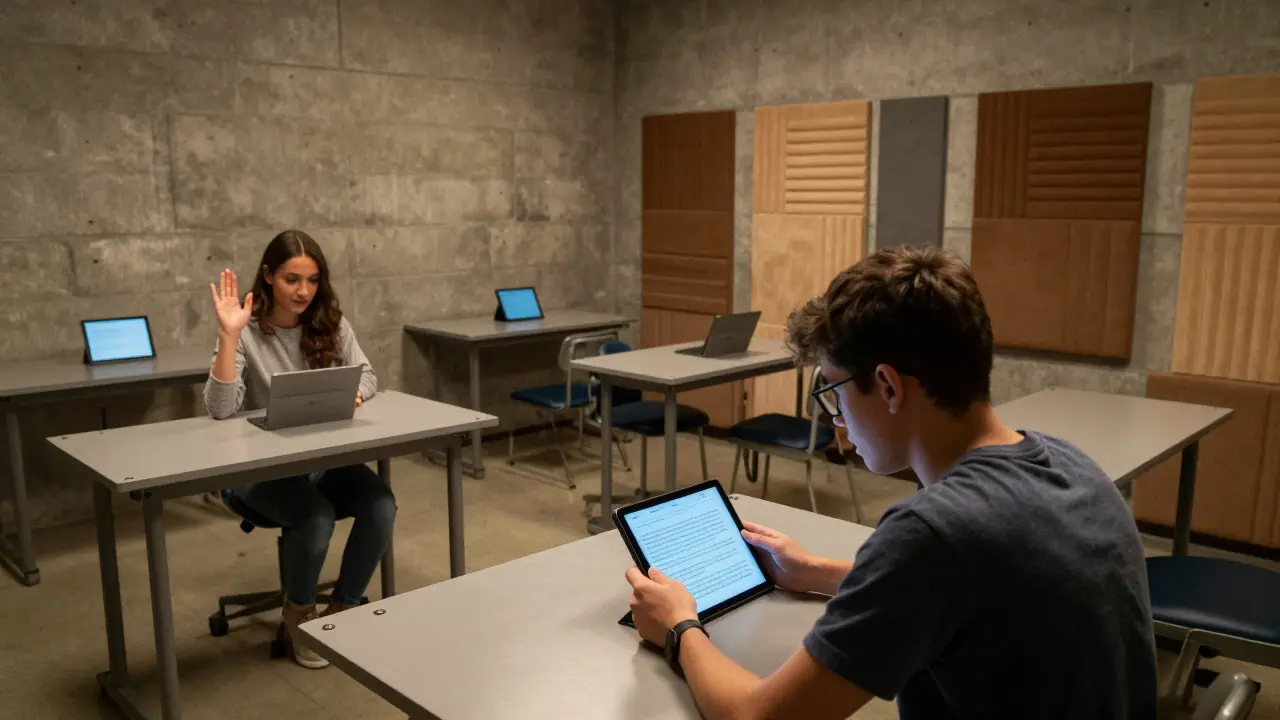
Imagine a classroom where the lighting is harsh, the desks are bolted to the floor, and half the students have never held a pencil since middle school. Now imagine that same room becoming a place where a man with dyslexia finally understands fractions, or a woman recovering from trauma feels safe enough to raise her hand. That shift doesn’t happen by accident. It happens when we stop treating prison education as a one-size-fits-all lecture and start designing accessible curriculum for the messy, complex reality of incarcerated lives.
Incarcerated populations are among the most underserved learners in America. High rates of untreated mental health conditions, sensory impairments, low literacy levels, and cultural barriers mean that standard textbooks often fail before they even open. But when we get it right, the impact is profound. Recidivism drops, reintegration becomes smoother, and human dignity is restored. Here is how you can build educational programs that actually work for everyone.
Understanding the Learner Profile in Correctional Settings
Before you pick a single textbook, you need to understand who is sitting in front of you. The average age of an incarcerated person is rising, but so is the complexity of their needs. According to data from the Bureau of Justice Statistics, roughly 60% of state prisoners have a serious mental illness, and nearly 50% report having a disability at some point in their lives. These aren't edge cases; they are the majority.
Your first step is a comprehensive needs assessment. This isn't just about checking boxes for physical disabilities. You need to map out:
- Cognitive Barriers: How many students have undiagnosed learning differences like ADHD or dyscalculia?
- Sensory Limitations: Are there individuals with visual or hearing impairments who lack assistive technology?
- Literacy Levels: What percentage of your cohort reads below a 4th-grade level?
- Psychological Safety: Do students feel judged by staff, which inhibits participation?
This data drives everything else. If 70% of your class struggles with reading comprehension, a text-heavy algebra course will fail. Instead, you might prioritize visual math tools or oral storytelling techniques. Understanding the specific mix of needs in your facility allows you to tailor the environment before you even teach the first lesson.
Core Principles of Inclusive Design for Incarcerated Students
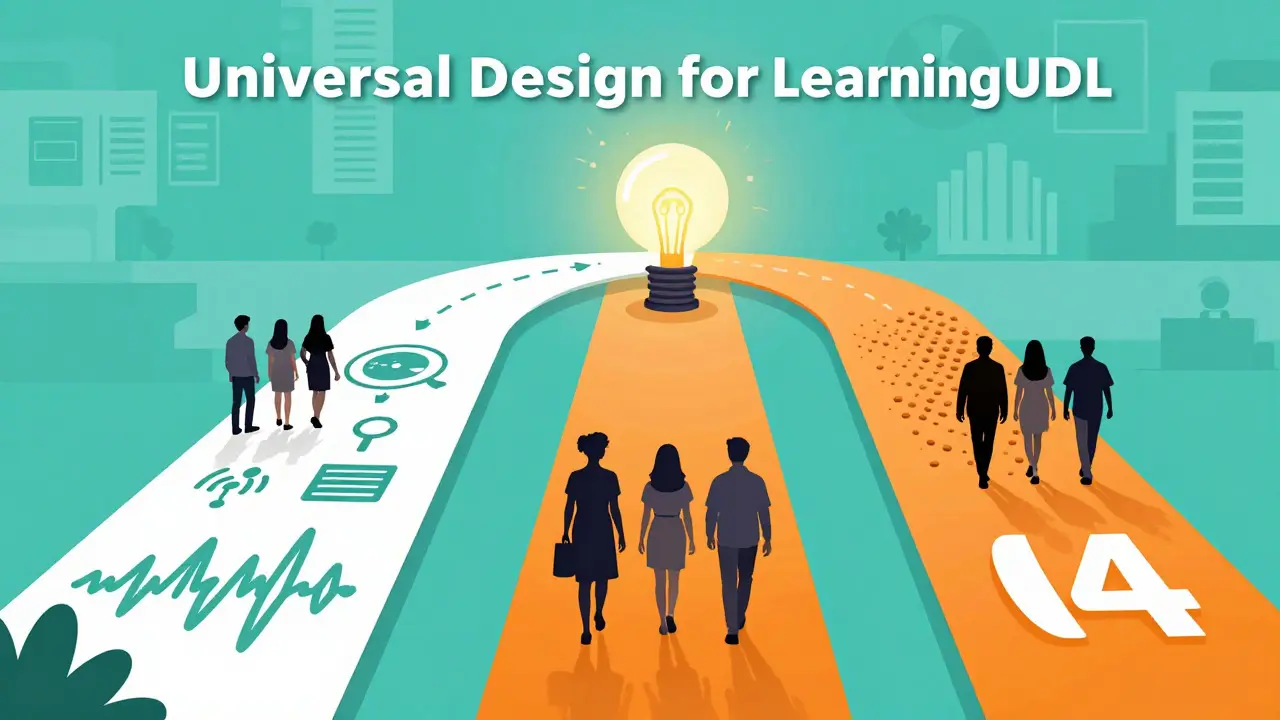
Universal Design for Learning (UDL) is the gold standard here, but in prisons, it needs adaptation. UDL suggests providing multiple means of engagement, representation, and action. In a correctional context, this translates into practical adjustments that respect security protocols while maximizing accessibility.
Consider the concept of "multiple means of representation." Instead of relying solely on written instructions, provide audio recordings of lectures for those with visual processing issues. Use large-print materials for older inmates or those with declining eyesight. For non-native English speakers, incorporate bilingual glossaries or visual aids that transcend language barriers. The goal is to remove unnecessary friction between the student and the knowledge.
Engagement is equally critical. Many incarcerated individuals have experienced significant trauma, making traditional classroom dynamics-like public speaking or group debates-intimidating. Create low-stakes ways to participate. Anonymous question slips, digital forums, or small-group discussions can help students engage without the fear of being singled out. When students feel psychologically safe, their cognitive load decreases, and learning efficiency increases.
Adapting Content for Cognitive and Sensory Diversity
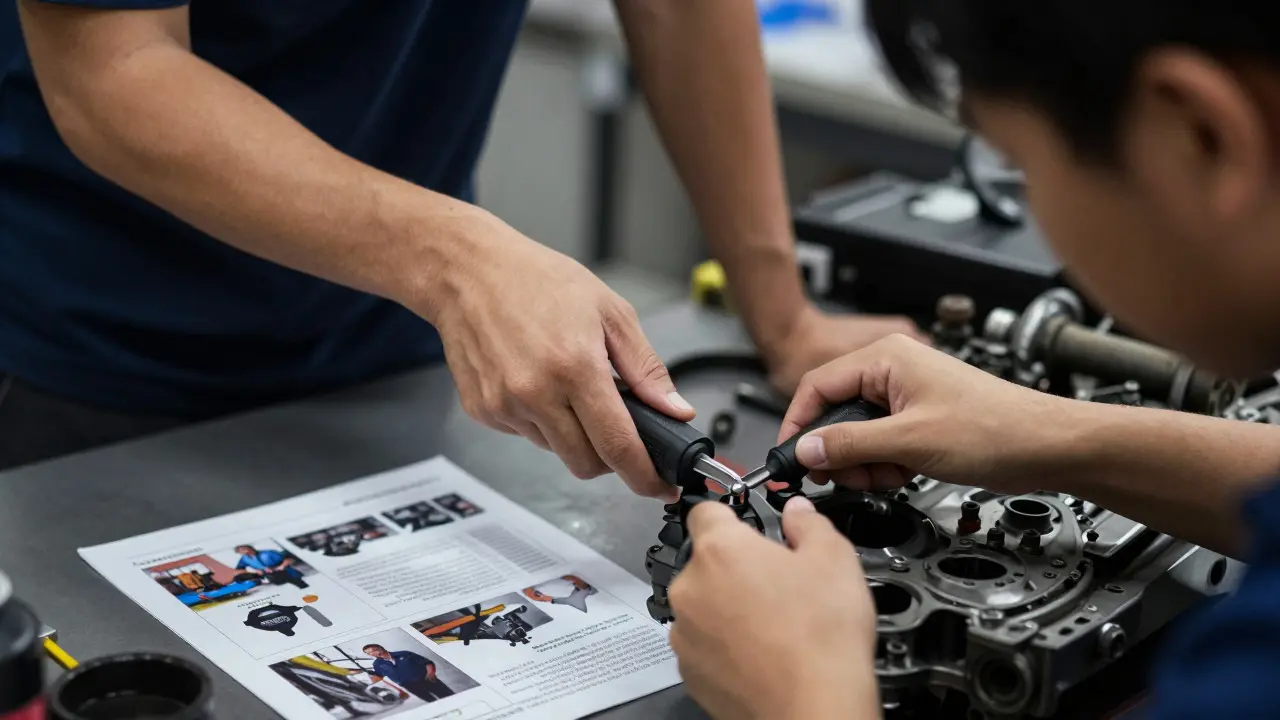
Let’s look at concrete examples. Suppose you are teaching a vocational course in automotive repair. A standard manual might be dense with technical jargon. An accessible version would break tasks into smaller, numbered steps with photos or diagrams for each phase. For a student with auditory processing disorder, noise-canceling headphones during lab work can make a massive difference in concentration.
For academic subjects like history or literature, consider multi-modal assignments. Instead of requiring a 10-page essay, allow students to submit a recorded podcast episode, a video documentary, or a detailed infographic. This honors different strengths. A student who struggles with writing but excels at oral communication can demonstrate mastery of the material without being penalized for their medium.
Technology plays a huge role here, but it must be robust and secure. Tablets with screen readers, speech-to-text software, and adjustable font sizes are essential. However, ensure these devices are compatible with your facility’s security systems. Partner with IT early to avoid situations where an assistive tool gets blocked by a firewall meant to prevent contraband transfers.
| Feature | Standard Approach | Accessible/Inclusive Approach |
|---|---|---|
| Instruction Delivery | Lecture-based, text-heavy slides | Multimodal: audio, video, hands-on demos, large print |
| Assessment Method | Written exams only | Varied options: oral defense, project-based, adaptive testing |
| Classroom Environment | Fixed seating, high noise | Flexible seating zones, quiet corners, noise-reducing materials |
| Pacing | Uniform pace for all | Self-paced modules with checkpoints for individual progress |
| Language Support | English-only materials | Bilingual resources, visual glossaries, simplified syntax |
Staff Training: The Human Element of Accessibility
You can have the best curriculum in the world, but if the instructor doesn’t know how to use it, the effort is wasted. Staff training is not a one-time workshop; it is an ongoing process. Educators in prisons often come from K-12 backgrounds, which prepares them for able-bodied, neurotypical students. They need specific coaching on managing diverse learning needs in a high-security environment.
Trainers should focus on practical skills:
- How to modify lesson plans on the fly when a student shows signs of distress or confusion.
- Techniques for de-escalation that support learning rather than shutting it down.
- Use of assistive technologies effectively.
- Cultural competency: understanding how race, gender, and background influence learning styles.
Create a feedback loop where students can anonymously rate their instructors’ effectiveness in making content accessible. This data helps identify gaps in staff training and ensures that accessibility remains a priority, not an afterthought.
Overcoming Systemic Barriers and Security Constraints
Security is the elephant in the room. Every change you propose must pass through the lens of institutional safety. For example, allowing tablets might seem simple, but if the device has a camera, it could be seen as a risk. Work with security administrators to define clear protocols for assistive tech. Document the benefits of accessibility in terms of reduced behavioral incidents and lower recidivism costs. Data speaks louder than ideals in budget meetings.
Another barrier is space. Prison classrooms are often cramped. Design modular lessons that can be taught in smaller groups or even individually. Micro-learning modules, which take 10-15 minutes to complete, fit well into tight schedules and limited spaces. They also allow for frequent breaks, which is crucial for students with attention deficits.
Funding is another hurdle. Grant applications should highlight the long-term ROI of accessible education. Cite studies showing that every dollar spent on prison education saves four to five dollars in future incarceration costs. Frame accessibility not as a luxury, but as a cost-saving strategy that improves outcomes for both the individual and the system.
Evaluating Success: Metrics Beyond Test Scores
How do you know if your accessible curriculum is working? Traditional metrics like test scores are insufficient. You need a broader set of indicators:
- Participation Rates: Are more students attending voluntarily?
- Completion Rates: Are students finishing courses they previously dropped?
- Student Feedback: Do students report feeling more confident and capable?
- Post-Release Outcomes: Are graduates finding jobs or continuing education more easily?
Conduct regular surveys using plain language. Ask questions like, "Did you feel you could understand the material today?" or "Was there anything that made it hard for you to learn?" Track these responses over time to see trends. If participation rises and dropout rates fall, your accessibility efforts are likely paying off.
Remember, designing accessible curriculum is not a destination. It is a continuous cycle of listening, adapting, and improving. As new research emerges and student populations shift, your program must evolve too. By keeping the focus on the human behind the bars, you create an educational experience that truly transforms lives.
What is the most common barrier to learning in prisons?
The most common barrier is often a combination of low baseline literacy and unaddressed learning disabilities. Many incarcerated individuals missed years of schooling due to poverty or instability, leading to significant gaps in foundational skills that make advanced coursework difficult without targeted intervention.
How can we make vocational training accessible for people with physical disabilities?
Vocational training can be adapted by using ergonomic tools, adjustable workstations, and task analysis to break complex jobs into manageable steps. For example, in auto repair, hydraulic lifts and power tools can reduce physical strain, while clear visual guides help those with cognitive challenges follow procedures accurately.
Does accessible curriculum really reduce recidivism?
Yes, indirectly. When education is accessible, more people complete their courses. Completion correlates strongly with better post-release outcomes, such as employment and housing stability. Since unemployment is a major driver of reoffending, increasing completion rates through accessibility directly contributes to lower recidivism rates.
What technology is most effective for blind or visually impaired inmates?
Screen reader-compatible tablets and audiobooks are highly effective. Braille displays are useful but expensive and bulky, so audio-first approaches are often more practical in prison settings. Ensure all digital content is tagged properly for screen readers to function correctly.
How do we handle resistance from staff who think accessibility slows down classes?
Address resistance by demonstrating efficiency gains. Show data that inclusive methods lead to higher retention and fewer behavioral disruptions. Provide staff with easy-to-use templates and quick-reference guides so implementing accessibility feels less like extra work and more like a streamlined part of the teaching process.