
Imagine you’re standing in line at the prison gate, holding your ID and a bag of snacks for your loved one. You’ve been approved to visit. But then, an officer stops you, asks you to empty your pockets, and maybe even step into a private room for a quick check. It feels invasive, stressful, and frankly, unfair if you’ve never done anything wrong. Yet, here’s the question that keeps families up at night: does this moment define your next visit? Will a recent strip search or a minor rule slip-up during entry stop you from seeing your person again?
The short answer is usually no, but it depends on how you handle the situation. Most correctional facilities don’t keep a permanent “strike” against visitors just because they were searched thoroughly. However, the way officers document your interaction matters more than the search itself. If the log says you “cooperated,” you’re safe. If it says you “resisted” or “concealed items,” that note travels with your file. Understanding this distinction can save you from unexpected bans.
Why Officers Conduct These Searches
To understand the impact, you first need to know why these checks happen. Prisons are high-security environments where contraband like phones, drugs, and cash can disrupt operations or endanger staff. A Strip Search is a physical inspection method used by correctional officers to detect hidden contraband, typically requiring visitors to remove clothing down to undergarments. Unlike a pat-down, which uses hands, a strip search relies on visual observation. It’s often random, but sometimes triggered by behavioral cues or intelligence tips.
These searches aren’t personal attacks. They are standard protocol in many state and federal systems. For example, in Oregon, the Department of Corrections (ODOC) follows specific guidelines for visitor screening. While policies vary by county jail versus state prison, the core logic remains the same: prevent items from entering the secure zone. When you grasp that the goal is security, not punishment, it becomes easier to stay calm during the process. Calmness is key because stress often leads to fidgeting, which officers might misinterpret as hiding something.
The Difference Between a Search and a Violation
This is where most confusion lies. Being searched is not a violation. Having something found is a violation. Let’s break down the scenarios:
- Standard Check: You pass through metal detectors, empty pockets, and maybe remove shoes. No notes are made unless there’s an issue. Your future visits are unaffected.
- Secondary Inspection: An alarm goes off, or an officer spots a bulge. You go to a side room. You show them the item (say, a large coin or a tool). You explain it. If it’s allowed, you proceed. Again, usually no negative mark.
- Contraband Found: You have a phone, gum (in some places), or a pen. This is a violation. The item is confiscated, and you may be barred from visiting for 30 days, 6 months, or permanently, depending on the severity.
- Behavioral Issue: You argue, touch the officer, or refuse to follow instructions. This is often treated more seriously than the item itself. Resistance can lead to immediate removal and a longer ban.
The critical factor is documentation. Correctional officers use digital logs or paper forms. If they write “visitor cooperated with secondary search,” that’s neutral. If they write “visitor appeared nervous, required strip search, no contraband found,” it’s still generally neutral. But if they write “visitor delayed processing, potential concealment suspected,” that raises a red flag for future approvals.
How Documentation Affects Future Approvals
When you apply for or renew visiting privileges, the system checks your history. In most cases, “history” means violations, not searches. A strip search alone doesn’t trigger an automatic review. However, if you have multiple instances of being pulled aside for secondary inspections within a short period, administrative staff might flag your file for manual review. This isn’t a punishment; it’s a risk assessment.
Consider this scenario: You visited three times in two months. Each time, you had to remove your belt and shoes. No contraband was found. On the fourth visit, the officer sees the pattern in the log. They might ask you extra questions at the gate. If you answer clearly and honestly, you pass. If you seem evasive, they might deny entry that day. But will they ban you? Unlikely, unless you have prior violations. The system is designed to catch repeat offenders, not cautious visitors.
That said, context matters. If you are visiting a high-security unit, the threshold for suspicion is lower. Officers are trained to look for subtle signs of carrying items. If you wear bulky clothing, carry a large bag, or arrive late, you increase your chances of a thorough check. This doesn’t hurt your approval status directly, but it creates friction that can delay your entry and stress everyone involved.
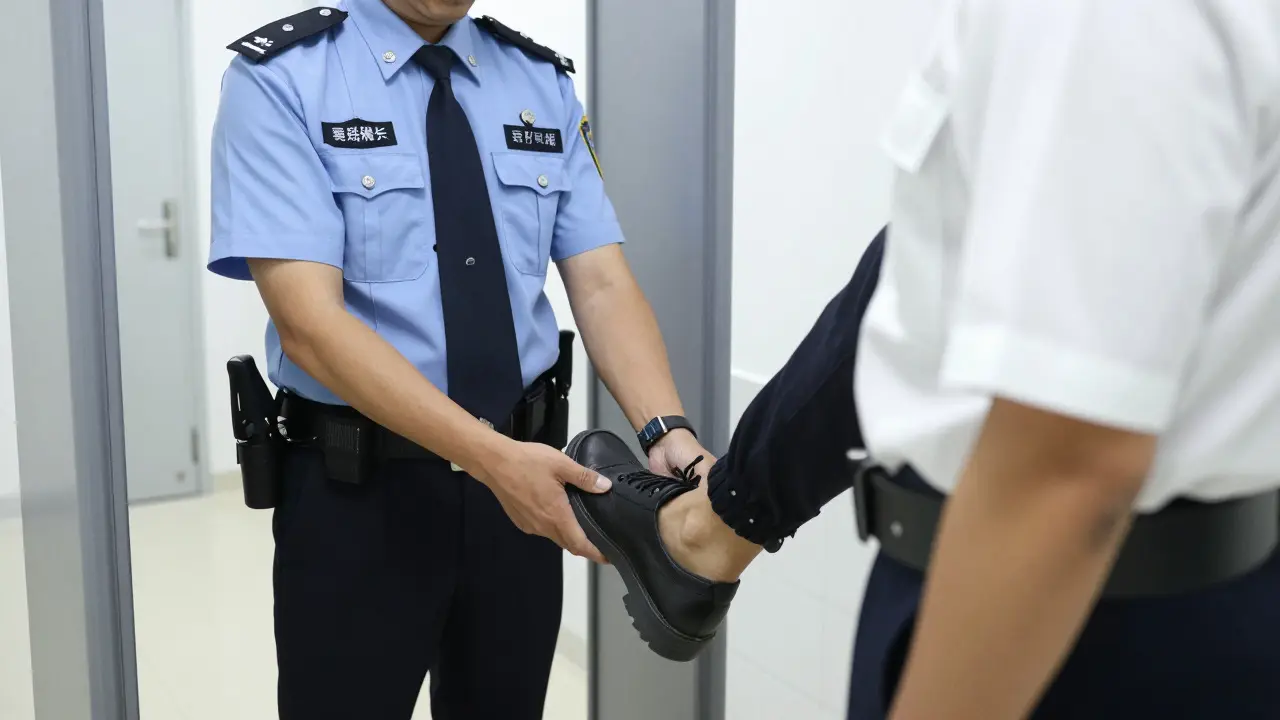
Practical Tips to Protect Your Visitation Rights
You can reduce the likelihood of negative outcomes by following simple protocols. Think of it as preparing for a job interview: presentation matters.
- Wear Simple Clothing: Avoid heavy belts, large buttons, or pockets that can hold objects. Jeans and t-shirts are best. This minimizes what needs to be removed during a search.
- Carry Minimal Items: Bring only your ID and any required paperwork. Leave wallets, keys, and electronics in your car. If you have nothing to hide, the search is faster and less intrusive.
- Stay Calm and Cooperative: If asked to step aside, do it immediately. Don’t ask “why?” before complying. Ask questions after the search is done. Cooperation is noted positively.
- Know the Rules: Check the specific facility’s website for prohibited items. Some prisons allow pens; others don’t. Some allow gum; others ban it. Ignorance isn’t an excuse when contraband is found.
- Keep Records: If you feel a search was excessive or unprofessional, note the date, time, and officer’s badge number. You don’t need to confront them on the spot, but having details helps if you need to appeal a denial later.
These steps don’t guarantee you’ll skip the search, but they ensure that if you are searched, the outcome is clean. A clean record keeps your visiting privileges intact.
What If You Get Banned After a Search?
Sometimes, despite doing everything right, a mistake happens. Maybe an officer assumed a legal medication bottle was contraband. Or maybe a previous incident from years ago resurfaced. If you receive a notice denying your next visit, read it carefully. It should state the reason and the duration of the ban.
If the reason is “contraband found,” you have limited options. You can request a hearing to prove the item was legal. Bring receipts, prescriptions, or witness statements. If the reason is “behavioral,” focus on showing you’ve completed any required classes or that the incident was isolated. Many facilities offer a “probationary visit” program where you can visit under stricter supervision to rebuild trust.
Don’t ignore the notice. Appealing within the stated timeframe is crucial. Most bans are temporary, ranging from 30 days to one year. Permanent bans are rare and usually reserved for major offenses like smuggling large quantities of drugs or threatening staff.

Comparison of Search Types and Consequences
To make this clearer, here’s a breakdown of common search scenarios and their typical impacts on future visits:
| Search Type | Typical Trigger | Documentation Note | Future Visit Impact |
|---|---|---|---|
| Metal Detector Only | Random or standard procedure | No note or “Passed” | None |
| Pat-Down | Alarm or visible bulge | “Secondary check, no issues” | None |
| Strip Search | Suspected concealment or high-risk profile | “Visual inspection, no contraband” | None (unless behavior was poor) |
| Contraband Found | Phone, drug, cash, etc. | “Violation: [Item Name]” | Ban (30 days to permanent) |
| Resistance | Arguing, touching, delaying | “Non-cooperative” | Possible extended ban or review |
Notice that the strip search itself has no negative impact if the result is clean. The danger lies in what is found or how you behave during the process. This table serves as a quick reference for what to expect and what to avoid.
Common Myths About Visitor Bans
There are plenty of rumors circulating among families. Let’s clear up a few.
Myth 1: One strip search equals a strike. False. Strikes are for violations. Searches are procedures. You can be strip-searched ten times and still have a clean record if you find nothing and behave well.
Myth 2: Wearing certain clothes gets you banned. False. Unless the clothes contain contraband, they are fine. However, wearing heavy jackets might slow down the process, leading to more scrutiny, but not a ban.
Myth 3: Officers can ban you on a whim. Mostly false. Bans require documentation and often supervisor approval. While discretion exists, arbitrary bans are hard to sustain on appeal because they lack a paper trail.
Myth 4: If you’re not banned, you’re safe forever. True, but only until you commit a violation. Past searches don’t haunt you, but past mistakes do.
Next Steps for Families and Visitors
If you’re planning a visit soon, take these actions now:
- Call the facility’s main line and ask for the current visitor handbook. Policies change, and websites can be outdated.
- Check if there are any new restrictions due to staffing shortages or security alerts.
- Prepare your outfit the night before. Simple, light, and pocket-free.
- Bring a friend or family member to wait outside. Sometimes, having support reduces anxiety, which helps you stay calm inside.
- If you have a history of issues, consider requesting a pre-visit meeting with a case manager to clarify expectations.
Remember, the goal is connection. The search is just a hurdle. By understanding the mechanics behind these checks, you turn fear into preparation. And preparation is the best defense against losing your visiting rights.
Does a strip search automatically mean I violated the rules?
No. A strip search is an investigative procedure, not a penalty. It is conducted to verify that no contraband is hidden. If nothing is found and you cooperate, it is recorded as a routine check, not a violation.
How long does a note from a search stay in my file?
Routine search notes are often kept for the duration of your current visiting privilege cycle, which might be six months to a year. Violation notes are kept permanently. If you have no violations, old search records rarely affect new approvals.
Can I refuse a strip search?
Technically, yes, but refusing usually means you cannot enter. If you refuse, you are denied entry for that visit. Repeated refusals might be logged as non-cooperation, which could complicate future approvals. It is generally better to comply to maintain access.
What items are most commonly found during strip searches?
Cell phones, cash, tobacco products, and small tools are the most frequent finds. Occasionally, larger items like knives or drugs are discovered. The type of item determines the length of the ban.
Do different states have different rules for visitor searches?
Yes. While the general principle of security is universal, specific procedures vary. Some states require video recording of all secondary searches, while others rely on officer testimony. Always check your specific state’s Department of Corrections guidelines.