
You packed your bag, took the day off work, and drove three hours to the state penitentiary. You’re standing at the gate, ID in hand, ready to see your brother or your kid. Then comes the bad news: "Visit denied." No clear reason, just a shrug from the guard. It’s frustrating, disorienting, and feels unfair. But here is the truth most families miss: a denial isn’t always final. You have rights, and you have a process.
Appealing a denied prison visit is a formal request to review a correctional officer's decision to refuse entry to a visitor based on security, behavioral, or administrative grounds can be complex. Rules vary wildly between federal prisons, state facilities, and local jails. However, the core mechanics of challenging a refusal remain similar across most systems in the United States. This guide breaks down exactly what to do when you get that "no," how to gather the right proof, and which timelines matter most so you don’t lose your chance to see your loved one.
Understand Why Your Visit Was Denied
Before you write an appeal letter, you need to know the specific reason for the rejection. "Denied" is too vague. Correctional facilities operate under strict codes, and every denial must stem from a documented policy violation. If the guard didn’t tell you why, ask for it immediately. Write it down. If they say "policy," ask for the specific code number or regulation section.
Most denials fall into three buckets:
- Security Concerns: This includes contraband found during inspection, failure to pass metal detectors, or recent gang-related flags. For example, wearing clothing with specific colors associated with rival gangs might trigger an automatic block in some states.
- Administrative Errors: Maybe your name wasn’t on the approved list, your ID expired last week, or you arrived outside the designated visiting window. These are often fixable quickly.
- Inmate Status Changes: The inmate might have been moved to solitary confinement (SHU), transferred to another facility, or placed on disciplinary lockdown where no visits are allowed.
Knowing the category changes your strategy. An administrative error needs a quick phone call. A security concern requires documentary evidence. An inmate status change might mean waiting out a disciplinary period rather than appealing immediately.
The Critical Timeline: Act Fast
Time is your enemy in prison bureaucracy. Most correctional departments have strict windows for filing grievances or appeals. If you wait too long, your claim becomes invalid simply because the clock ran out.
Generally, you have 7 to 14 days from the date of the denial to file a formal written appeal. Some federal Bureau of Prisons (BOP) facilities allow up to 30 days, but don’t count on it. Check the specific handbook for the facility you visited. In Oregon, for instance, the Department of Corrections typically requires initial grievances within 15 days.
| Facility Type | Initial Filing Window | Response Time | Escalation Path |
|---|---|---|---|
| Federal BOP | 20 calendar days | 20 working days | Regional Director -> General Counsel |
| State DOC (e.g., Oregon) | 15 calendar days | 10-30 days | Warden -> Central Office |
| Local Jail | Varies (often immediate) | Immediate to 7 days | Sheriff’s Office Review |
Do not rely on verbal promises. Get everything in writing. If you speak to a supervisor, follow up with an email confirming what was said. Paper trails win appeals.
Gather Evidence That Actually Works
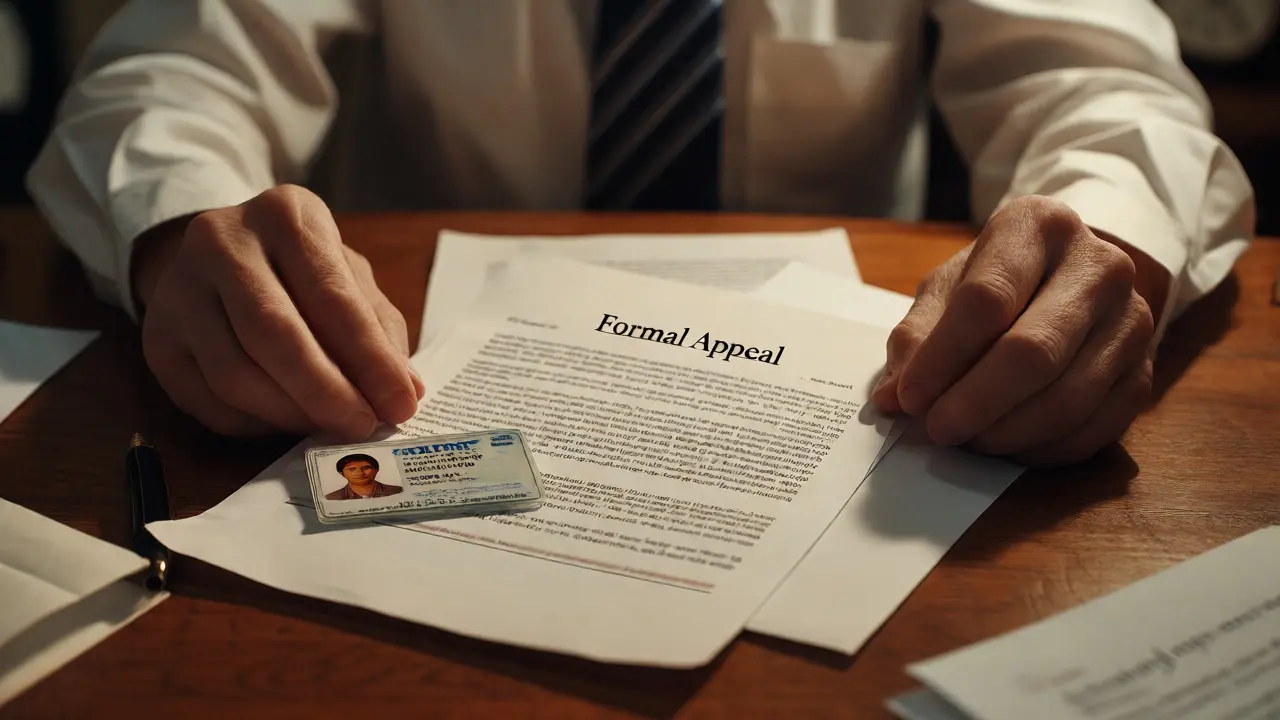
Emotional pleas rarely sway corrections officers. They respond to facts, documentation, and consistency. When building your case for a visitation appeal you must provide objective data that contradicts the reason for denial or proves compliance with facility rules, focus on these types of evidence:
- Identification Documents: If you were denied due to ID issues, attach a copy of your current driver’s license or passport. If there was a typo in their system, highlight the discrepancy.
- Appointment Confirmations: Did you book online? Print the confirmation screen showing your name, the inmate’s ID number, and the scheduled time.
- Dress Code Compliance: Take photos of what you wore if possible, or keep receipts. If the rule says "no denim," and you wore black slacks, prove it.
- Prior Visit History: Have you visited this person before without issue? List dates of previous successful visits. Consistency suggests the denial was an anomaly, not a pattern of behavior.
Avoid attaching medical records or personal letters unless directly relevant to a disability accommodation request. Keep the packet lean and focused on the specific rule cited during the denial.
Writing the Appeal Letter: Structure Matters
Corrections staff read hundreds of these. Make yours easy to scan. Use a standard business format. Here is a template structure that works well:
- Header: Your Name, Address, Phone Number, Date.
- Subject Line: Formal Appeal of Denied Visit - [Visitor Name] - [Inmate Name/ID].
- Opening: State clearly: "I am appealing the decision to deny my visit on [Date] at [Facility Name]."
- The Facts: Briefly describe what happened. "At 9:00 AM, I presented my ID. Officer Smith stated my visit was denied due to [Reason]."
- The Argument: Explain why the denial was incorrect. "My ID was valid. My clothing complied with Policy 402-B. Previous visits on Jan 12 and Feb 4 were approved."
- The Request: Be specific. "I request that the denial be reversed and that I be granted a make-up visit within the next 30 days."
- Closing: Thank them for their review. Sign and date.
Keep it under two pages. Attach copies of your evidence, never originals. Send it via certified mail with return receipt requested so you have proof they received it.
Navigating the Escalation Process
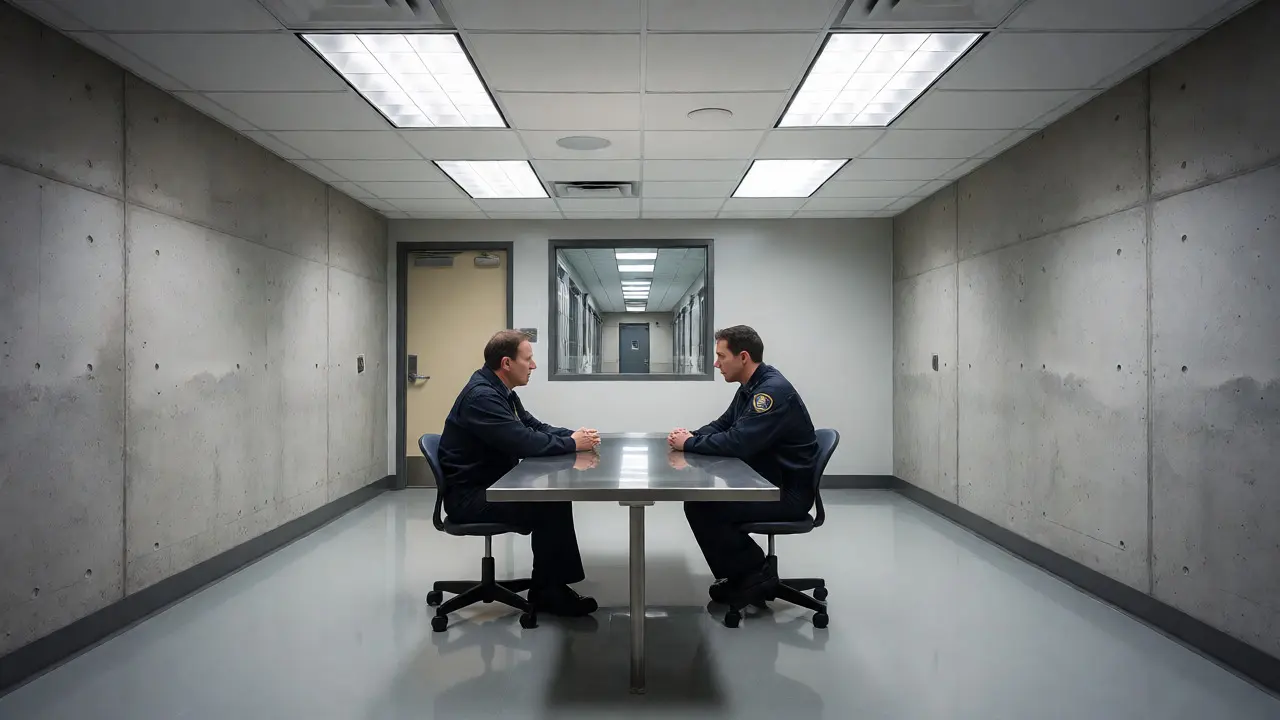
If the Warden or Visitation Coordinator denies your first appeal, don’t give up. Most systems have a second level of review. In the Federal BOP, this goes to the Regional Director. In many state systems, it goes to the Central Office or an independent hearing officer.
For the second-level appeal, address the specific reasons given in the first denial. If they said "security risk," ask for clarification. What specific risk? Is it based on a database flag? Can that flag be removed?
Consider requesting a meeting. Sometimes, sitting down with the visitation coordinator clears up misunderstandings faster than paper. Bring your advocate-a family member, attorney, or chaplain-if the facility allows it. Their presence adds weight to your request.
If all internal avenues fail, your options narrow. You might contact a legal aid organization specializing in prisoners' rights. While courts generally defer to prison administrators on security matters, they will intervene if your constitutional rights (like freedom of association) were violated arbitrarily. Note that suing is expensive and slow; use it only for repeated, unjustified denials.
Pro Tips for Future Visits
Prevention beats cure. Once you resolve this dispute, take steps to avoid future headaches.
- Verify Lists Monthly: Approved visitor lists can expire or change. Check the facility’s website or call ahead before traveling.
- Dress Conservatively: When in doubt, wear plain, neutral-colored clothes. Avoid logos, military-style camouflage, and bright neon colors.
- Arrive Early: Processing lines can be unpredictable. Arriving 60 minutes early gives you buffer time for unexpected security checks.
- Build Relationships: Be polite to the guards. They aren’t your friends, but they control the gate. A respectful interaction can sometimes lead to leniency on minor infractions.
Remember, the goal isn’t to fight the system every time. It’s to establish yourself as a compliant, predictable visitor who respects the facility’s rules. That reputation pays dividends when you need flexibility later.
Can I appeal a denial made verbally by a guard?
Yes, but it is harder. Verbal denials leave no paper trail. Immediately after the incident, ask the guard for their name and badge number. Write down the exact time and location. Then, file a written grievance stating that a verbal denial occurred and request a written explanation. Without documentation, your word competes against theirs, so witness statements from other visitors help.
What if the inmate refuses the visit?
If the inmate declines to see you, it is usually not subject to appeal in the same way. Inmates have the right to refuse visits. However, if you suspect coercion or if the inmate claims they didn't know about the visit, you can report this to the counselor. The administration may facilitate communication, but they cannot force the inmate to accept a visit.
Does a criminal record affect my ability to visit?
It depends on the facility and the nature of the offense. Many prisons prohibit visitors with certain violent felony convictions or those currently on parole/probation with travel restrictions. Always disclose your background during the application process. Hiding it can lead to permanent bans, whereas disclosure might result in conditional approval.
How long does the appeal process take?
Expect 30 to 90 days for a full resolution. Initial reviews happen within weeks, but escalation levels add time. Plan your travel around this uncertainty. Do not book non-refundable flights until you receive written confirmation that your appeal was successful and a new visit slot is reserved.
Can I bring a lawyer to the appeal hearing?
Policies vary. Some facilities allow attorneys to attend hearings, while others limit attendance to the visitor and perhaps one support person. Check the specific grievance procedure. Even if a lawyer isn't present, having one draft your appeal letter strengthens your case significantly.