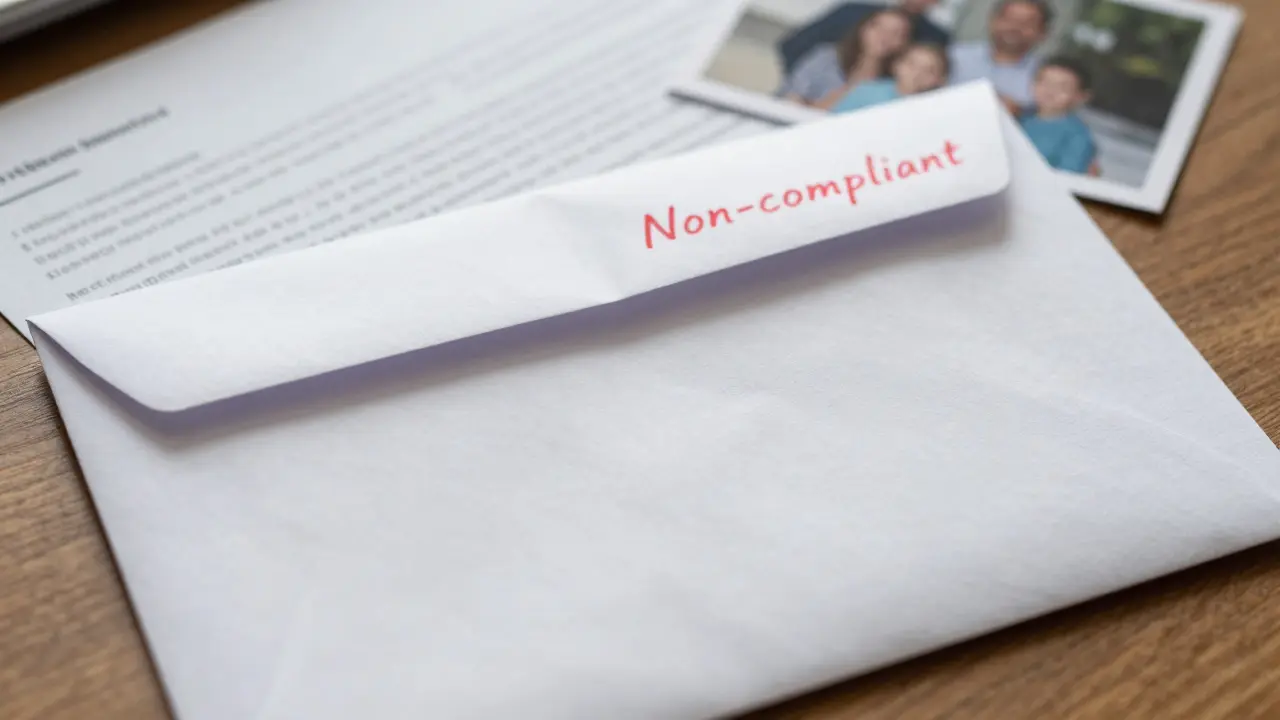
Imagine sending a birthday card to your son in federal custody. You include a photo of the family dog, a small chocolate bar, and a handwritten note. Three days later, the entire package is rejected. No letter. No warning. Just a slip saying "Non-compliant." This happens more often than you think. Understanding mail screening isn't just about following rules; it's about keeping lines of communication open when they matter most.
In both state and federal systems, mail is one of the few remaining bridges between the inside and the outside world. But that bridge is heavily guarded. Correctional officers treat every envelope as a potential security risk. The goal isn't necessarily to punish the sender, but to prevent anything that could disrupt order, hide evidence, or introduce dangerous items into the facility. If you're visiting, writing, or sending care packages, knowing the specific policies of the institution holding your loved one is non-negotiable.
The Difference Between State and Federal Standards
While many people assume all prisons operate under the same rulebook, the reality is split between two distinct legal frameworks. Federal facilities fall under the jurisdiction of the Bureau of Prisons (BOP), which sets uniform national standards. State prisons, however, are governed by individual Department of Corrections (DOC) agencies. This means the rules can vary significantly from Oregon to Texas to New York.
Federal policy tends to be stricter and more consistent. For example, the BOP generally prohibits glossy photographs unless they are approved for religious use. In contrast, some state systems allow standard photos if they don't contain nudity or political symbols. When dealing with federal inmates, you are navigating a single, rigid set of guidelines. With state inmates, you might need to check the specific facility's handbook, as local warden directives can add extra layers of restriction on top of state law.
| Feature | Federal (BOP) | State (Varies by DOC) |
|---|---|---|
| Glossy Photos | Generally Prohibited | Often Allowed (with restrictions) |
| Stamps/Postage | Must be affixed correctly | Must be affixed correctly |
| Food Items | Rarely allowed (Commissary only) | Sometimes allowed (if sealed/nutrition label) |
| Books | Hardcover usually banned | Paperback preferred, hardcover case-by-case |
| Screening Depth | X-ray + Manual inspection | Manual inspection primary |
What Actually Gets Screened?
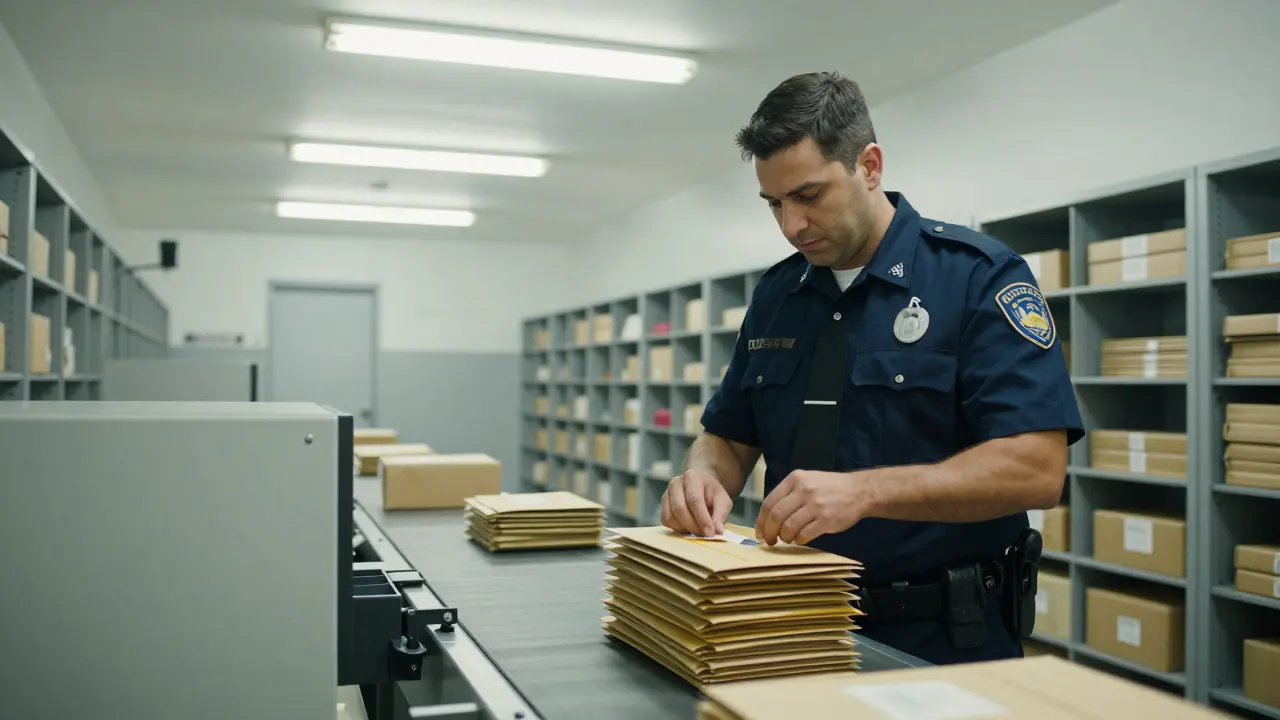
When mail arrives at a prison, it doesn't go straight to the inmate's cell. It hits the mailroom first. Here, staff perform a visual inspection. They look for hidden compartments, strange odors, and unauthorized materials. If the envelope looks suspicious, it gets opened. If it looks normal, it might pass through an X-ray machine. This step is crucial because modern contraband is clever. A thin layer of drug residue on a book page won't show up visually, but it might trigger a chemical detector or alert a K-9 unit if the facility uses them for mail checks.
The screening process serves three main purposes:
- Security: Preventing weapons, drugs, or electronic devices from entering.
- Sanitation: Keeping out spoiled food or pests.
- Discipline: Ensuring correspondence follows institutional rules to maintain order.
If an item is flagged, it becomes "contraband." The definition of contraband extends far beyond illegal drugs. It includes anything not explicitly permitted by the facility's current policy manual. This ambiguity is where most senders get tripped up. An item that was fine last year might be banned this year due to a new incident or policy update.
The Most Common Contraband Offenders
Not all contraband is malicious. Often, it's just well-meaning family members sending things that seem harmless. Here are the top items that consistently get rejected or confiscated:
- Glue and Tape: Any adhesive material is almost always banned. Even a small strip of tape on a photo can cause rejection.
- Electronic Devices: Phones, USB drives, earbuds, and even calculators are major risks. Batteries are also restricted because they can start fires.
- Loose Paper: Single sheets of paper are often rejected because they can be used to write notes that aren't part of official correspondence or to hide micro-doses.
- Perfume and Cosmetics: Flammable liquids are a fire hazard. While some states allow basic toiletries, federal prisons rarely do via mail.
- Unlabeled Food: If it doesn't have a clear nutrition label and expiration date, it's likely to be tossed. Spoiled food attracts insects, which is a nightmare for facility sanitation teams.
It’s worth noting that "contraband" isn't just what you send. It also includes what comes back. If an inmate writes a letter containing coded messages or references to ongoing investigations, the mailroom staff may flag it for review before it reaches you. This is less common for family mail but happens frequently with attorney-client correspondence.
How to Send Mail That Passes Inspection
You don't need to be a lawyer to navigate these rules, but you do need to be precise. Here is a practical checklist to ensure your mail survives the screening process:
- Check the Specific Facility Page: Don't rely on general advice. Go to the specific prison's website. Look for the "Inmate Services" or "Correspondence" section. Download their latest mail guide if available.
- Use Standard Envelopes: Avoid padded envelopes, plastic windows, or decorative stationery. Plain white or brown manila envelopes are safest.
- Label Everything: If sending books, make sure they are paperback. If sending photos, print them matte, not glossy. Write the inmate's name, ID number, and full address clearly on the front.
- Avoid Hidden Compartments: Keep it simple. One letter, one photo, one stamp. Complexity invites suspicion.
- Keep Copies: Always keep a photocopy of everything you send. If it goes missing, you'll have proof of what was mailed.
For care packages, consider using certified mail. It gives you a tracking number and proof of delivery. If the package is rejected, the return slip will tell you exactly why. Without certification, a lost package is just a guess.
The Role of the Commissary
If mail feels like a minefield, the commissary is the safe harbor. Every prison has a commissary store where inmates buy goods with money from their trust accounts. These stores sell snacks, toiletries, stationery, and sometimes clothing. Because these items are purchased through an official channel, they bypass the strictest parts of mail screening.
However, the commissary isn't unlimited. Prices are marked up compared to retail, and stock varies. Popular items like brand-name coffee or specific snacks can sell out quickly. Sending money to the inmate's account allows them to pick exactly what they want from the shelf, reducing the risk of rejection. It’s often the most efficient way to support someone inside without worrying about glue bans or photo restrictions.
Think of the commissary as the default option. Use mail for personal connection (letters, photos, cards). Use the commissary for physical needs (soap, snacks, batteries for radios if allowed). This division of labor keeps your relationship stress-free.
What Happens When Mail Is Rejected?
Rejection isn't permanent, but it is annoying. When mail is rejected, it is usually returned to the sender with a notice explaining the violation. Sometimes, the item is simply discarded if it's considered low-value or hazardous. For example, a broken pen might just be thrown away rather than shipped back.
If you disagree with the rejection, you have the right to appeal. This process involves writing a formal complaint to the warden or the regional office. It takes time, but it works if the rejection was based on a misinterpretation of the rules. Keep your tone professional. Cite the specific rule you believe was violated. Attach copies of your original mailing.
Most rejections happen because the sender didn't read the current rules. Policies change. A new warden might tighten enforcement. A recent incident might lead to a temporary ban on certain items. Staying informed is your best defense against frustration.
FAQ
Can I send food to an inmate in a federal prison?
Generally, no. The Bureau of Prisons rarely allows food items via mail due to sanitation and spoilage risks. The best alternative is sending money to the inmate's trust account so they can buy food from the commissary.
Why are glossy photos banned in federal prisons?
Glossy photos can be difficult to inspect for hidden messages or contraband tucked behind the image. They are also harder to destroy if deemed inappropriate. Matte photos are easier to handle and screen.
Do state prisons allow hardcover books?
It depends on the state. Many state departments prefer paperback books because hardcovers can be used as tools or weapons. However, some states allow hardcovers if the spine is intact and the book is in good condition. Always check the specific facility's guidelines.
How long does mail take to arrive in prison?
Standard mail typically takes 7 to 14 business days to reach the inmate after being posted. This includes transit time, processing at the mailroom, and distribution within the facility. Certified mail may take slightly longer due to signature requirements.
Is it okay to send stamps with my letter?
Yes, but only if they are properly affixed to the envelope. Loose stamps sent in the body of the letter are often considered contraband or clutter. Ensure the postage covers the weight of the entire package.