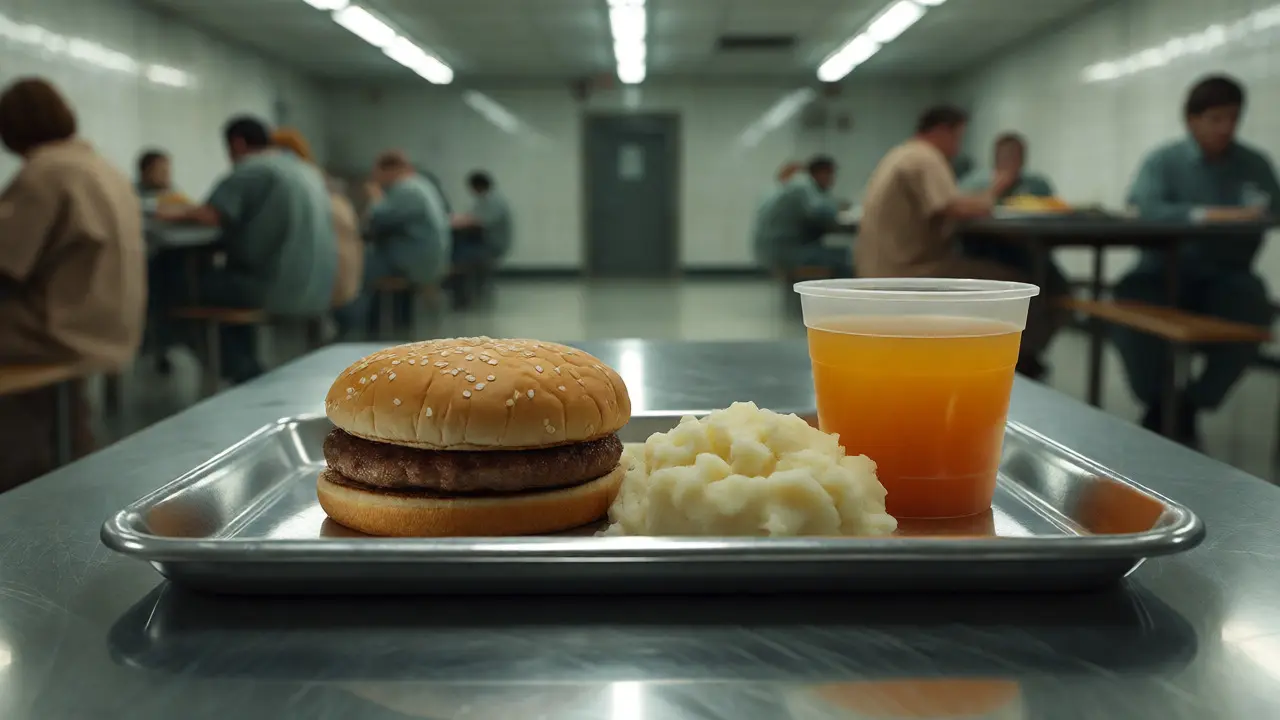
Imagine trying to manage type 2 diabetes when the only option on the tray is a high-carb bunless burger and sugary punch. For millions of people living in correctional facilities across the United States, this isn't a hypothetical scenario-it's daily life. The intersection of Correctional Nutrition and public health is messy, underfunded, and often misunderstood. But it doesn't have to be. When we look at how prisons handle food, we aren't just talking about calories; we're talking about legal mandates, human rights, and the basic biology of keeping people alive and functional.
If you've ever wondered why some inmates get special meals while others don't, or what actually counts as a valid medical reason for a dietary change, you're asking the right questions. This guide breaks down how special diets work behind bars, who decides what goes on the plate, and where the system frequently fails. We'll look at the practical steps for getting a medical exemption approved and the compliance hurdles that make it so difficult.
The Reality of Prison Food Service
First, let's clear up a common myth: prison food isn't designed to be delicious. It's designed to be cheap, safe, and legally compliant with minimum nutritional standards. In most state and federal systems, menus are planned by registered dietitians but executed by correctional officers and contracted food service providers. The goal is cost containment. According to the Bureau of Prisons, the average cost per meal has hovered around $3-$4 for years, which forces heavy reliance on bulk commodities like wheat, corn, and soy.
This budget constraint creates a baseline diet that is often high in sodium and refined carbohydrates. For a healthy person, this might mean feeling sluggish. For someone with hypertension or kidney disease, it can be dangerous. This is where Therapeutic Diets come into play. These are not "luxury" options; they are medical necessities prescribed to manage chronic conditions. However, accessing them requires navigating a bureaucratic maze that varies wildly from one facility to another.
Who Decides What You Eat?
You don't get to choose your diet based on preference alone. In a correctional setting, food is a controlled substance in many ways. If you want a gluten-free diet because you think it makes you feel better, you likely won't get it. If you need it because you have Celiac disease, you have a shot-but only if you can prove it.
The decision-making hierarchy usually looks like this:
- The Prescribing Provider: A physician, nurse practitioner, or physician assistant must write an order for a specific diet. They cannot just say "healthy eating." They must specify the clinical indication (e.g., renal failure, dysphagia).
- The Registered Dietitian (RD): The RD reviews the order against the facility's capabilities. Can the kitchen produce a low-potassium meal safely? Do they have the ingredients? If the answer is no, the RD may recommend an alternative or suggest transfer to a facility with better resources.
- Food Service Management: The kitchen staff implements the changes. They track trays, ensure cross-contamination doesn't occur (crucial for allergies), and document delivery.
This chain of command means that a doctor's note is the key, but the dietitian is the gatekeeper. Many inmates struggle here because they lack access to outside specialists who can provide the detailed documentation required for approval.

Common Medical Exemptions and Their Criteria
Not all dietary needs are treated equally. Some are universally recognized as critical medical issues, while others are viewed through a lens of skepticism or administrative burden. Here is a breakdown of the most common categories and what it takes to get them approved.
| Diet Type | Medical Indication | Typical Approval Difficulty | Key Compliance Challenge |
|---|---|---|---|
| Diabetic (Carb-Controlled) | Type 1 or Type 2 Diabetes | Moderate | Consistency in carb counting across shifts |
| Renal (Low Potassium/Sodium) | Kidney Disease/Failure | High | Sourcing fresh produce vs. canned goods |
| Celiac (Gluten-Free) | Celiac Disease | High | Avoiding cross-contamination in bulk cooking |
| Cardiac (Low Sodium) | Hypertension/Heart Failure | Low-Moderate | Taste acceptance leading to waste |
| Allergy-Specific | Anaphylactic Allergies | Low (if documented) | Labeling errors in mass production |
Notice the pattern? The more restrictive the diet, the harder it is to implement. A low-sodium diet is relatively easy to scale because you just remove salt shakers and use low-sodium ingredients. A strict gluten-free diet requires separate preparation areas to avoid cross-contact with wheat flour dust, which many older prison kitchens simply don't have.
The Religious Diet Loophole
Here is where things get complicated. Many inmates seek dietary accommodations not for medical reasons, but for religious ones. The First Amendment protects religious exercise, including dietary practices like Halal, Kosher, or vegetarianism. However, courts have ruled that religious diets do not always override medical safety.
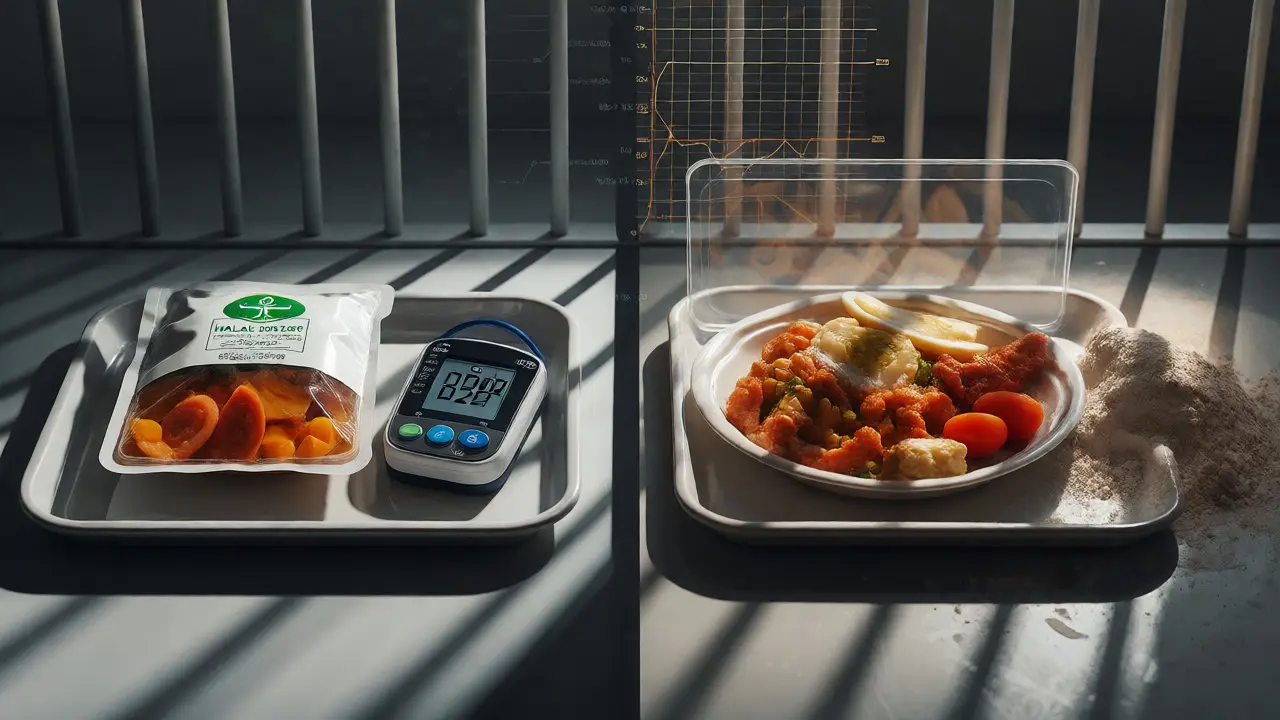
For example, if an inmate requests a vegan diet for religious reasons but has severe anemia, the facility might deny the request unless the inmate supplements their intake or accepts the health risks. Conversely, if a diabetic inmate requests a Halal diet, the facility must provide Halal meat, but it still needs to be prepared in a way that manages blood sugar levels. This dual requirement-religious compliance plus medical safety-is a major source of litigation.
In 2026, with rising awareness of religious freedom cases following recent Supreme Court precedents, facilities are being forced to be more flexible. But flexibility costs money. Providing individualized Halal or Kosher meals often means buying pre-packaged, certified meals, which can cost three times as much as the standard tray. Budget cuts often hit these line items first.
Compliance Pitfalls and How to Avoid Them
Getting a diet approved is half the battle. Keeping it is the other half. Compliance failures happen in three main ways:
- Documentation Gaps: Medical orders expire. If your doctor doesn't renew the order every 6-12 months, the system automatically reverts you to the regular diet. Many inmates miss this step because they don't realize the paperwork has an expiration date.
- Kitchen Errors: Staff turnover in prison food services is high. New hires might grab the wrong tray. If you are on a renal diet and receive a high-potassium banana, you have a choice: eat it and risk hyperkalemia, or refuse it and go hungry. Most inmates eat it out of necessity.
- Recreation Yard Conflicts: Many inmates buy snacks from the commissary. If you are on a strict cardiac diet but spend your recreation funds on salty chips and soda, the medical benefit of the prison meal is nullified. Facilities rarely monitor commissary purchases against medical diets, creating a disconnect between clinical advice and actual consumption.
To stay compliant, you need to be proactive. Keep copies of all medical orders. Check your tray before eating. And critically, talk to the dietitian during rounds if available. Building a relationship with the healthcare staff can help you navigate these pitfalls.
The Future of Correctional Nutrition
We are seeing a shift toward evidence-based corrections. Studies show that poor nutrition correlates with higher rates of recidivism, aggression, and chronic illness post-release. Programs like the National Institute of Justice’s research into prison health are pushing for better data collection. More facilities are adopting electronic health records that flag dietary restrictions automatically, reducing human error.
There is also a growing movement for plant-forward menus. Plant-based proteins are cheaper than meat and align with both health goals and environmental sustainability. While this isn't a direct solution for acute medical diets, it improves the baseline quality of the general population's food, potentially reducing the number of people who develop diet-related illnesses in the first place.
Can I bring my own food into a correctional facility?
Generally, no. Security protocols prohibit outside food due to contraband concerns. Exceptions are rare and usually limited to infant formula for nursing mothers or specific medical supplements purchased through the facility's pharmacy, not brought in from home.
What happens if the kitchen serves me the wrong diet?
You should immediately notify a correctional officer or medical staff member. Document the incident if possible. Repeated errors can be grounds for a grievance. In severe allergy cases, serving the wrong food can lead to emergency medical intervention and potential liability for the facility.
Do vegetarians get better treatment than meat-eaters?
Not necessarily. Vegetarian diets are often easier to accommodate logistically because they rely on staple ingredients like beans, rice, and vegetables that are already in the supply chain. However, without a medical or religious justification, vegetarianism may not be honored in all jurisdictions, particularly if it conflicts with security or cost policies.
How long does it take to get a medical diet approved?
It varies by facility, but typically ranges from two weeks to two months. The process involves a medical appointment, a review by a dietitian, and then implementation by the food service team. Delays often occur due to staffing shortages or waiting for lab results to confirm diagnoses.
Are organic foods available in prisons?
Rarely. Organic certification adds significant cost, which contradicts the budget constraints of most correctional systems. Standard USDA commodity foods are used instead. Some newer facilities might offer local sourcing initiatives, but true organic options remain uncommon outside of private, high-end detention centers.