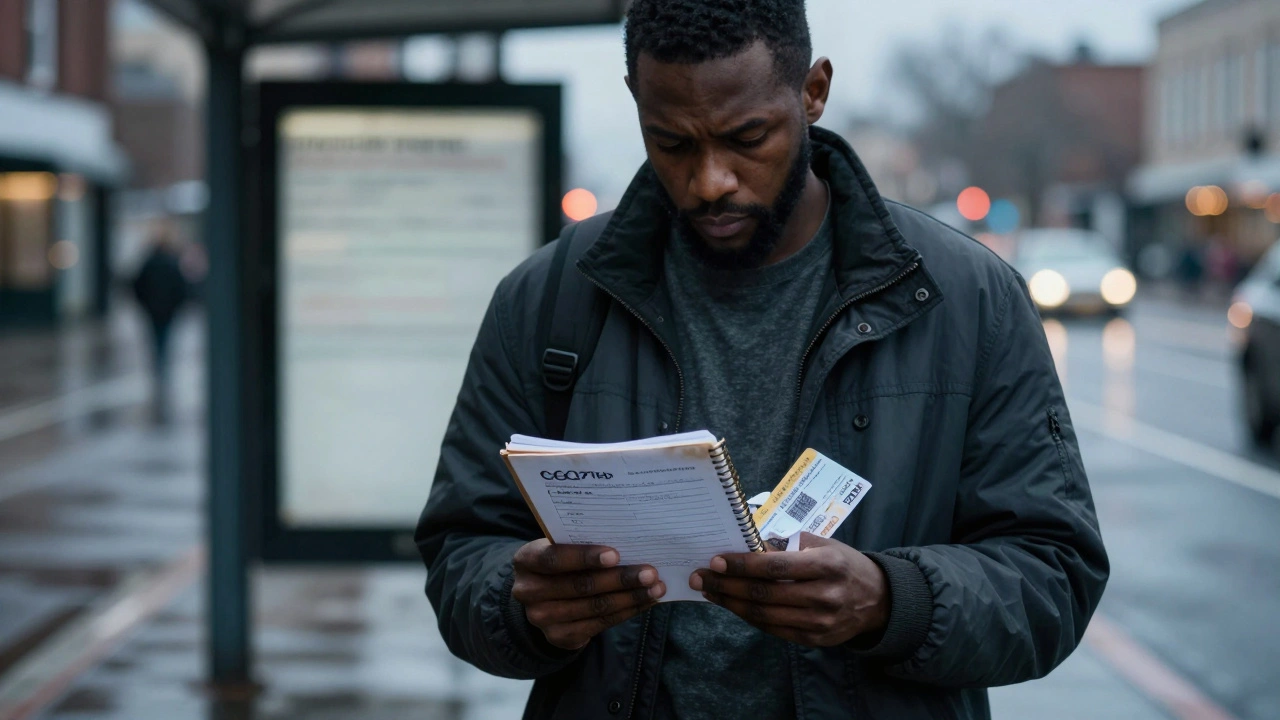
When someone walks out of prison, the hardest part isn’t the gate-it’s what comes after. The first 90 days after release are the most dangerous. That’s when the risk of going back is highest. Without support, old habits, old thoughts, and old triggers come rushing back. That’s where cognitive behavioral tools make all the difference.
Why the First 90 Days Matter
Think of it like this: when you’re released, your brain is still wired for survival mode. You’ve spent months or years in a system where every decision was about avoiding conflict, getting food, or staying safe. Now you’re out, and suddenly you’re expected to handle rent, job interviews, family tension, and social pressure-all without the structure you had inside. It’s overwhelming. And when stress hits, the brain defaults to what it knows: anger, avoidance, lying, or stealing. Research shows that about 40% of people released from prison are rearrested within a year. But for those who get consistent cognitive behavioral support in those first three months, that number drops to around 30%. That’s not just a statistic-it’s 10 out of every 100 people who don’t end up back in prison.What Cognitive Behavioral Tools Actually Do
Cognitive Behavioral Therapy, or CBT, isn’t about talking through feelings. It’s about rewiring how you think before you act. It gives you a pause button. Instead of reacting to a job rejection or a friend asking for money, you learn to ask: What’s really going on here? Is my reaction based on facts, or fear? Here’s what real CBT tools look like in practice during reentry:- Impulse control training: You learn to recognize physical signs of anger-tight chest, clenched jaw-and use a simple 3-step technique: breathe, name the feeling, choose your response.
- Problem-solving frameworks: Instead of thinking, “I can’t get a job because I have a record,” you break it down: “What jobs don’t require background checks? Who can I talk to for help? What’s my next step?”
- Changing criminal thinking: Many people internalize beliefs like, “The system is rigged, so I have to look out for myself.” CBT helps you question that. Not by saying you’re wrong, but by asking, “Has that belief kept you free? Has it helped you keep your family?”
- Emotional awareness: You learn to name emotions-not just “I’m mad,” but “I’m ashamed because I let my kid down,” or “I’m anxious because I don’t know how to pay rent.” Naming it takes away its power.
How It Works in Real Programs
California’s Department of Corrections runs a 14-week CBT program for inmates with six months left. They use role-playing, workbook exercises, and group discussions focused on anger, victim impact, and parenting. But here’s the key: they don’t stop at release. They connect people to community-based CBT providers who continue the same tools. Texas has a 120-day pre-release program called Corrective Intervention. It uses computer-based modules and classroom-style lessons to teach how thoughts lead to choices. The program doesn’t end when someone walks out-it’s designed to overlap with the first 90 days outside. That’s no accident. State officials know: if you want to reduce recidivism, you have to meet people where they are-right after release. A National Institute of Justice study tracked thousands of people after prison. The group that got the most intensive CBT-daily sessions, consistent facilitators, real-world practice-had the lowest rearrest rates. Not because they were “better people.” Because they had tools.
What Doesn’t Work
Some programs hand out pamphlets. Others have one 45-minute session with a counselor. That’s not CBT. That’s a pep talk. CBT only works when it’s:- Repeated: You need to practice the same skills over and over, like learning to drive.
- Practical: You can’t just talk about impulse control-you need to role-play what to do when someone cuts you off in traffic.
- Consistent: If you get CBT in prison and then nothing for 30 days after release, the progress fades.
The Missing Pieces
The most effective reentry programs don’t just use CBT. They pair it with:- Housing support: Stable housing cuts recidivism by half. No CBT can fix homelessness.
- Employment access: Jobs that don’t require background checks, or help with expungement, make a huge difference.
- Financial coaching: How do you budget when you get paid $100 a week and owe $500 in court fees? CBT helps you stay calm. A financial coach helps you survive.
- Peer support: Someone who’s been through it can say, “I felt that way too. Here’s what worked.”
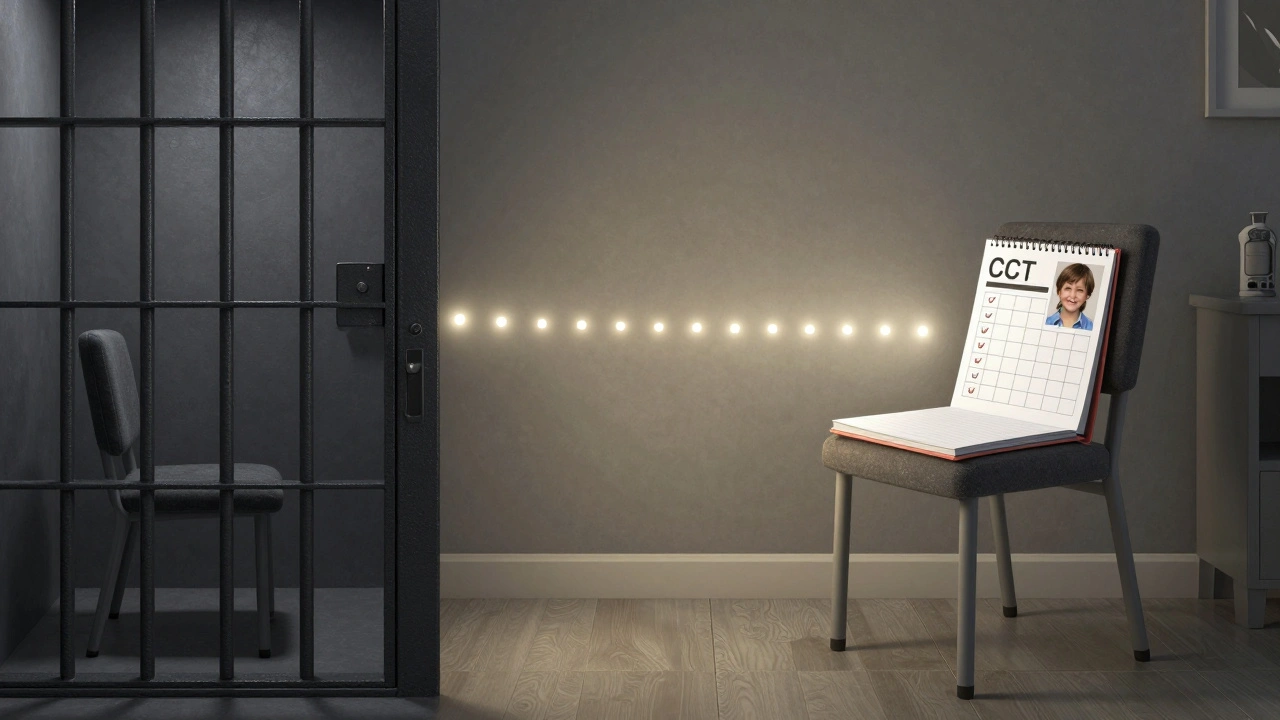
What Success Looks Like
It’s not about becoming perfect. It’s about building a new pattern. One man in Ohio got out after 12 years. He had no job, no car, and his sister wouldn’t let him stay. He started a CBT group through a nonprofit. Every Tuesday, he’d show up. They practiced how to respond when someone said, “I told you you’d mess up again.” He learned to say, “I’m not that person anymore,” and walk away. Six months later, he got a job washing dishes. He saved $300. He moved into a room in a halfway house. He called his daughter every Sunday. He didn’t get arrested again. That’s not luck. That’s CBT + housing + job support + consistent check-ins.How to Use These Tools
If you’re helping someone post-release, here’s what to do:- Start within 72 hours of release. Don’t wait. The window for impact is narrow.
- Use the same language and exercises from prison. Consistency builds trust.
- Focus on one skill at a time. Don’t overwhelm. Master impulse control before tackling moral reasoning.
- Pair CBT with real-world tasks. Practice job interviews. Role-play paying bills. Simulate dealing with a landlord.
- Track progress. Not with grades. With small wins: “I didn’t yell at my mom today,” or “I asked for help instead of lying.”
Final Thought
The goal isn’t to fix someone. It’s to give them back their power-to show them they can choose, even when everything feels stacked against them. CBT doesn’t erase the past. But in those first 90 days, it can build a future.Can cognitive behavioral therapy really reduce recidivism?
Yes. Multiple studies, including one funded by the National Institute of Justice, show that intensive CBT programs reduce rearrest rates by about 25%. For example, recidivism dropped from 40% in control groups to 30% in those who completed structured CBT. Programs like Thinking for a Change and R2R Track 1 showed the strongest results, especially when delivered with high fidelity and continued after release.
Do I need a therapist to use CBT tools after release?
Not necessarily. While trained therapists help, many effective CBT tools are delivered through structured group sessions, workbooks, or peer-led programs. The key is consistency and practice-not the title of the person leading it. Programs in Texas and California use facilitators with no clinical background and still see strong results when they follow the CBT model closely.
Is CBT only for people who committed violent crimes?
No. Research shows CBT works for all types of offenders, including those with serious criminal histories. In fact, some of the biggest improvements were seen in people who had been incarcerated longer or committed more serious offenses. The reason? CBT’s structured, self-help approach engages people who are often resistant to traditional therapy.
Why do some CBT programs fail after release?
Most fail because they’re not connected to real-world support. If someone learns impulse control in prison but has no housing, no job, and no money when they get out, they’ll fall back into old patterns. CBT helps manage stress-but it doesn’t solve poverty. Programs that combine CBT with housing, employment, and financial help are far more effective.
How long should a CBT program last for someone post-release?
The most effective programs last at least 8 to 12 weeks, with daily or weekly sessions. Texas’s 120-day pre-release program and California’s seven-month program show that longer, intensive exposure leads to better outcomes. For post-release, continuing for 90 days with consistent contact is the minimum recommended to solidify new thinking patterns.