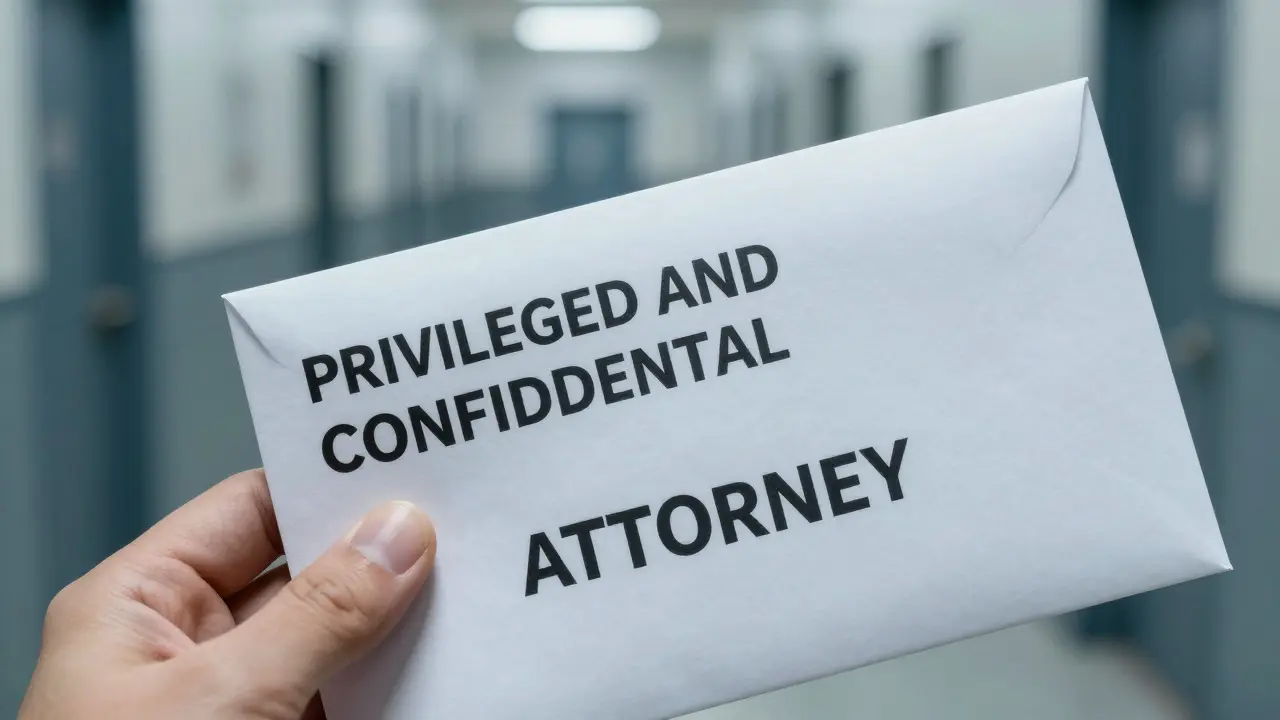
Imagine sending a letter to your lawyer about a case that could determine your freedom, only for it to sit in a pile at the mailroom for three weeks. For many people inside Federal and State Prisons is a system of correctional facilities governed by specific regulations regarding inmate correspondence and legal access, this isn't just an inconvenience; it's a violation of their right to due process. While most mail gets filtered, opened, or delayed without consequence, legal mail carries special weight under the U.S. Constitution. Understanding how to properly mark, send, and track these letters can mean the difference between a timely court filing and a missed deadline.
Why Legal Mail Gets Different Treatment
The core reason legal mail is protected stems from the First Amendment and the Due Process Clause of the Fourteenth Amendment. Courts have consistently ruled that while prison officials have broad authority to manage internal affairs, they cannot arbitrarily interfere with an inmate's communication with their attorney. This protection ensures that prisoners can effectively petition the government for redress of grievances. If a warden could simply ignore a letter from a lawyer, the entire judicial system would be compromised for those behind bars.
However, "special protection" doesn't mean immunity from all rules. It means the mail must be delivered promptly and usually unopened, unless there is a specific, documented reason to believe it contains contraband. The key distinction here is intent. A letter discussing personal life is standard mail. A letter discussing strategy, evidence, or procedural motions is legal mail. That distinction changes how the facility handles it.
Identifying What Counts as Legal Correspondence
Not every letter sent to a lawyer counts as legal mail. To trigger the highest level of protection, the correspondence should clearly relate to active litigation or legal representation. This includes:
- Court filings, motions, and briefs.
- Communication with appointed counsel (public defenders) or private attorneys.
- Letters regarding parole board hearings.
- Correspondence with legal aid organizations or law school clinics representing the inmate.
If you are writing to a friend who happens to be a lawyer, but the content is purely social, it may not qualify for strict legal mail protections. Always keep the subject matter focused on the case to avoid ambiguity.
How to Properly Mark Your Letters
This is where most mistakes happen. You need to make it impossible for the mailroom staff to mistake your letter for general correspondence. Here is the step-by-step process to ensure your mail is treated correctly:
- Use the correct address format: Include the name of the attorney, the firm name (if applicable), and the word "ATTORNEY" or "LEGAL CORRESPONDENCE" prominently on the envelope.
- Mark the front of the envelope: Write "PRIVILEGED AND CONFIDENTIAL" in large, bold letters. This signals to staff that opening the mail requires higher scrutiny.
- Include a return address: Ensure your own name and cell number are clearly visible so the mail can be routed back if necessary.
- Keep copies: Before sealing the envelope, photocopy or photograph the letter. This provides proof of what was sent and when.
Some facilities require specific forms to be attached to legal mail. Check your facility's specific rules, but the federal standard generally allows for simple marking without bureaucratic hurdles.
Differences Between Federal and State Systems
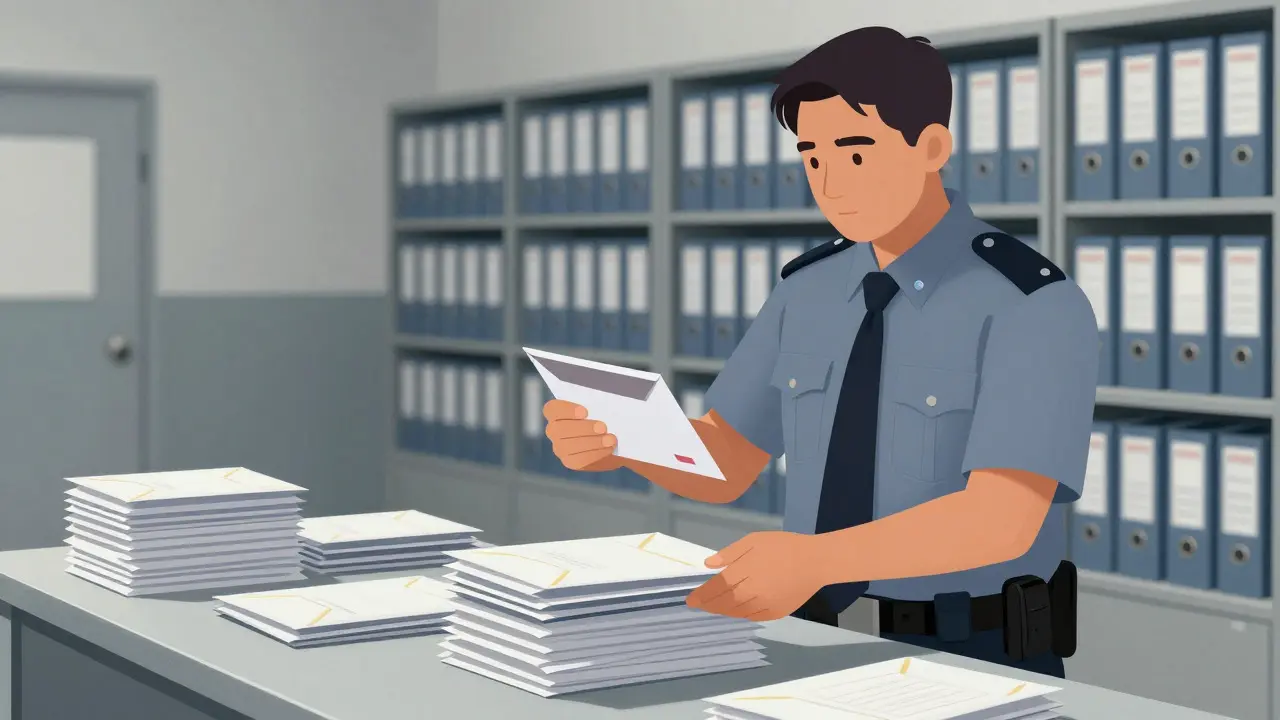
While the constitutional principles are the same, the operational details differ significantly between federal and state prisons. Federal prisons operate under the Bureau of Prisons (BOP) regulations, which are standardized across the country. State prisons, however, follow individual departmental policies that can vary wildly from one state to another.
| Feature | Federal Prisons (BOP) | State Prisons |
|---|---|---|
| Governing Body | Bureau of Prisons (BOP) | State Department of Corrections |
| Consistency | High - Uniform national standards | Variable - Depends on state policy |
| Opening Rights | Limited - Only for contraband suspicion | Varies - Some states allow broader inspection |
| Delivery Timeframe | Generally within 3-5 business days | No universal standard; can take longer |
| Appeals Process | Formal BOP Administrative Review | Varies by state grievance system |
In federal facilities, the BOP has specific directives that limit when mail can be opened. In some states, like California or Texas, local policies might allow wardens more discretion in inspecting mail, provided they document the reason. Knowing which system you are in helps you anticipate potential delays and know exactly where to file a complaint if things go wrong.
Common Pitfalls and How to Avoid Them
Even with the best intentions, inmates often face issues with legal mail. The most common pitfalls include using informal language that obscures the legal nature of the letter, failing to use the official attorney's mailing address, or assuming that "legal" status applies to any letter sent to a person with a law degree. Another frequent issue is ignoring the facility's specific mailroom hours. Sending legal mail on a Friday afternoon during a holiday weekend can add unnecessary delay.
Also, be wary of third-party couriers. While certified mail from the post office is standard, some inmates try to send packages via UPS or FedEx. These often get stuck in general delivery rather than legal processing. Stick to USPS for anything marked as legal correspondence unless your attorney specifically instructs otherwise.

What to Do When Legal Mail Is Delayed or Lost
If your legal mail doesn't arrive within a reasonable timeframe (typically 5-7 business days), don't just wait. Take action immediately. First, check with the mailroom clerk to confirm receipt. Ask for a date stamp. If the mail is missing, file a formal grievance through the prison's administrative process. In federal prisons, this is a structured multi-step review. In state prisons, it varies, but it always involves written documentation.
Simultaneously, notify your attorney. They can send a follow-up letter or call the facility directly. Often, a phone call from a lawyer to the warden's office resolves the issue faster than any internal grievance. Keep a log of every interaction, including dates, names of staff spoken to, and outcomes. This paper trail becomes crucial if you need to prove that the delay affected your case outcome.
Frequently Asked Questions
Can prison guards open my legal mail?
Generally, no, unless they have a specific, documented reason to suspect contraband. Under federal regulations and most state laws, legal mail is considered privileged. Opening it without cause can lead to suppression of evidence or disciplinary action against the officer. However, they may inspect the outside of the envelope to verify it is indeed legal correspondence.
Does legal mail protection apply to letters from family members who are lawyers?
Only if the letter is strictly related to your legal case. If your brother is a lawyer but you are writing to him about your health or personal life, it is treated as general mail. To ensure protection, the content must pertain to your litigation, and the envelope should be marked accordingly.
How long does legal mail typically take to deliver?
In federal prisons, the standard is usually 3 to 5 business days. In state prisons, it can vary from 3 days to two weeks depending on the facility's workload and staffing levels. If it takes longer than 7 business days, it is advisable to inquire with the mailroom.
What if I don't have a lawyer yet? Can I send legal mail to a public defender?
Yes. Once you are assigned a public defender or court-appointed counsel, correspondence with them qualifies as legal mail. Even before assignment, letters to the Public Defender's Office regarding your case should be marked as legal correspondence to ensure priority handling.
Do electronic messages count as legal mail?
Most traditional legal mail protections apply to physical paper correspondence. Electronic communications, such as emails or video calls, are governed by different rules and technology access policies. While they are also protected by privilege, they do not follow the same "mailroom" processing steps as physical letters.