Tag: prison rehabilitation

Explore essential metrics for evaluating prison rehabilitation, moving beyond recidivism to risk assessment, program integrity, and desistance.
Read More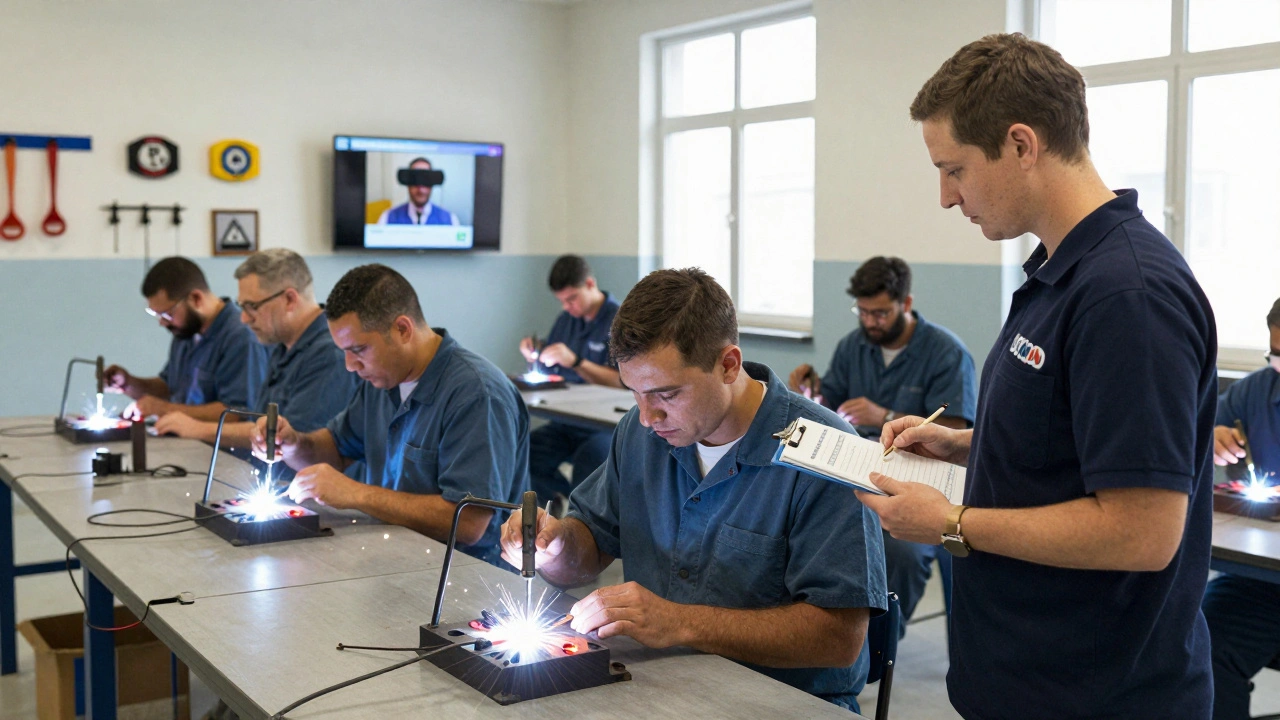
Combining vocational training with substance abuse recovery in prisons cuts recidivism by giving inmates real job skills and the support to stay sober. Programs in Nevada and Michigan show this approach works better than either alone.
Read More
Matching rehabilitation program dosage and intensity to offender risk levels cuts recidivism dramatically. High-risk offenders need 200+ hours of frequent, long-term treatment-low-risk need far less. One-size-fits-all programs fail.
Read More
Trauma-informed rehabilitation design in jails and prisons transforms correctional environments from punitive spaces into healing ones. By focusing on safety, choice, and staff training, it reduces re-traumatization, lowers recidivism, and improves outcomes for both inmates and staff.
Read More