Tag: recidivism reduction

Explore how correctional life skills programs reduce recidivism and boost employment. Review data from major studies like Massachusetts DOC and compare program effectiveness.
Read More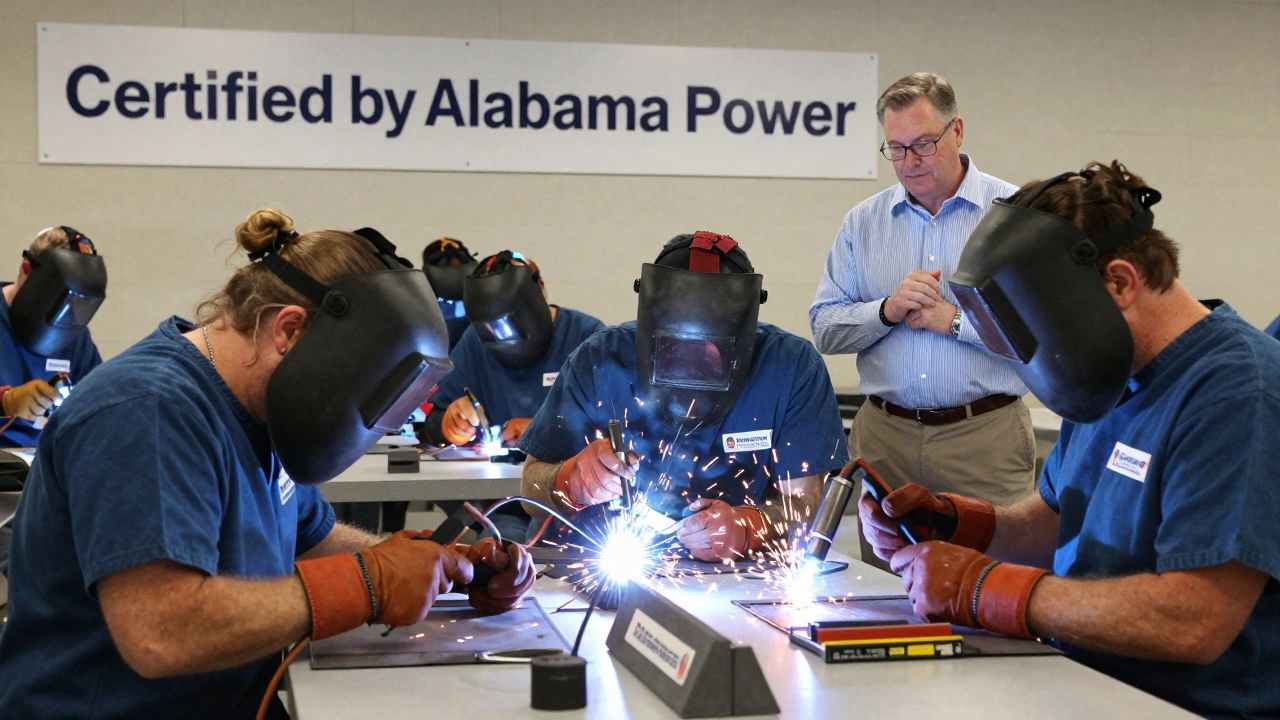
Workforce readiness coaching in prisons connects incarcerated individuals with job training, employer partnerships, and post-release support to cut recidivism and build stable careers. Proven programs in Florida, Nevada, and Alabama show real results.
Read More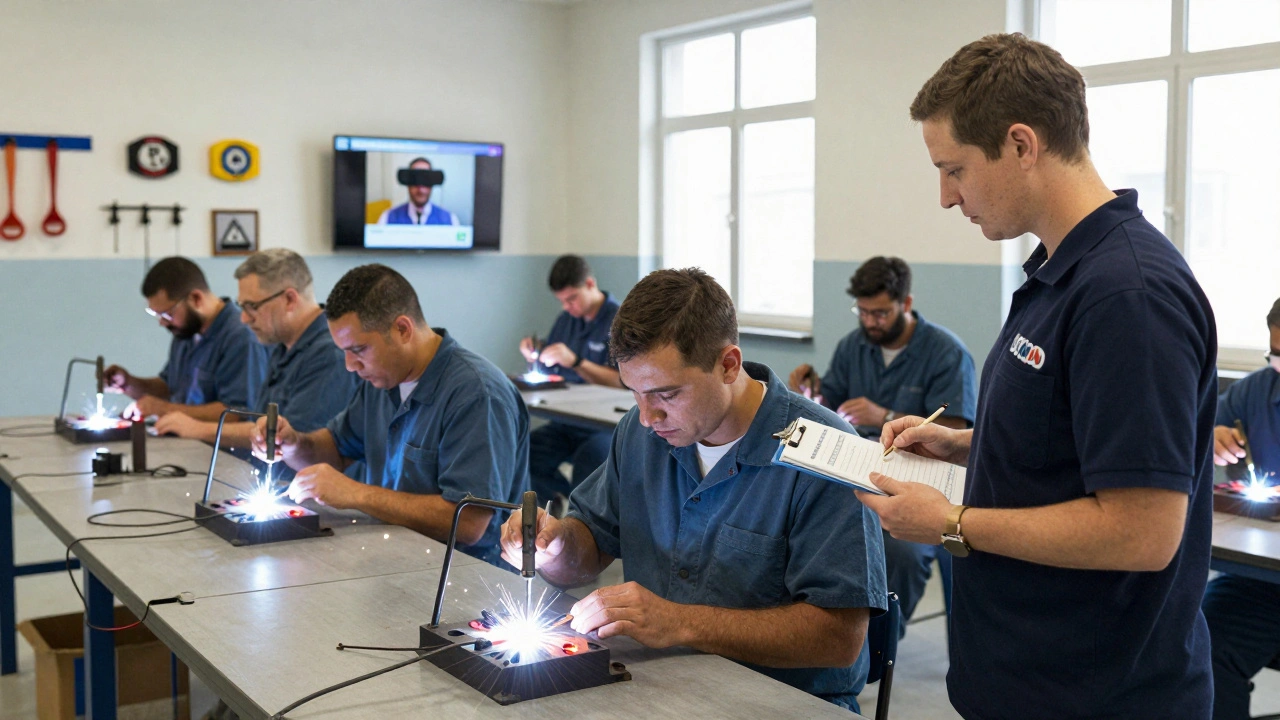
Combining vocational training with substance abuse recovery in prisons cuts recidivism by giving inmates real job skills and the support to stay sober. Programs in Nevada and Michigan show this approach works better than either alone.
Read More
Motivational Interviewing helps incarcerated individuals find their own reasons to change-not by forcing them, but by listening. Evidence shows it boosts treatment engagement, cuts recidivism, and works even with the most resistant offenders.
Read More
Integrating Cognitive Behavioral Therapy with substance use treatment in correctional settings reduces recidivism by addressing the link between distorted thinking and addiction. Evidence shows it works best when paired with post-release support and trauma-informed care.
Read More
Higher education in prison reduces recidivism by up to 43%, saves taxpayer money, and helps people rebuild their lives. Data from RAND, the Bureau of Prisons, and Second Chance Pell shows college programs work better than therapy or punishment alone.
Read More
Prison-based CBT programs use structured cognitive restructuring to reduce criminal thinking and recidivism. Learn how validated tools like the TCU scales measure thought changes, why intensity matters, and what really works behind bars.
Read More
Family engagement in substance abuse treatment for incarcerated individuals significantly reduces relapse and recidivism. Research shows that consistent, quality family contact improves mental health, supports reentry, and strengthens recovery-when systems are designed to make it possible.
Read More
Matching rehabilitation program dosage and intensity to offender risk levels cuts recidivism dramatically. High-risk offenders need 200+ hours of frequent, long-term treatment-low-risk need far less. One-size-fits-all programs fail.
Read More
Cognitive behavioral tools can reduce recidivism by helping formerly incarcerated individuals manage thoughts and impulses during the critical 90 days after release. Evidence shows structured CBT, paired with housing and job support, cuts rearrest rates by 25%.
Read More
Integrated rehabilitation in prisons-combining education, therapy, and work-cuts recidivism by up to 20%. Real programs show that when inmates get the right support, they don’t return to crime. This is how it works.
Read More