Tag: prison education

Academic advising and career pathways for incarcerated students have become critical after Pell Grant reinstatement in 2023. Effective programs combine flexible support, lived experience, and seamless credit transfer to help students succeed before and after release.
Read More
Educational merit credits in prison let incarcerated people earn time off their sentences by completing diplomas, degrees, and certifications. Since 2023, Pell Grants are back, making college accessible to thousands behind bars.
Read More
Stackable credentials in prison let incarcerated individuals earn recognized, transferable certifications that build toward degrees and real careers. With Pell Grants restored in 2023, programs in logistics, IT, and skilled trades are helping people build futures-not just survive sentences.
Read More
Higher education in prison reduces recidivism by up to 43%, saves taxpayer money, and helps people rebuild their lives. Data from RAND, the Bureau of Prisons, and Second Chance Pell shows college programs work better than therapy or punishment alone.
Read More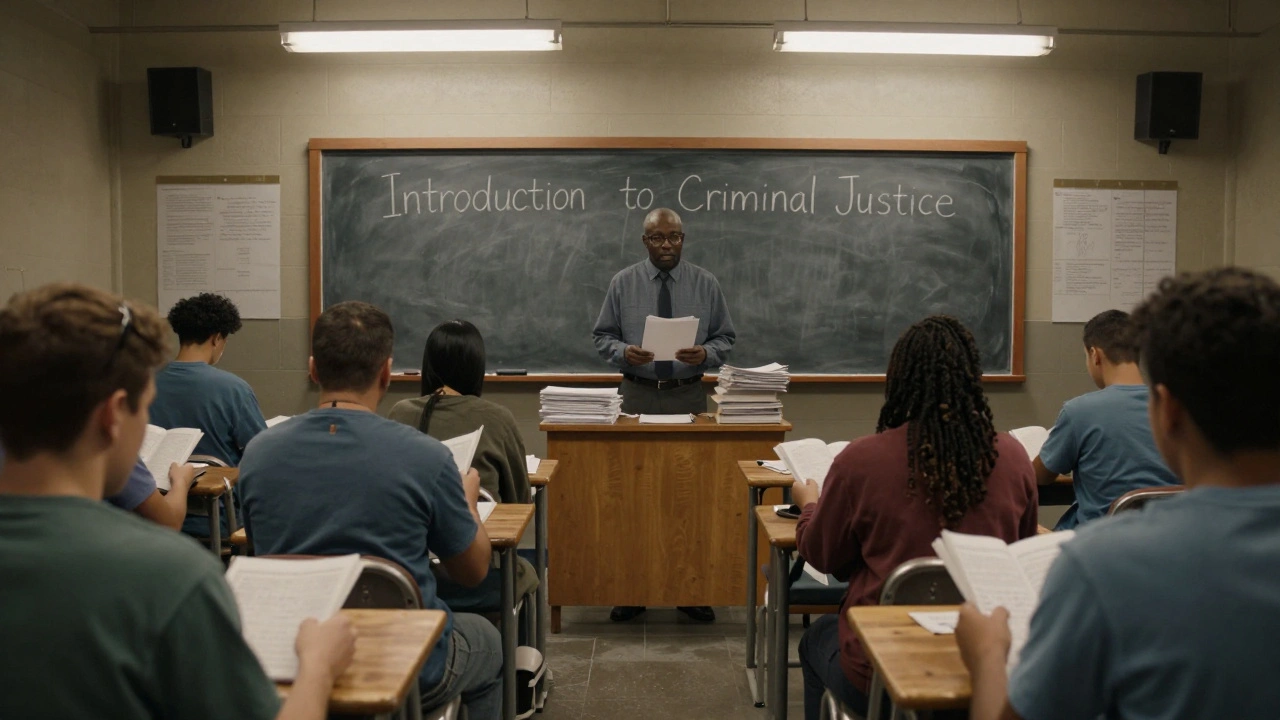
Pell Grants were restored for incarcerated people in 2023, opening college access to over 800,000 people in prison. Programs are expanding, recidivism is dropping, but gaps in support, technology, and post-release pathways still limit impact.
Read More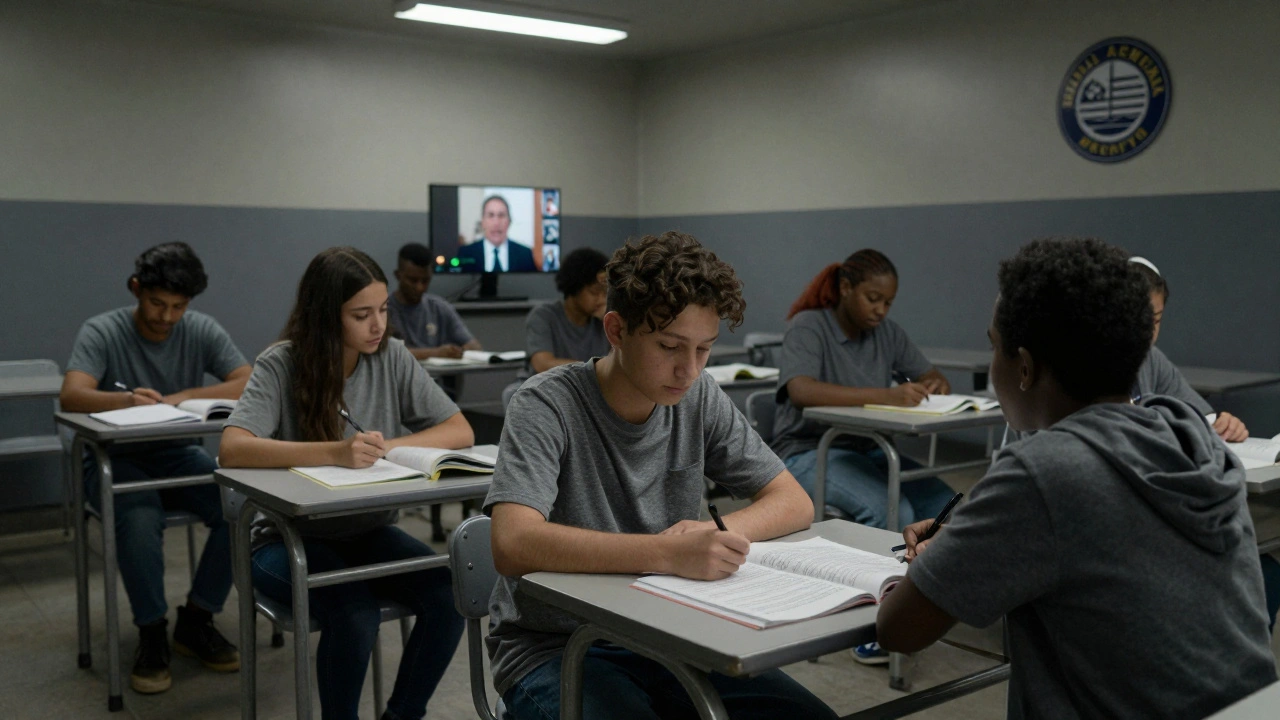
Credit-bearing courses in prisons are transforming lives by offering accredited degrees and CTE certifications. With Pell Grants restored, quality standards now ensure these programs match college rigor-boosting employment and cutting recidivism.
Read More
Integrated rehabilitation in prisons-combining education, therapy, and work-cuts recidivism by up to 20%. Real programs show that when inmates get the right support, they don’t return to crime. This is how it works.
Read More