Inmate Services - Page 2
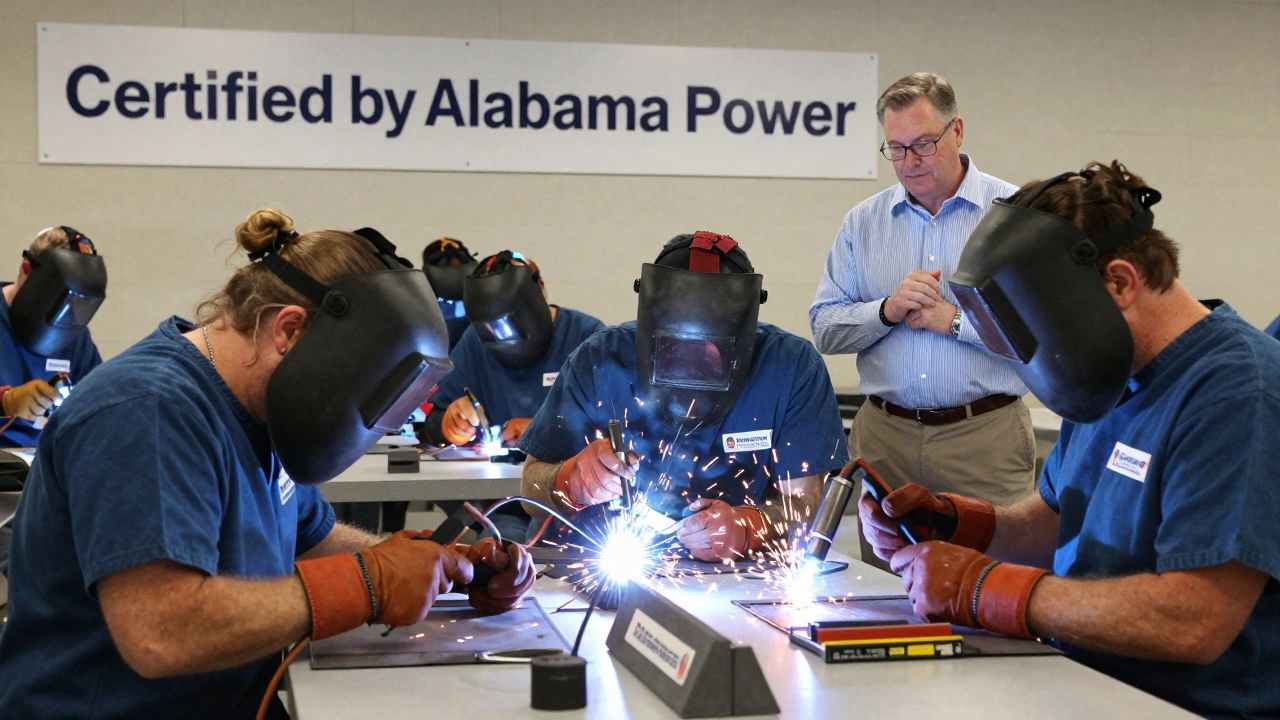
Workforce readiness coaching in prisons connects incarcerated individuals with job training, employer partnerships, and post-release support to cut recidivism and build stable careers. Proven programs in Florida, Nevada, and Alabama show real results.
Read More
Academic advising and career pathways for incarcerated students have become critical after Pell Grant reinstatement in 2023. Effective programs combine flexible support, lived experience, and seamless credit transfer to help students succeed before and after release.
Read More
Educational merit credits in prison let incarcerated people earn time off their sentences by completing diplomas, degrees, and certifications. Since 2023, Pell Grants are back, making college accessible to thousands behind bars.
Read More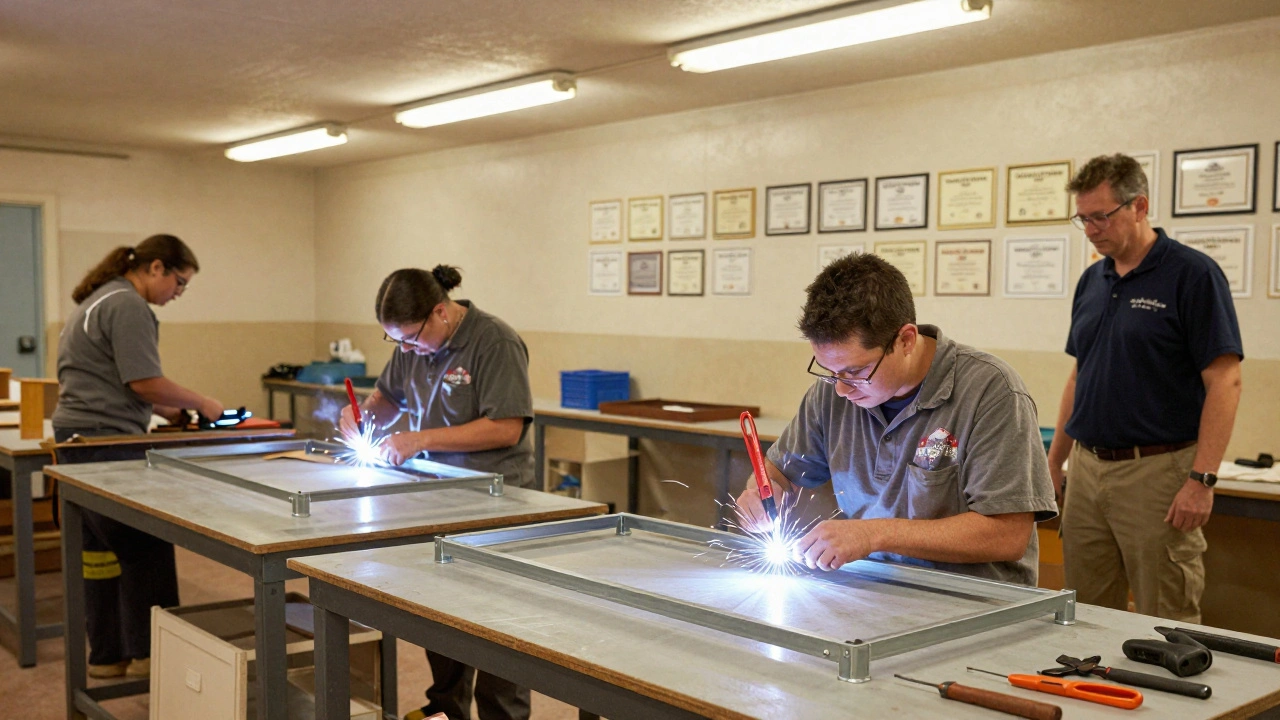
Inmate work programs provide labor to government and nonprofit agencies while helping incarcerated individuals gain skills, reduce recidivism, and rebuild their lives. These programs save money, strengthen communities, and offer real pathways out of crime.
Read More
State-specific legal aid directories connect incarcerated individuals with free legal help for appeals, prison conditions, and family law. Learn how to find and use these resources in New York, California, and beyond.
Read More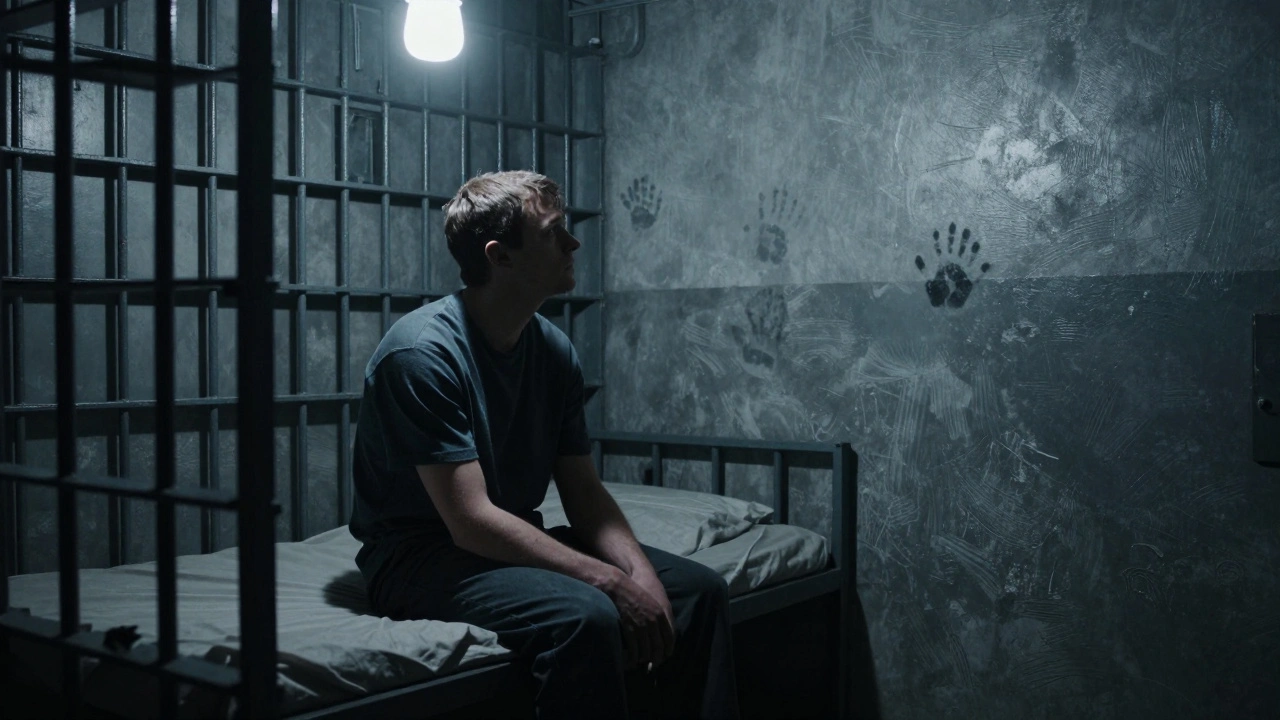
Protective custody in prisons is meant to protect vulnerable inmates, but often traps them in prolonged isolation with conditions as harsh as punishment. This article explores who ends up in protective custody, how it works, and why reform is urgently needed.
Read More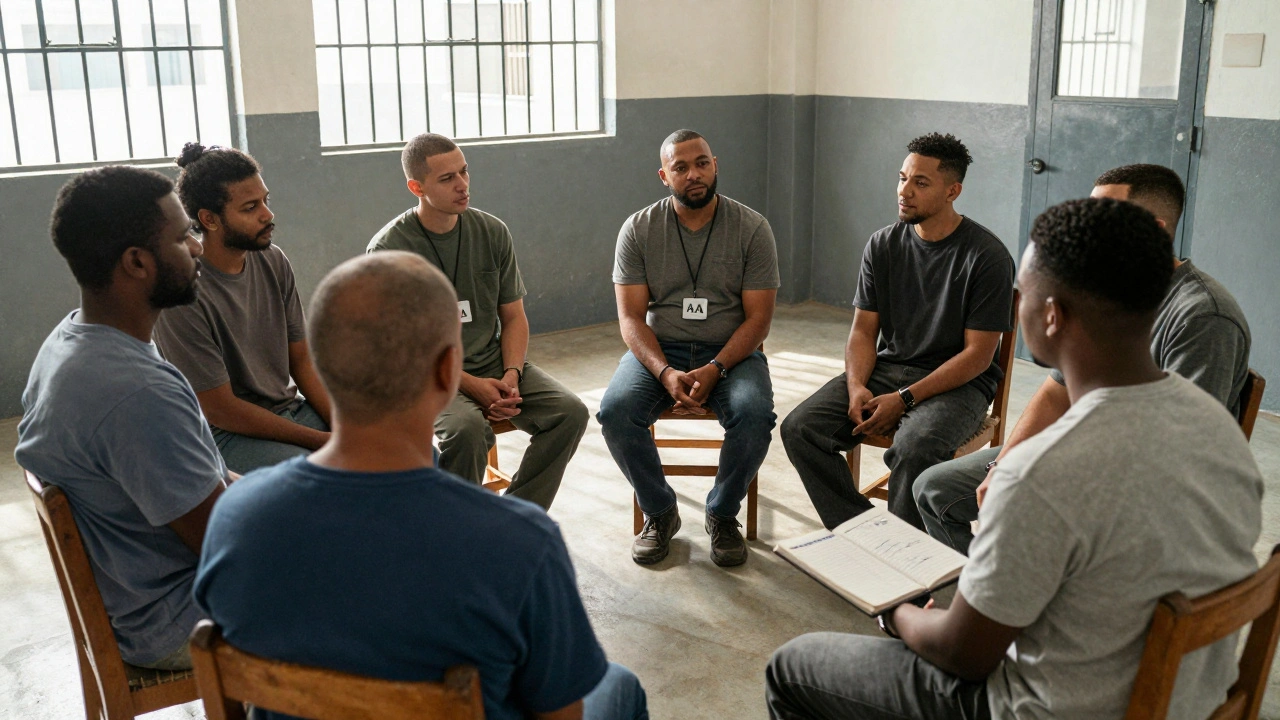
Twelve-Step Facilitation in prisons has been proven to reduce relapse and improve long-term recovery better than many clinical therapies. It’s low-cost, evidence-based, and works best when staff actively connect inmates to AA/NA meetings before release.
Read More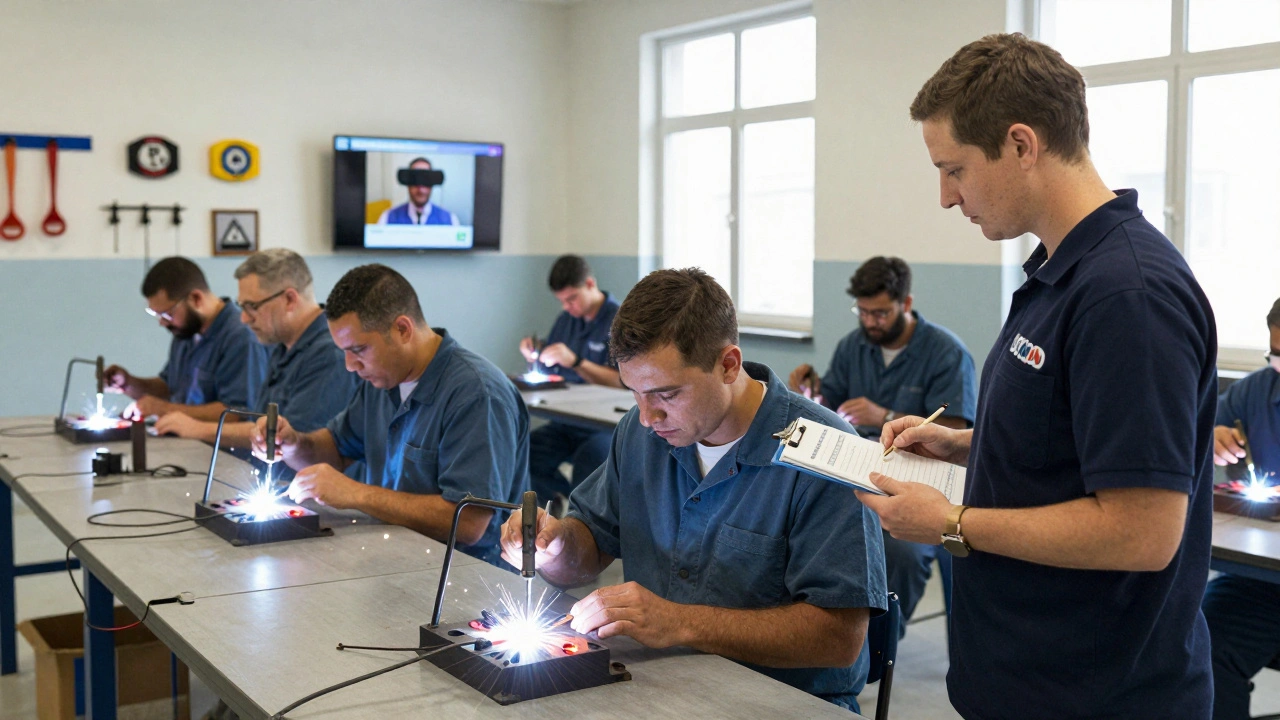
Combining vocational training with substance abuse recovery in prisons cuts recidivism by giving inmates real job skills and the support to stay sober. Programs in Nevada and Michigan show this approach works better than either alone.
Read More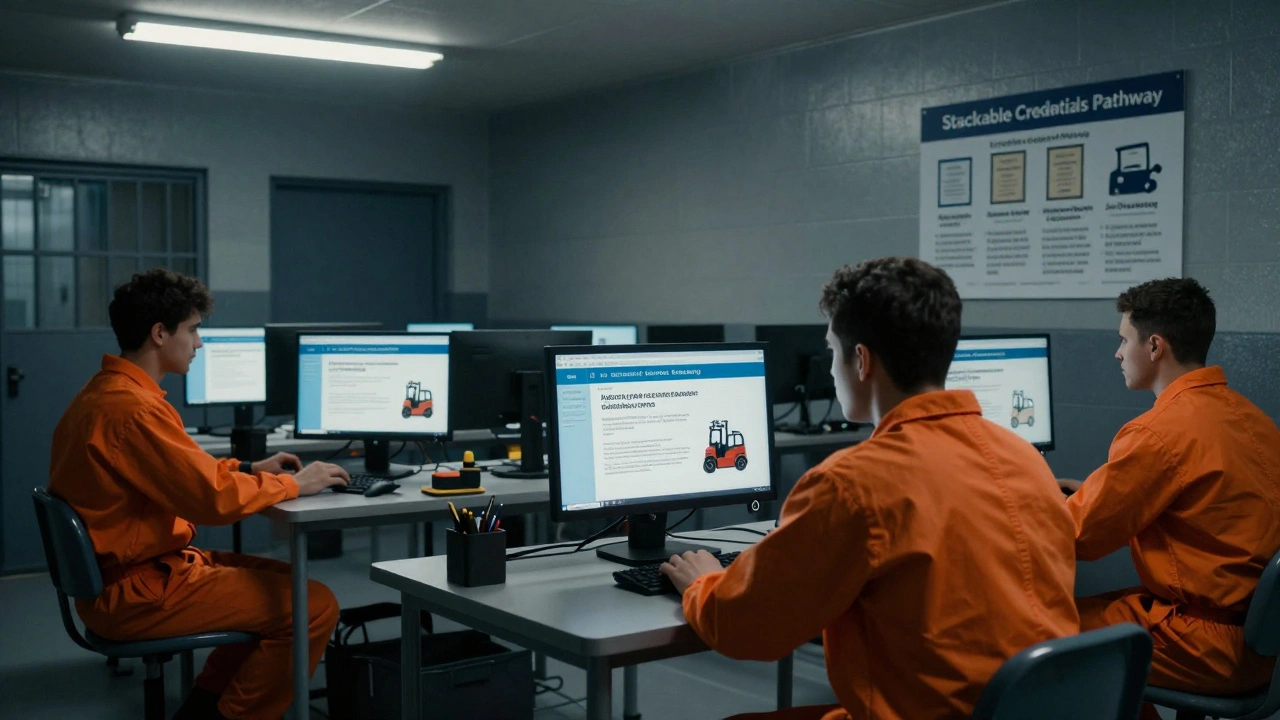
Stackable credentials in prison let incarcerated individuals earn recognized, transferable certifications that build toward degrees and real careers. With Pell Grants restored in 2023, programs in logistics, IT, and skilled trades are helping people build futures-not just survive sentences.
Read More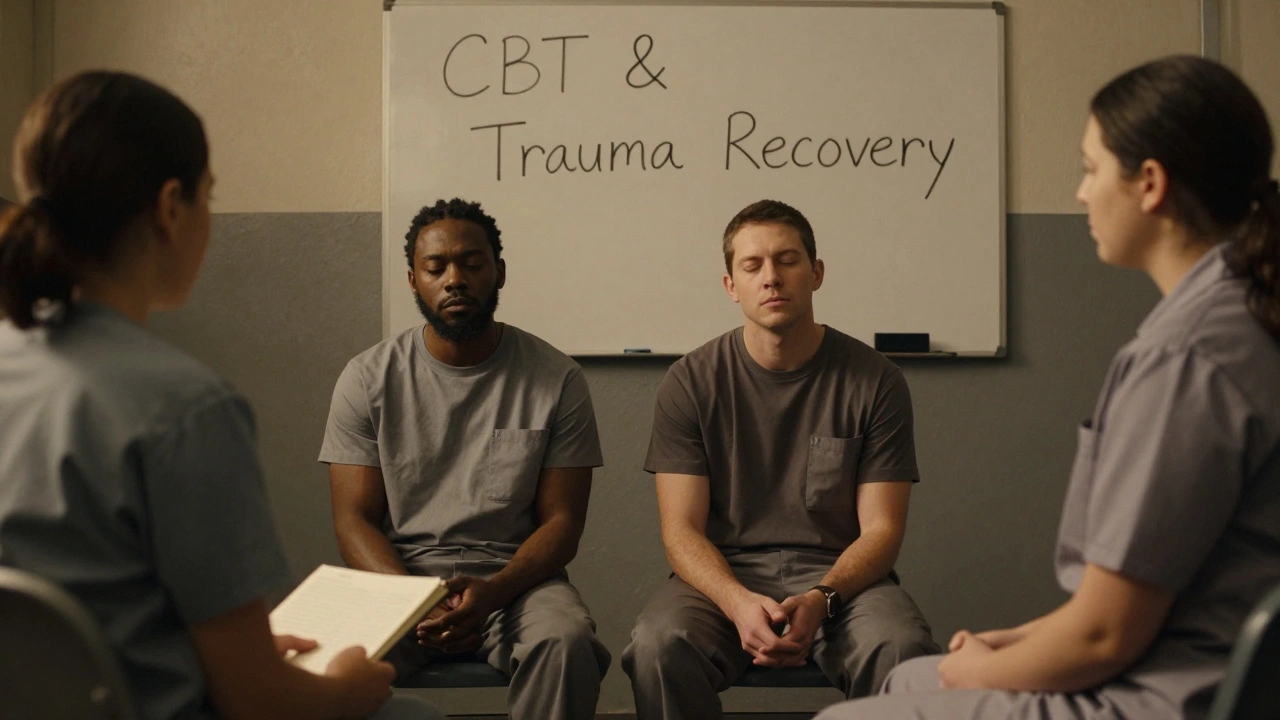
Co-occurring disorders in prison - substance abuse paired with mental illness - are widespread but rarely treated effectively. Integrated programs that address both issues together cut recidivism and save lives.
Read More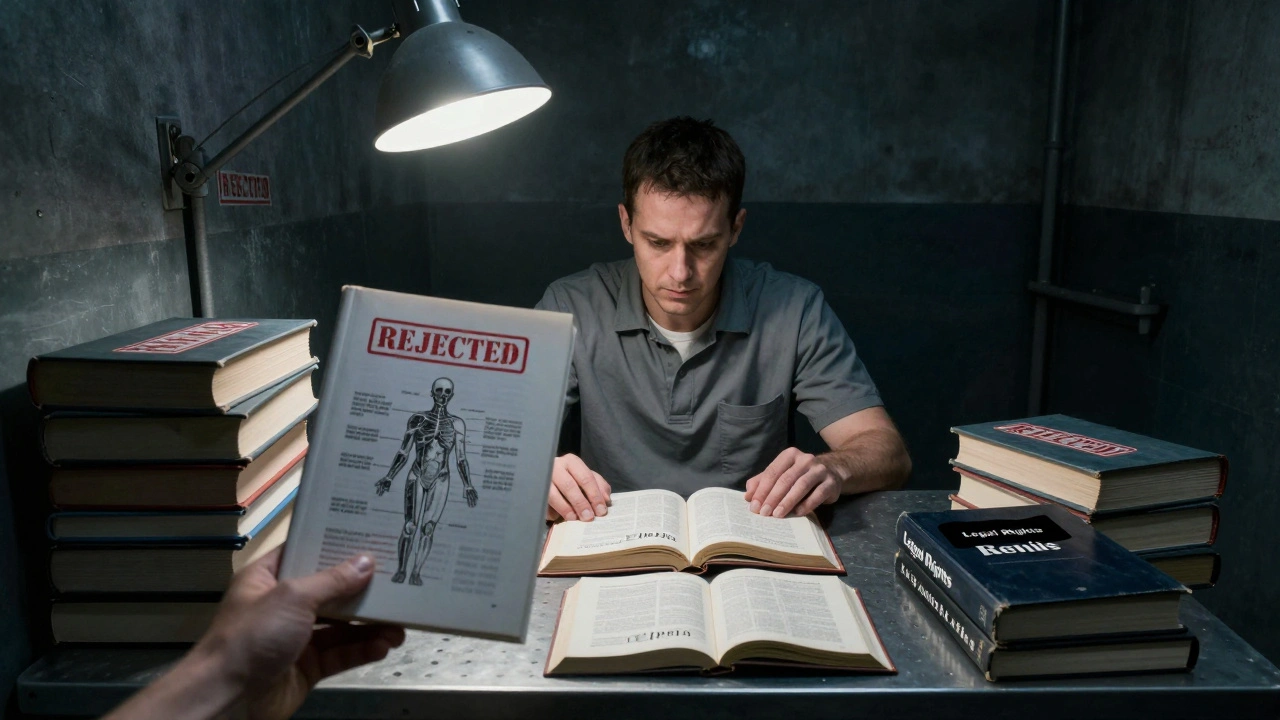
Prisons across the U.S. are banning legal books, dictionaries, and court guides under vague justifications like "sexually explicit" or "too large." This censorship undermines incarcerated people’s right to legal representation and violates constitutional protections.
Read More
Prison workshops operate under extreme security to prevent contraband, ensure product safety, and protect both inmates and staff. From tool tracking to X-ray inspections, every process is designed to stop danger before it starts.
Read More